
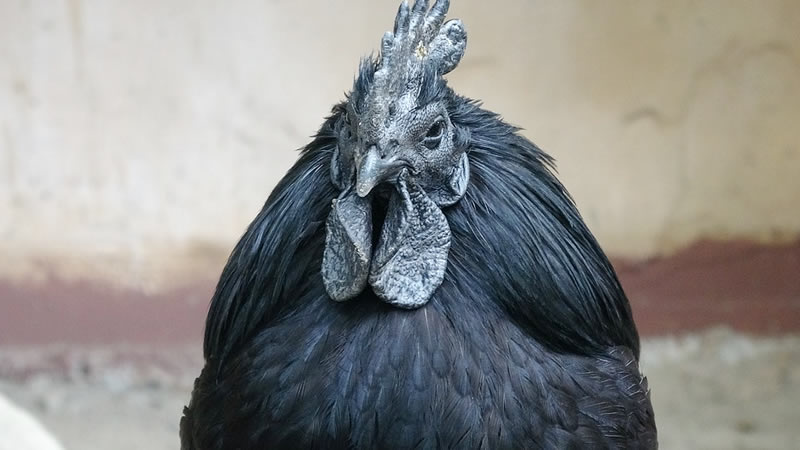
The Ayam Cemani chicken is one of the rarest and most expensive chicken breeds in the world. Known for its striking all-black appearance, this Indonesian chicken is often called the “Lamborghini of chickens.”
In this complete guide, you will learn everything about the Ayam Cemani chicken including its origin, price, appearance, temperament, egg production, meat quality, and care requirements.
Table of Contents
- What Is an Ayam Cemani Chicken?
- Origin and History of Ayam Cemani Chickens
- Why Is the Ayam Cemani Chicken So Expensive?
- Ayam Cemani Chicken Appearance
- Ayam Cemani Chicken Weight and Size
- Temperament: Are Ayam Cemani Chickens Friendly?
- Ayam Cemani Egg Production
- Ayam Cemani Meat Quality
- Feeding and Care Guide
- Health Issues and Lifespan
- How to Care for Ayam Cemani Chickens
- Pros and Cons of Ayam Cemani Chickens
- Conclusion
What Is an Ayam Cemani Chicken?
The Ayam Cemani is a rare Indonesian chicken breed known for its unique genetic condition called fibromelanosis, which causes hyperpigmentation throughout the entire body.
This results in black feathers, black skin, black muscles, and even black internal organs. The only exception is their blood, which remains red.
Origin and History of Ayam Cemani Chickens
The Ayam Cemani originates from Java, Indonesia. The name comes from “Ayam” meaning chicken and “Cemani,” meaning completely black.
Historically, this breed was considered sacred in some Indonesian cultures and was used in rituals believed to bring good fortune and protection.
The breed was introduced to Europe in the early 20th century and later gained global attention due to its rare genetic traits.
Why Is the Ayam Cemani Chicken So Expensive?
The Ayam Cemani chicken price typically ranges between $2,500 to $5,000 per bird, making it one of the most expensive poultry breeds in the world.
Main reasons for its high price:
- Extreme rarity and limited breeding stock
- Low egg production (60–100 eggs per year)
- Slow and difficult breeding process
- High demand in exotic poultry markets
Chicks alone can cost around $200 or more, depending on quality and lineage.
Ayam Cemani Chicken Appearance
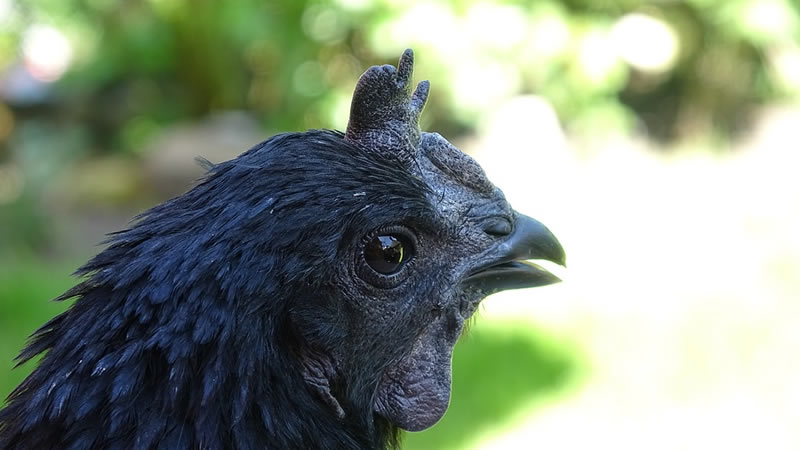
Ayam Cemani chickens are completely black in appearance, including their feathers, skin, beak, comb, wattles, and even bones.
Despite their black pigmentation, their blood remains deep red. Their feathers may show a slight metallic green or purple sheen under sunlight.
Ayam Cemani Chicken Weight and Size
- Roosters: 4.4 – 7.7 lbs (2 – 3.5 kg)
- Hens: 3.3 – 5.5 lbs (1.5 – 2.5 kg)
- Cockerels: ~4 lbs
- Pullets: ~2.5 lbs
Temperament: Are Ayam Cemani Chickens Friendly?
Despite their exotic and mysterious appearance, Ayam Cemani chickens are generally calm, alert, and moderately shy.
They are not aggressive but are less social compared to other backyard chicken breeds. They tolerate handling but are not typically lap chickens.
They do well in both free-range and confined environments but may fly over low fencing if not secured.
Ayam Cemani Egg Production
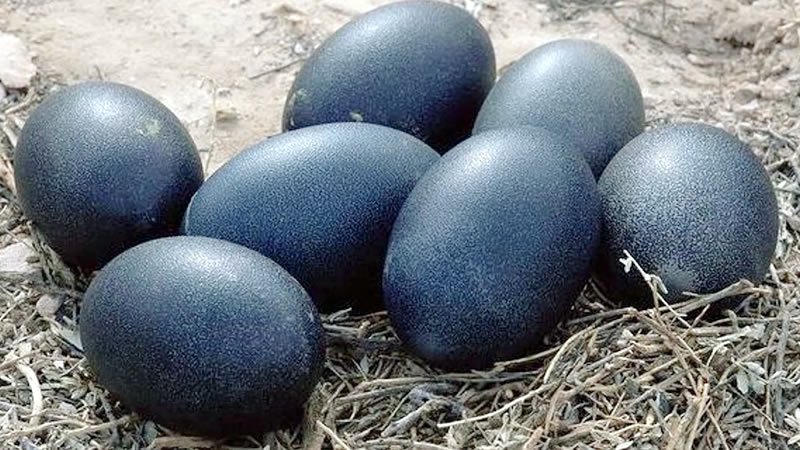
Ayam Cemani hens are poor egg layers compared to commercial breeds.
- Annual production: 60–100 eggs
- Egg color: Cream to light beige
- Egg size: Small to medium
- Laying cycle: 20–30 eggs per cycle
They also have long breaks between laying cycles, which reduces overall productivity.
Ayam Cemani Meat Quality

Ayam Cemani meat is dark-colored due to its hyperpigmentation. Despite its appearance, the taste is similar to regular chicken but slightly richer in flavor according to some consumers.
In Indonesia, it is often used in traditional dishes and cultural ceremonies. The meat is also considered a delicacy in exotic poultry markets.
Feeding and Care Guide
Ayam Cemani chickens do not require special diets. A balanced poultry feed is sufficient for healthy growth.
- Starter feed for chicks
- Grower feed for juveniles
- Layer feed for hens
- Grains, vegetables, and fruits as supplements
Fresh clean water must always be available, and overfeeding should be avoided to prevent obesity.
Health Issues and Lifespan
Ayam Cemani chickens are generally healthy and resilient. However, like all poultry, they may be affected by parasites such as mites and lice.
Their average lifespan is 6–8 years under proper care.
How to Care for Ayam Cemani Chickens
Proper care includes providing secure housing, balanced nutrition, and protection from predators.
- Well-ventilated coop
- Minimum 4 sq ft space per bird
- Secure fencing to prevent escape
- Separate breeding pens for purity
To maintain pure breeding lines, avoid crossbreeding with other chicken breeds.
Pros and Cons of Ayam Cemani Chickens
Advantages
- Extremely rare and exotic appearance
- Hardy in different climates
- Unique genetic traits
- Good for specialty poultry markets
Disadvantages
- Very expensive
- Low egg production
- Difficult to source
- Slow breeding cycle
Conclusion
The Ayam Cemani chicken is one of the most fascinating and exotic poultry breeds in the world. While it is not ideal for large-scale egg or meat production, it remains highly valuable for collectors, breeders, and exotic poultry enthusiasts.
If you are looking for a rare and visually striking chicken breed, the Ayam Cemani is truly in a class of its own.

