Blackhead disease in chickens, also referred to as histomoniasis, is a serious poultry illness that affects both chickens and turkeys. Although turkeys are more vulnerable, chickens can still carry and spread the infection within a flock. Understanding the symptoms, causes, and prevention methods of blackhead disease is essential for maintaining healthy backyard chickens and avoiding major losses.
This disease is caused by Histomonas meleagridis, a protozoan parasite that spreads through the eggs of cecal worms (Heterakis gallinarum). These eggs can survive in soil for years, making blackhead disease particularly difficult to control once it is present in your environment.
Table of Contents
What Causes Blackhead Disease in Chickens?
Blackhead disease develops when chickens ingest infective cecal worm eggs carrying the parasite. These eggs are often found in contaminated soil, droppings, or intermediate hosts such as earthworms. Once inside the bird, the parasite multiplies in the intestines and eventually spreads to the liver, causing severe internal damage.
Earthworms play a major role in transmission because they act as carriers of infected worm larvae. When chickens consume these worms during free-ranging, the infection cycle begins. Because the parasite can persist in soil for up to four years, infected environments remain a long-term risk.
Where Is Blackhead Disease Found?
Blackhead disease was first identified in Rhode Island in 1892 and has since spread across many regions, including parts of the United States and Europe. It is more commonly seen in warmer climates where earthworms thrive, increasing the likelihood of transmission.
While chickens may show milder symptoms compared to turkeys, they can act as carriers and introduce the disease into mixed flocks, especially when biosecurity measures are weak.
Symptoms of Blackhead Disease in Chickens
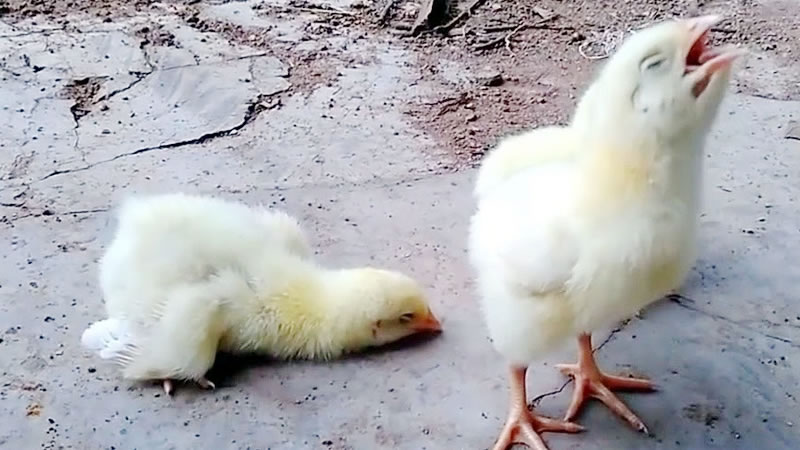
Recognizing early signs of blackhead disease can help reduce losses. Infected chickens may show the following symptoms:
- Ruffled or untidy feathers
- Drooping wings and lowered head
- Lethargy and reduced activity
- Loss of appetite and weight loss
- Yellow, mustard-like diarrhea
- Depressed or drowsy behavior
In severe cases, the disease can cause sudden death, especially if the liver becomes heavily damaged. Egg production may also decline in laying hens.
Is There a Treatment for Blackhead Disease?
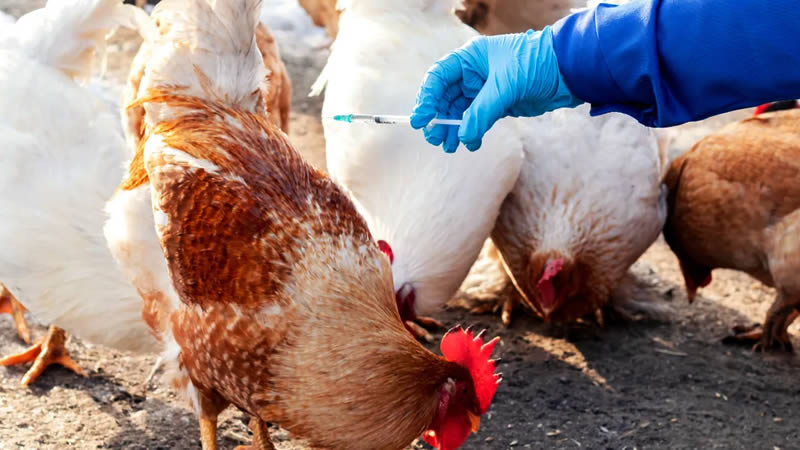
Currently, there are no approved vaccines or highly effective treatments for blackhead disease in chickens. This makes prevention the most important strategy for protecting your flock. Early detection and strict management practices are critical to limiting the spread.
How to Prevent Blackhead Disease in Chickens
Preventing blackhead disease requires a combination of good flock management, hygiene, and environmental control. Here are the most effective prevention methods:
- Avoid mixing chickens with turkeys, as turkeys are highly susceptible and can amplify the disease.
- Control access to contaminated soil by rotating grazing areas when possible.
- Limit free-ranging in high-risk areas where earthworms are abundant.
- Keep coops clean and dry to reduce parasite survival.
- Remove feces regularly to minimize contamination.
- Ensure proper drainage and sunlight exposure in outdoor runs.
- Implement strict biosecurity measures when introducing new birds.
If you must keep chickens and turkeys together, manage them carefully by separating feeding areas and reducing shared ground exposure.
Frequently Asked Questions About Blackhead Disease
Can chickens recover from blackhead disease?
Some chickens may survive mild infections, but recovery is not guaranteed. Prevention remains the most reliable approach.
How long does the parasite survive in soil?
Cecal worm eggs carrying the parasite can survive in soil for up to four years, making long-term management essential.
Is blackhead disease contagious between chickens?
Yes, it can spread indirectly through contaminated soil, droppings, and infected hosts like earthworms.
Why are turkeys more affected than chickens?
Turkeys are more sensitive to the parasite and often develop severe, fatal infections, while chickens may act as carriers with milder symptoms.
Conclusion
Blackhead disease in chickens is a persistent and potentially deadly condition that every poultry keeper should understand. Since there is no reliable treatment, prevention through proper flock management, hygiene, and biosecurity is essential. By reducing exposure to contaminated soil and separating chickens from turkeys, you can significantly lower the risk and maintain a healthy, productive flock.