Campylobacteriosis in chickens is a bacterial infection that affects both poultry and humans. This zoonotic disease spreads through contaminated food, raw poultry meat, and improper handling during slaughter or food preparation. Understanding Campylobacter in chickens is essential for backyard chicken keepers, farmers, and anyone handling poultry.
This guide explains the causes, symptoms, transmission, and prevention of Campylobacter infection in chickens and humans.
Table of Contents
What Is Campylobacteriosis?
Campylobacteriosis is caused by Campylobacter bacteria, which are spiral-shaped, gram-negative microorganisms commonly found in the intestines of healthy chickens. Despite appearing harmless in some birds, these bacteria are one of the leading causes of foodborne illness worldwide.
In many cases, chickens carry the bacteria without showing obvious symptoms, making it easy for the infection to spread unnoticed.
How Campylobacter Spreads
The transmission of Campylobacter occurs through several routes:
- Consumption of contaminated poultry meat
- Contact with infected chickens or feces
- Contaminated water or feed
- Cross-contamination during food preparation
In poultry flocks, the infection can spread rapidly when birds ingest contaminated food or water. Poor sanitation and exposure to pests increase the risk significantly.
Symptoms of Campylobacter in Chickens
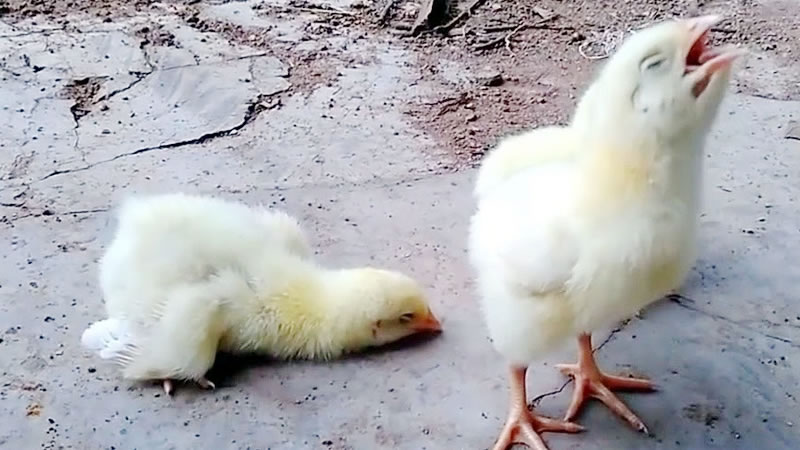
Although many chickens remain asymptomatic carriers, infected birds may show the following signs:
- Diarrhea
- Weakness or lethargy
- Loss of appetite
- Difficulty breathing
- Leg weakness or paralysis
Severe infections can lead to internal gut damage, dehydration, and in extreme cases, death.
Symptoms of Campylobacter in Humans
Humans infected with Campylobacter bacteria may experience:
- Diarrhea (sometimes severe)
- Fever
- Abdominal pain
- Nausea and dehydration
This makes Campylobacteriosis one of the most common causes of bacterial diarrhea, especially from improperly handled poultry.
Why Campylobacter Is a Serious Concern
Campylobacter bacteria can remain in a chicken’s intestinal tract for long periods. Because of this, even healthy-looking birds can contaminate their environment, increasing the risk of infection within the flock and to humans.
Outbreaks have been increasing over time, largely due to poor biosecurity, improper food handling, and increased poultry consumption.
How to Prevent Campylobacter in Chickens
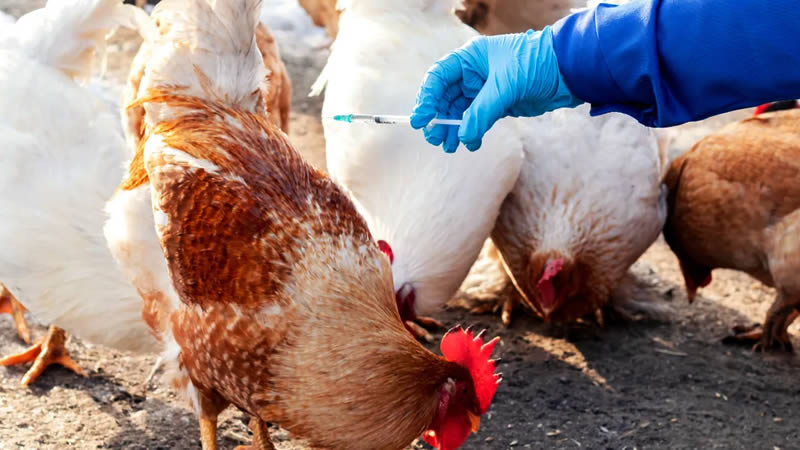
Preventing Campylobacter infection in poultry requires strict hygiene and biosecurity measures:
- Provide clean, fresh drinking water at all times
- Keep feeders and waterers sanitized
- Control rodents, wild birds, and insects
- Use protective barriers such as netting
- Maintain a clean and dry coop environment
- Disinfect equipment and housing regularly
- Add organic acids or supplements to support gut health
Reducing exposure to contaminated sources is the most effective way to protect your flock.
How to Prevent Campylobacter in Humans
To reduce the risk of Campylobacter infection in humans, follow these safety practices:
- Cook poultry thoroughly before consumption
- Avoid consuming raw or undercooked meat
- Wash hands after handling chickens or raw poultry
- Clean kitchen surfaces and utensils properly
- Dispose of contaminated meat safely
Good hygiene is essential, especially for poultry workers and backyard chicken owners.
Conclusion
Campylobacter in chickens is a common but preventable bacterial infection that poses risks to both poultry and humans. While chickens may carry the bacteria without visible symptoms, the potential for transmission remains high without proper care.
By maintaining strict hygiene, improving flock management, and following safe food handling practices, you can significantly reduce the risk of Campylobacteriosis. Awareness and prevention are key to protecting both your flock and your health.