Gallid alphaherpesvirus 1 (GaHV-1) is a highly contagious viral disease in poultry that causes avian infectious laryngotracheitis (ILT). It primarily affects chickens and spreads rapidly within flocks, leading to respiratory distress and production losses.
Although mortality rates are generally low, outbreaks can result in severe economic damage due to quarantine measures, reduced egg production, and flock-wide infection.
Table of Contents
What Is GaHV-1 (Avian Infectious Laryngotracheitis)?
GaHV-1, also known as avian herpesvirus 1, is a respiratory virus that infects the upper respiratory tract of chickens. Once infected, the virus can remain dormant in the nervous system (trigeminal ganglia), allowing lifelong carrier status and potential reactivation.
This disease is most commonly seen in chickens aged 3 to 9 months and spreads quickly in dense poultry environments.
Transmission of GaHV-1 in Chickens
The virus spreads primarily through direct and indirect contact with infected birds and contaminated materials.
- Respiratory secretions (coughing and sneezing droplets)
- Contaminated feces and litter
- Shared water and feed sources
- Infected equipment or housing
In a susceptible flock, infection can spread rapidly within 2 to 8 weeks.
Symptoms of GaHV-1 in Chickens
Clinical signs of avian infectious laryngotracheitis include:
- Severe respiratory distress
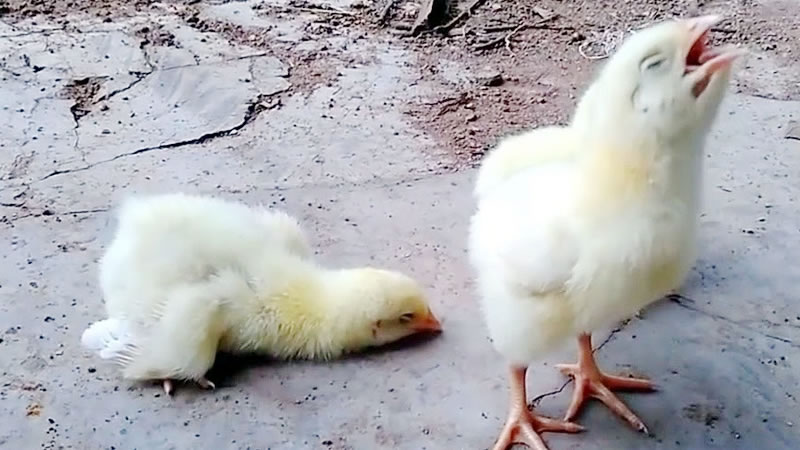
- Gasping and difficulty breathing
- Coughing and frequent sneezing
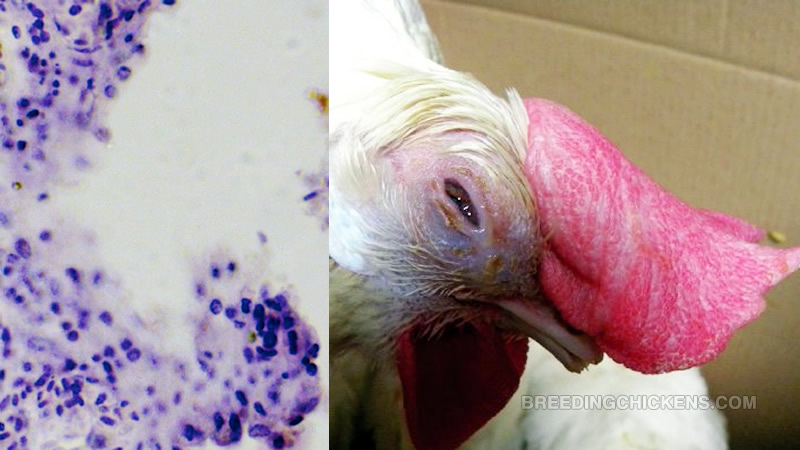
- Nasel and ocular discharge (eyes and nose)
- Swollen trachea and airway blockage
- Reduced activity and weakness
Symptoms in Laying Hens
- Decreased egg production
- Thin or abnormal eggshells
- Reduced fertility in breeding flocks
Impact of GaHV-1 on Poultry Production
Even though mortality rates are relatively low, GaHV-1 outbreaks can significantly impact poultry farms through:
- Flock quarantine and movement restrictions
- Reduced egg and meat production
- Long-term carrier state in recovered birds
- High risk of reinfection in the same flock
Treatment and Vaccination for GaHV-1
There is no definitive cure for GaHV-1 once infection occurs. However, control measures focus on vaccination and biosecurity.
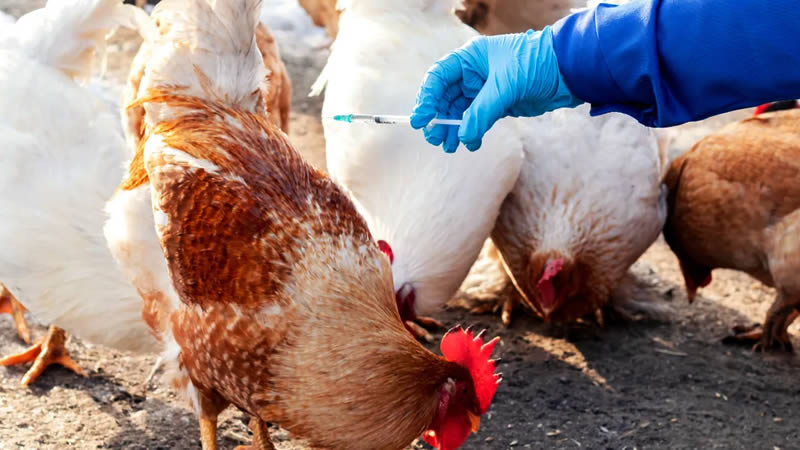
- Vaccination using approved ILT vaccines (e.g., ATCvet code QI01AD08)
- Supportive care for infected birds
- Isolation of sick chickens
- Strict flock management practices
Important: Vaccination does not guarantee full immunity, and reinfection may still occur under high exposure conditions.
How to Prevent GaHV-1 in Chickens
Prevention is critical for controlling avian infectious laryngotracheitis in poultry farms and backyard flocks.
1. Strict Biosecurity Measures
- Limit visitor access to poultry areas
- Disinfect equipment and housing regularly
2. Isolation and Quarantine
- Separate newly introduced birds
- Isolate infected chickens immediately
3. Proper Cleaning and Disinfection
- Regular coop sanitation
- Removal of contaminated litter and waste
4. Vaccination Programs
- Follow veterinarian-recommended vaccination schedules
- Monitor flock immunity levels
Conclusion
GaHV-1 (avian infectious laryngotracheitis) is a highly contagious respiratory disease in chickens that can spread rapidly within flocks. While mortality is often low, the economic and productivity losses can be significant.
Effective control depends on vaccination, strict biosecurity, early detection, and rapid isolation of infected birds.