Infectious bronchitis (IB) is one of the most contagious viral respiratory diseases affecting chickens worldwide. Caused by an avian coronavirus, this disease primarily targets the respiratory system but can also impact egg production and egg quality.
Outbreaks are more common during colder months, when chickens are more vulnerable to respiratory stress. While mortality is usually low in mild cases, severe or complicated infections can lead to losses of up to 60%.
Table of Contents
What Causes Infectious Bronchitis in Chickens?
The disease is caused by a highly transmissible avian coronavirus that spreads rapidly within flocks. It survives in respiratory secretions and contaminated environments, making control difficult without proper biosecurity measures.
How Infectious Bronchitis Spreads
Infectious bronchitis spreads through direct contact and exposure to contaminated materials. Common transmission routes include:
- Saliva and respiratory droplets
- Nasal and eye secretions
- Contaminated feces
- Equipment, clothing, and farm workers
Because of its fast transmission rate, even a single infected bird can quickly affect the entire flock.
Symptoms of Infectious Bronchitis
Both young and adult chickens can be affected. The severity depends on age, nutrition, and immune status.
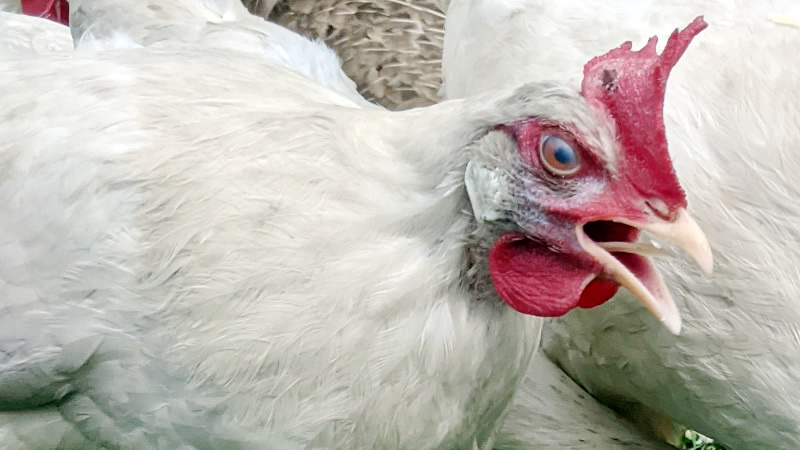
- Sneezing and coughing
- Respiratory distress and difficulty breathing
- Swollen sinuses
- Lethargy and reduced activity
- Decreased appetite
Effects on Egg Production and Egg Quality
Infectious bronchitis can significantly impact laying hens. Egg production may drop by as much as 70% during infection.
In addition to reduced output, egg quality may decline, including:
- Thin or soft eggshells
- Misshapen or wrinkled eggs
- Pale or uneven shell texture
Recovery of egg production may take up to 8 weeks. In severe cases, permanent damage to the oviduct can result in long-term or complete loss of laying ability.
Prevention and Control of Infectious Bronchitis
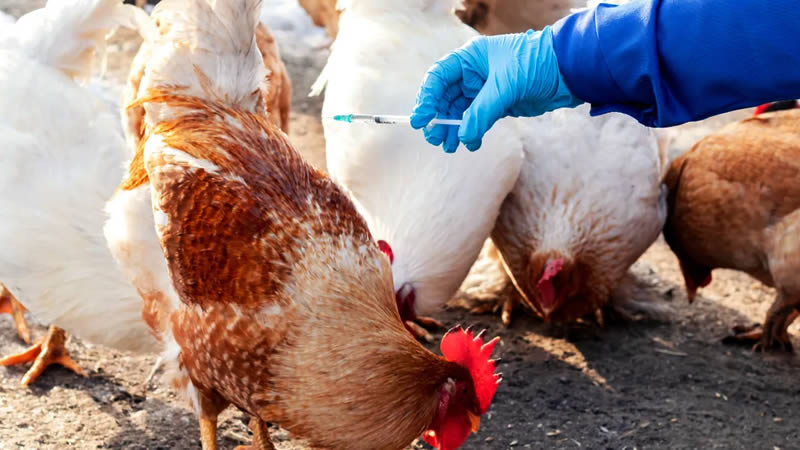
There is currently no specific cure for infectious bronchitis. Management focuses on prevention, supportive care, and controlling secondary infections.
- Maintain strict biosecurity protocols
- Disinfect housing, equipment, and tools regularly
- Ensure proper ventilation, especially in colder months
- Limit exposure to outside birds and contaminated materials
- Provide balanced nutrition to support immune health
Antibiotics may be used for 2–3 days under veterinary guidance to control secondary bacterial infections. Increasing coop temperature slightly (around 5°F) can help reduce respiratory stress in affected birds.
Sunlight and proper disinfectants are effective in reducing viral load in the environment.
Conclusion
Infectious bronchitis is a highly contagious disease that can spread rapidly and significantly impact flock health and egg production. Early detection, proper flock management, and strict biosecurity measures are essential to minimize losses and protect your chickens from infection.