Laying mash is a widely used chicken feed that is highly preferred by many poultry keepers. Chickens love it, and it provides the essential nutrients such as protein and calcium needed for strong egg production. But is it the right feed for your flock? This complete guide explains everything you need to know about laying mash.
Table of Contents
What Exactly is Laying Mash?
Laying mash is a grain-based feed specifically formulated for laying hens. Similar to layer pellets, it contains essential nutrients such as protein, calcium, vitamins, and minerals required for consistent egg production. However, unlike pellets, laying mash is finely crushed, making it easier for chickens to eat and digest.
Many poultry farmers prefer laying mash over pellets because it is often more affordable. It undergoes fewer processing steps, which reduces production costs. Typically, laying mash contains 15% to 20% protein, which supports strong egg development and consistent laying performance.
Laying mash is made from a mixture of crushed grains and can be fed either dry or mixed with water. Its formulation may vary depending on the manufacturer, so understanding its ingredients is important.
Common Ingredients of Laying Mash
Wheat
Wheat is a major ingredient in laying mash due to its high nutritional value. It provides energy, carbohydrates, fiber, vitamins, and minerals. Although it is low in amino acids, its energy content helps hens reach optimal egg-laying performance.
Ground Corn (Maize)
Corn is a key energy source in laying mash. It is rich in calories that support active and productive hens. When combined with protein sources like soybean meal, corn helps balance the feed’s nutritional profile.
Fish Meal
Fish meal is a high-quality protein source that also contains calcium, phosphorus, amino acids, and essential vitamins. It supports egg production and overall health, although it must be stored properly to maintain its nutritional value.
Limestone
Limestone is the primary source of calcium in laying mash. Calcium is essential for strong eggshell formation. Proper calcium balance also supports bone health in laying hens.
Soybean Meal
Soybean meal is one of the most important protein sources in poultry feed. It contains approximately 47%–49% protein and provides essential amino acids required for egg production and body maintenance.
Sorghum (Milo)
Sorghum is similar to corn in nutritional value but slightly lower in energy content. Modern varieties are improved to reduce tannin levels, making it more suitable for poultry feed.
Laying Mash Additives
Additives are included in laying mash to improve nutrition, digestion, storage stability, and overall feed performance. These may include vitamins, minerals, or functional compounds.
Antioxidants
Antioxidants prevent oxidation of fats in the feed, helping maintain nutritional quality and preventing spoilage that could affect egg production and health.
Feeding Enzymes
Enzymes help break down anti-nutritional factors in feed, improving nutrient absorption and digestion efficiency in chickens.
Probiotics
Probiotics support gut health by increasing beneficial bacteria and reducing harmful microbes, improving digestion and immunity.
Mold Inhibitors
Mold inhibitors prevent fungal growth and reduce the risk of mycotoxins, which can harm chicken health and productivity.
Free-Flowing Agents
These additives prevent clumping and ensure smooth feed flow, improving feeding efficiency and reducing waste.
Benefits of Laying Mash
Stronger Eggshells
The calcium and protein content in laying mash helps produce stronger and thicker eggshells, reducing breakage during handling and storage.
Improved Egg Production
Proper nutrition from laying mash helps hens maintain consistent egg production, depending on breed and environmental conditions.
Timely Egg Laying in Pullets
Pullets typically begin laying eggs between 16 and 24 weeks. A well-balanced diet such as laying mash supports timely development and onset of egg laying.
Can Baby Chicks Eat Laying Mash?
No. Laying mash is not suitable for baby chicks because it contains high levels of protein and calcium designed for adult laying hens. Chicks require a different nutritional balance, and excessive calcium may harm their developing organs.
Laying Mash vs Laying Pellets: Which is Better?
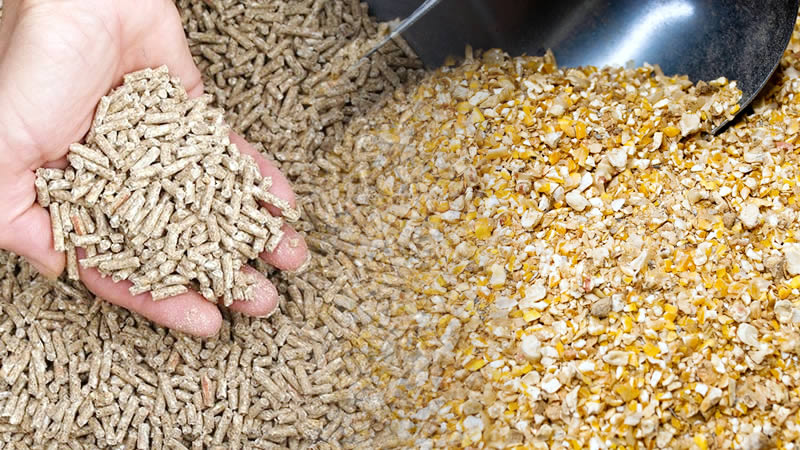
Both laying mash and laying pellets offer similar nutritional value. The main difference lies in form, cost, and ease of use.
Pros of Laying Mash
- More affordable than pellets
- Can be fed wet or dry
- Easier for chickens to consume
- Faster digestion
- Improved feed intake in some flocks
Cons of Laying Mash
- Can become messy when wet
- More feed wastage
- Difficult to clean leftovers
- Not ideal for beginners
- Less suitable for some feathered breeds
Conclusion
Laying mash is an effective and economical feed option for laying hens, especially for farmers focused on egg production and cost efficiency. However, it may not be suitable for all flock types or management systems.
Ultimately, the best feed depends on your flock’s needs, your management style, and your long-term goals. Observing your chickens’ performance will help you make the right decision.