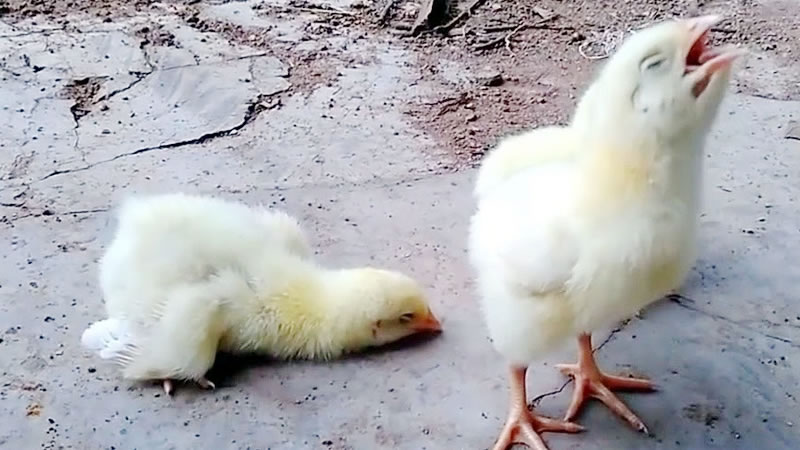
Coccidiosis is a common and highly contagious intestinal disease in chickens caused by the protozoan parasite Coccidia. It spreads rapidly through flocks via direct contact and ingestion of contaminated feces, often affecting multiple birds in a very short time.
This disease primarily targets the intestinal tract, causing tissue damage, internal bleeding, and poor nutrient absorption, which can severely weaken or kill infected birds if left untreated.
Table of Contents
What Causes Coccidiosis in Chickens?
Coccidiosis is caused by microscopic parasites called Coccidia that multiply inside the intestinal lining of chickens.
The infection spreads through:
- Contact with infected feces
- Contaminated feed or water
- Dirty or damp bedding
- Overcrowded living conditions
Once ingested, the parasites attach to the intestinal walls, reproduce rapidly, and form cysts that are later excreted in droppings, continuing the infection cycle.
Which Chickens Are Most at Risk?
Young chickens under 6 months of age are the most vulnerable due to their underdeveloped immune systems. Older birds may develop partial immunity over time, but stress or poor management can still trigger outbreaks.
Symptoms of Coccidiosis in Chickens
Symptoms can vary in severity and may resemble other poultry diseases, making diagnosis challenging without veterinary confirmation.
- Loss of appetite
- Weight loss and weakness
- Diarrhea (sometimes bloody)
- Ruffled or unkempt feathers
- Pale comb and skin
- Huddling and lethargy
- Reduced egg production
How Coccidiosis Affects Chickens
The parasite damages the intestinal lining, reducing the bird’s ability to absorb nutrients. This leads to dehydration, malnutrition, and in severe cases, death if treatment is not provided quickly.
Prevention of Coccidiosis in Chickens
Prevention is the most effective way to control coccidiosis outbreaks in poultry flocks.
- Maintain strict coop hygiene and sanitation
- Keep bedding clean, dry, and well-ventilated
- Provide fresh, uncontaminated drinking water
- Avoid overcrowding in poultry housing
- Regularly clean feeders and drinkers
Dry and cold environments can help reduce parasite survival, but proper hygiene remains the most important control method.
Treatment for Coccidiosis in Chickens
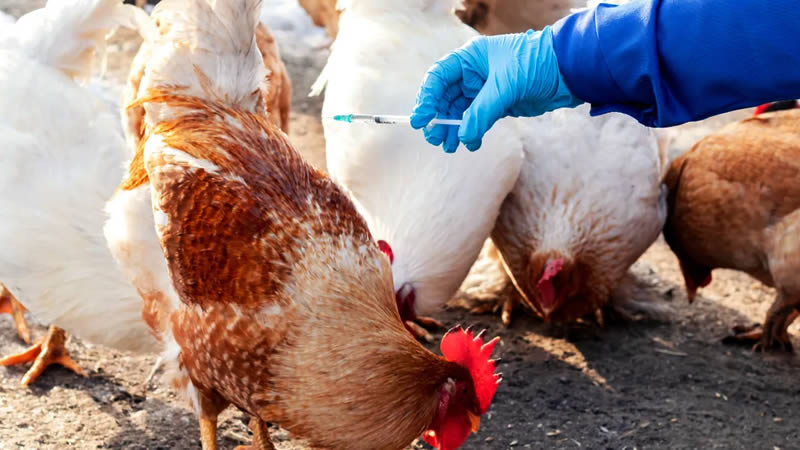
Coccidiosis is treatable if detected early. One of the most commonly used medications is Amprolium, which is added to drinking water to control parasite growth.
In cases where affected chickens are not drinking enough water, medication may be administered orally under proper guidance.
Supportive care, including hydration and improved nutrition, is also essential for recovery.
Conclusion
Coccidiosis is a serious but preventable poultry disease that can spread quickly through a flock. Early detection, proper hygiene, and timely treatment are essential to reduce losses and protect chicken health. With good management practices, coccidiosis can be effectively controlled and prevented.