
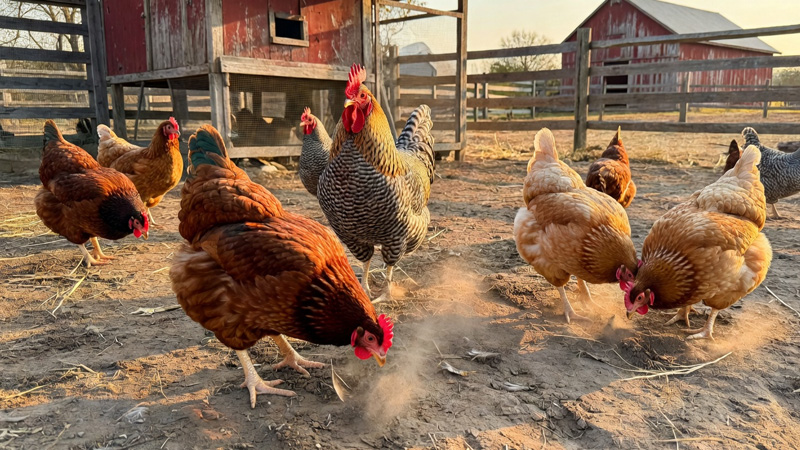
One of the fastest ways to create problems in a chicken flock is overcrowding.
Chickens may look small and easygoing, but they still need enough room to move, eat, rest, and avoid each other when they want to. A cramped flock becomes noisy, stressed, dirty, and unhealthy very quickly.
You do not need a huge farm to raise chickens successfully. Plenty of people keep healthy backyard flocks in small spaces. The key is using the space properly instead of trying to squeeze too many birds into one coop.
How Much Space Should Each Chicken Have?
A good starting point is around 3 to 4 square feet of indoor coop space per adult chicken.
Outside, most flocks need at least 15 square feet per bird. More is always better if you can provide it.
For example, six chickens usually need:
- At least 18 to 24 square feet inside the coop
- Roughly 90 square feet or more in the run
That setup works for many backyard flocks, especially if the chickens also get time outside the run occasionally.
Still, these numbers are not fixed rules.
Some flocks need more space depending on breed size, weather, flock behavior, and how often the birds stay confined.
Table of Contents
- How Much Space Should Each Chicken Have?
- Why Overcrowding Causes So Many Problems
- Disease Spreads Faster in Small Spaces
- Chicken Coop Size Matters More Than People Think
- How Much Roost Space Do Chickens Need?
- Nest Boxes Still Need Space Too
- Outdoor Space Makes a Big Difference
- Some Chicken Breeds Need More Room
- Roosters Change the Situation
- Weather Affects Space Requirements
- Ways to Make Small Spaces Work Better
- Final Thoughts
Why Overcrowding Causes So Many Problems
Too many chickens in a small area almost always leads to stress.
And stressed chickens create other problems.
You may start seeing feather pecking, bullying, loud behavior, fighting around feeders, broken eggs, or hens refusing to lay properly.
Sometimes the damage gets worse.
Chickens packed too tightly together can develop open wounds from pecking. Once blood appears, aggressive behavior spreads fast through the flock.
Egg production also drops in crowded coops. Hens become restless and uncomfortable in nesting areas. Eggs end up cracked, dirty, or misshapen.
Then there is the smell.
More chickens means more manure. Wet bedding builds ammonia faster, especially during rainy weather or winter when birds stay inside longer.
That creates the perfect environment for parasites and disease.
Disease Spreads Faster in Small Spaces
Dirty and crowded coops make disease harder to control.
Respiratory infections spread quickly when airflow is poor. Damp bedding encourages bacteria and mold growth. External parasites such as mites also become harder to manage.
Common health problems linked to overcrowding include:
- Coccidiosis
- Respiratory infections
- Feather loss
- Mites and lice
- Lameness
- Stress-related egg issues
Even healthy-looking chickens weaken over time if they constantly compete for space.
Chicken Coop Size Matters More Than People Think
Many beginners calculate the bare minimum coop size and stop there.
That usually backfires later.
The coop is not just empty floor space for chickens to stand on. Feeders, waterers, roost bars, and nesting boxes all take up room too.
Winter weather matters as well.
During storms or snow, chickens may stay inside the coop most of the day. A coop that feels spacious in summer suddenly feels crowded once the flock stops going outside regularly.
It is usually smarter to build slightly larger than you think you need.
How Much Roost Space Do Chickens Need?
Chickens naturally prefer sleeping off the ground.
That is why roost bars are important.
Each bird should have around 10 inches of roosting space. Larger breeds sometimes need more.
For six chickens, a roost bar around five feet long usually works well.
Even though chickens huddle together at night, they still want enough room to settle comfortably without constantly stepping on each other.
Nest Boxes Still Need Space Too
Laying hens prefer quiet and somewhat private nesting spots.
Without enough nesting space, hens may fight over boxes or start laying eggs in random corners.
A common setup is one nesting box for every three to four hens.
The boxes do not need to be huge, but they should feel safe and calm. Some chicken keepers even add curtains to make hens feel more secure while laying.
That small detail can actually reduce egg breakage and stress.
Outdoor Space Makes a Big Difference
Chickens behave much better when they can spend time outside.
They scratch the soil, hunt bugs, dust bathe, and spread themselves out naturally.
Flocks with outdoor access are usually calmer and healthier than birds locked inside all day.
If possible, aim for at least 15 to 25 square feet of outdoor run space per bird.
More room becomes especially important with active breeds.
Free ranging helps too, although it comes with tradeoffs like predators, damaged gardens, and escape attempts.
Some Chicken Breeds Need More Room
Large chickens naturally take up more space.
Brahmas, Jersey Giants, and other heavy breeds cannot comfortably fit into setups designed for smaller birds.
Bantam chickens are the opposite. Since they are much smaller, they usually tolerate tighter spaces better.
Temperament matters too.
Calmer breeds like Orpingtons and Silkies generally adapt better to confinement than nervous or highly active breeds.
Roosters Change the Situation
Keeping roosters often means you need more space.
Roosters are territorial, larger, and more likely to fight if they feel crowded.
Too many males in a small coop usually creates nonstop stress for the hens too.
If you plan to keep roosters, giving the flock extra room helps reduce aggression.
Weather Affects Space Requirements
Cold climates create different challenges than warm ones.
In winter, chickens may spend days inside the coop during storms or freezing temperatures. That means indoor space becomes much more important.
Wet weather can also destroy outdoor runs quickly.
Muddy conditions create bacteria, odor, and parasite issues fast.
Some chicken keepers rotate outdoor runs or use movable chicken tractors to keep the ground healthier.
Ways to Make Small Spaces Work Better
Sometimes expanding the coop is not possible right away.
In those situations, small changes still help.
- Move feeders and waterers outside if weather allows
- Let chickens free range part of the day
- Add toys or hanging treats to reduce boredom
- Rotate outdoor grazing areas
- Clean bedding more frequently
- Reduce flock size if necessary
These adjustments do not replace proper space completely, but they can reduce stress while improving flock behavior.
Final Thoughts
Chickens are easier to manage when they have enough room.
A spacious coop stays cleaner longer, hens lay more consistently, and the flock behaves more naturally overall.
Trying to save space by overcrowding almost always creates more work later through disease, aggression, smell, and poor egg production.
If you are unsure about coop size, go larger whenever possible.
Most chicken keepers eventually wish they had built a bigger coop anyway.

