
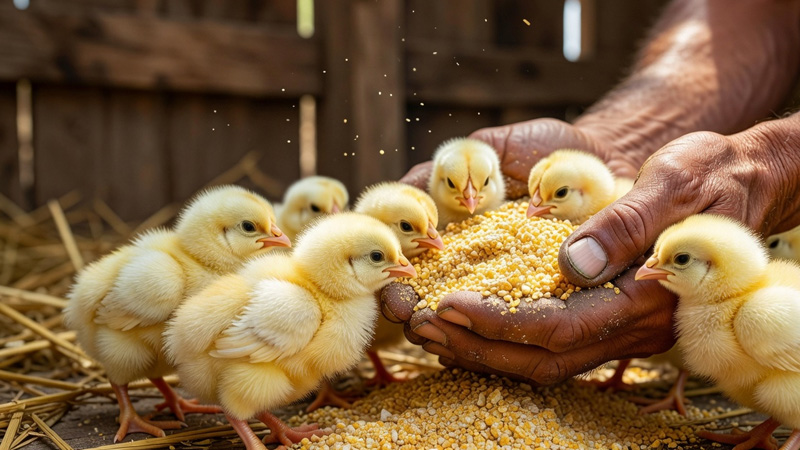
Feeding baby chicks for the very first time is honestly one of the most exciting parts of raising chickens. They are tiny, active, and always hungry. But despite looking energetic, baby chicks are still very delicate during their first few weeks of life.
A small mistake in feeding or care can quickly lead to sickness, dehydration, poor growth, or even death. This is why beginners should learn exactly what baby chicks can eat, what foods should be avoided, and how to properly introduce feed.
Some chicks do not even recognize food or water immediately after hatching, especially those shipped from hatcheries. In many cases, they need a little guidance during their first hours.
Before your chicks arrive, everything should already be prepared including heat, bedding, feeders, and clean water. Proper preparation makes a huge difference during those critical first days.
Table of Contents
- What to Prepare Before Baby Chicks Arrive
- What to Feed Baby Chicks From 0 to 6 Weeks Old
- Medicated vs Non-Medicated Chick Starter Feed
- How to Teach Baby Chicks to Eat and Drink
- When Can Baby Chicks Eat Grit?
- Other Foods Baby Chicks Can Eat
- Foods Baby Chicks Should Never Eat
- Can Baby Chicks Overeat?
- Can Baby Chicks Eat Chicken Scratch?
- What to Feed Chicks From 6 to 18 Weeks Old
- Conclusion
What to Prepare Before Baby Chicks Arrive
If your chicks are hatching at home, make sure the eggs are fertilized before placing them inside an incubator. You can check this through a process called candling, where a bright light is used in a dark room to look inside the egg for embryo development.
Of course, fertilized eggs are only possible if a rooster has successfully mated with the hen.
Chicken eggs usually hatch after about 21 days, although some may take slightly longer. During incubation, temperature and humidity should stay stable. Eggs also need regular turning during the first 18 days unless a broody hen is doing the job naturally.
Even if you have a broody hen, keeping a backup incubator nearby is still a smart idea. Some hens suddenly abandon their nests halfway through incubation.
Many beginners prefer ordering baby chicks from hatcheries instead. If possible, buy from a hatchery close to your location. Shorter shipping times improve the chance of chicks arriving healthy and hydrated.
Spring is usually the best season for buying chicks because the temperatures are milder and less stressful.
Baby chicks shipped from hatcheries often spend 2 to 3 days traveling. If shipping takes too long, dehydration becomes a serious risk.
Before your chicks arrive, your brooder should already be running for at least 24 hours. The heat source, bedding, humidity, feeder, and waterer must all be ready beforehand.
Newly hatched chicks can survive for roughly 48 hours without food because they still absorb nutrients from the egg yolk before hatching. However, hatchery chicks should receive water immediately after arrival because they are usually thirsty before they are hungry.
What to Feed Baby Chicks From 0 to 6 Weeks Old
Once chicks begin drinking water properly, you can start feeding them chick starter feed.
Starter feed is specially formulated for growing chicks and contains the nutrients they need during their early development stage.
If you are raising future egg-laying hens, choose a starter feed with around 20% protein. Avoid feeds with high calcium levels because baby chicks cannot properly process excess calcium yet.
Broiler chicks raised for meat production need slightly higher protein levels, usually around 22% to 24%. Higher protein supports faster muscle growth and weight gain.
As a rough estimate, one chick may consume about one pound of starter feed per week until six weeks of age. Larger breeds may eat even more.
Medicated vs Non-Medicated Chick Starter Feed
This topic confuses many first-time chicken owners.
Medicated chick feed does not contain antibiotics or medicine that cures diseases. Instead, it contains a compound called Amprolium, which helps reduce the risk of coccidiosis.
Coccidiosis is a common intestinal disease caused by microscopic parasites called Eimeria. Young chicks between 4 and 16 weeks old are especially vulnerable, particularly when stressed or exposed to wet environments.
Symptoms may include bloody droppings, weakness, dehydration, poor appetite, and weight loss.
Some hatcheries vaccinate chicks against coccidiosis before shipping them. Because of that, you should always ask whether your chicks have already received the vaccine.
If they are vaccinated, non-medicated starter feed is usually recommended. Feeding medicated feed to vaccinated chicks can interfere with the vaccine’s effectiveness.
How to Teach Baby Chicks to Eat and Drink
Not every chick immediately understands where food and water are located.
For first feeding, use a shallow feeder placed directly on the floor of the brooder so chicks can easily access it.
If a chick seems confused, gently dip the tip of its beak into the waterer. Usually, they learn very quickly after that. The same method can help teach them where the feed is.
Some chicken keepers scatter small amounts of starter feed on cardboard during the first day or two. This makes it easier for chicks to peck naturally.
Avoid using newspaper as bedding because it becomes slippery. Chicks can develop spraddle leg if they constantly slide while trying to walk.
During the first several days, it is best to observe your chicks closely and confirm all of them are eating and drinking normally.
When Can Baby Chicks Eat Grit?
Chicken grit is not actual food. It contains no nutritional value at all.
Chickens swallow grit because they do not have teeth. Tiny stones inside the gizzard help grind food during digestion.
If baby chicks are only eating commercial starter feed, grit is usually unnecessary because starter feed softens easily with moisture.
However, once chicks begin eating treats, vegetables, fruits, or insects, chick-sized grit becomes helpful.
Never mix grit directly into feed. Place it in a separate container so chicks can consume it only when needed.
Other Foods Baby Chicks Can Eat
Starter feed should remain the main source of nutrition, but small treats and supplemental foods can still be introduced gradually.
Hard-Boiled Eggs
During the first week, mashed hard-boiled eggs are an excellent protein source for baby chicks. Eggs also contain important nutrients like selenium that support immune health.
Just make sure the egg is mashed into tiny pieces for easier eating.
Soaked Bread Crumbs
Small amounts of stale bread soaked in milk can also be offered occasionally during the first few days.
Some keepers mix oatmeal into the soaked bread mixture by the third day.
Vegetables and Greens
By the fourth day, chicks can begin trying small amounts of vegetables and greens such as:
- Carrots
- Spinach
- Squash
- Parsley
- Lettuce
- Cabbage
- Dandelion greens
Introduce greens slowly because too much at once may cause diarrhea.
Fruits
Some fruits are also safe in moderation, including:
- Apples without seeds
- Strawberries
- Small pieces of berries
Oatmeal and Grains
Uncooked oatmeal, wheat, and sweet corn can be offered in tiny amounts once chicks become slightly older.
Mealworms
Mealworms are one of the favorite treats for growing chicks. They contain high levels of protein and are excellent occasional snacks.
Dried mealworms should be given alongside chick grit to help digestion.
Foods Baby Chicks Should Never Eat
Some foods that humans eat regularly can be dangerous or toxic to baby chicks.
The following foods should be avoided:
- Apple seeds
- Avocado
- Chocolate
- Candies
- French fries
- Ice cream
- Butter
- Moldy food
- Onions
- Processed foods
- Salty foods
- Table salt
- Raw potato peels with green spots
- Wild mushrooms
Moldy or spoiled foods are especially dangerous because they may contain toxins harmful to chickens.
Can Baby Chicks Overeat?
Many beginners worry about overfeeding chicks, but healthy baby chicks usually stop eating once they are full.
Chickens store food temporarily inside a pouch called the crop. Afterward, food moves into the gizzard where digestion happens gradually.
Because of this system, chicks naturally regulate much of their food intake on their own.
For that reason, chick starter feed should generally remain available all day so chicks can eat whenever needed.
Can Baby Chicks Eat Chicken Scratch?
Chicken scratch is mainly a mixture of grains and seeds. While chickens enjoy eating it, scratch contains far fewer nutrients compared to balanced chick feed.
Think of it more like junk food or snacks for chickens.
Baby chicks should not eat chicken scratch regularly, especially during early growth stages when proper nutrition matters most.
In most cases, scratch treats are better reserved for chickens at least 12 weeks old, and even then, treats should only make up a small portion of their overall diet.
What to Feed Chicks From 6 to 18 Weeks Old
Once chicks reach around six weeks old, they begin developing full feathers and usually become much more active.
This is also the stage when many chicks start trying to escape brooders constantly.
At this age, they can transition from starter feed to grower feed. Grower feed typically contains around 15% to 16% protein and supports steady development toward adulthood.
Older chicks can also eat larger insects, worms, and small amounts of meat-based protein.
However, avoid high-calcium feeds like layer pellets or oyster shells until hens actually begin laying eggs. Too much calcium too early may damage developing kidneys.
If you still have leftover starter feed, you can mix it gradually with grower feed during the transition period.
Conclusion
Feeding baby chicks properly is one of the most important parts of raising healthy chickens. During their first weeks, they need warmth, clean water, balanced nutrition, and a stress-free environment.
Starter feed should always remain the foundation of their diet, but introducing safe treats and healthy foods gradually can help chicks develop naturally and stay active.
At the same time, dangerous foods, dirty conditions, and poor nutrition should never be ignored because young chicks become sick very quickly.
Once you understand their feeding needs, caring for baby chicks becomes much easier and honestly a lot more enjoyable too. Watching tiny chicks grow into healthy adult chickens is one of the most rewarding experiences for backyard chicken keepers.

