Newcastle disease is one of the most feared viral diseases in poultry farming.
It spreads extremely fast, attacks the respiratory and nervous systems, and can wipe out an entire flock within days if not controlled immediately.
Many backyard chicken keepers first notice something strange when a bird starts coughing, walking in circles, or twisting its neck unnaturally. By the time severe symptoms appear, the virus may have already spread through the flock.
Because of how contagious it is, Newcastle disease remains a serious threat to chickens and many other bird species around the world.
Table of Contents
- What Is Newcastle Disease?
- How Newcastle Disease Spreads
- Common Causes of Newcastle Disease Outbreaks
- Symptoms of Newcastle Disease in Chickens
- How Dangerous Is Newcastle Disease?
- Is There a Cure for Newcastle Disease?
- How to Prevent Newcastle Disease
- What to Do During an Outbreak
- Can Humans Catch Newcastle Disease?
- Conclusion
What Is Newcastle Disease?
Newcastle disease is a highly contagious viral infection caused by the Newcastle Disease Virus, commonly called NDV.
The disease was first identified in Newcastle, England during the early 1900s, which is where the name came from.
Although chickens are heavily affected, the virus can also infect turkeys, pigeons, ducks, parrots, and many wild birds.
Some strains are milder than others, but highly virulent strains can kill up to 90% or even 100% of infected chickens in severe outbreaks.
How Newcastle Disease Spreads
NDV spreads quickly once it enters a flock.
Chickens become infected mainly through contact with contaminated feces, saliva, nasal discharge, feed, drinking water, cages, and equipment.
The virus can also travel through:
- Dirty shoes and clothing
- Transport crates
- Wild birds
- Shared feeders and waterers
- Airborne droplets from coughing or sneezing
This is why outbreaks can spread across farms very fast if proper biosecurity is missing.
Even healthy-looking birds may already carry and spread the virus before obvious symptoms appear.
Common Causes of Newcastle Disease Outbreaks
Several situations increase the risk of infection inside a flock.
Poor Biosecurity
Allowing visitors, equipment, or vehicles to enter the poultry area without sanitation can introduce the virus easily.
Contact With Wild Birds
Wild birds sometimes carry NDV without showing severe illness themselves. Shared water sources and feed areas increase exposure.
Dirty Living Conditions
Wet litter, overcrowding, and poor sanitation weaken chickens and help the virus spread faster.
Introducing New Birds Without Quarantine
Many outbreaks begin after farmers add newly purchased chickens directly into the flock without isolating them first.
Lack of Vaccination
Unvaccinated flocks are far more vulnerable, especially in areas where Newcastle disease is already common.
Symptoms of Newcastle Disease in Chickens
The symptoms depend on the strain of the virus, the age of the birds, and the overall health of the flock.
Some chickens become sick gradually while others die suddenly without much warning.
Symptoms may appear within two to fifteen days after infection.
Early Symptoms
- Loss of appetite
- Fatigue and weakness
- Coughing or sneezing
- Reduced egg production
- Difficulty breathing
- Watery eyes or nasal discharge
Advanced Symptoms
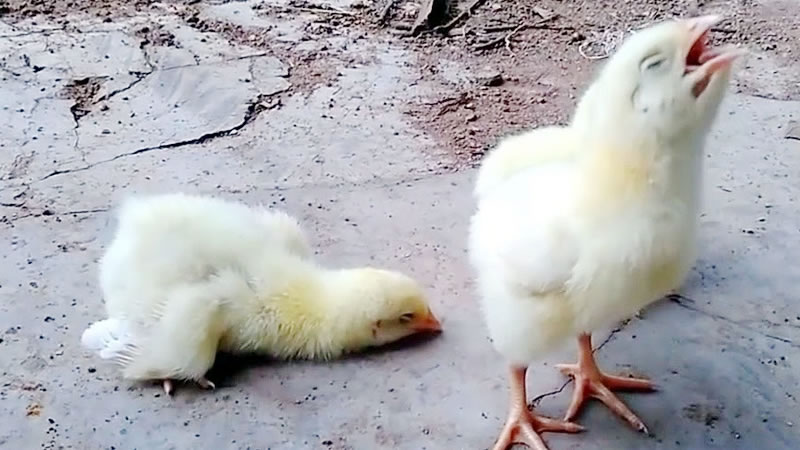
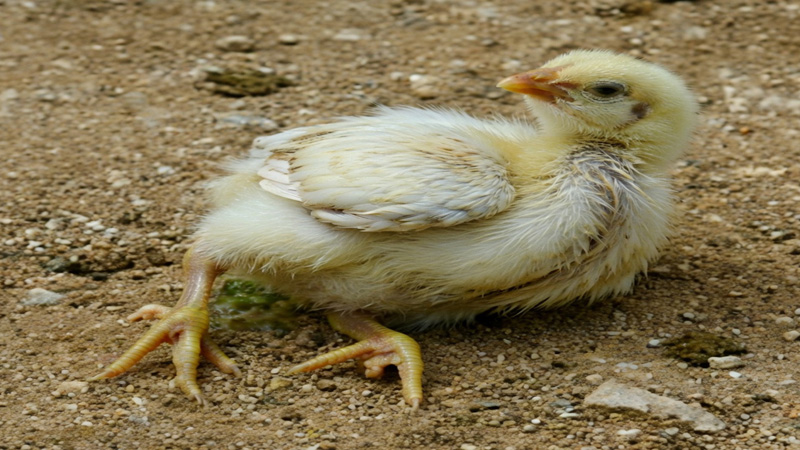
As the disease worsens, severe nervous system problems often appear.
- Twisted neck or head
- Muscle tremors
- Circling behavior
- Paralysis
- Drooping wings
- Swollen eyes
- Green watery diarrhea
The twisted neck position is one of the most recognizable signs of Newcastle disease.
In serious outbreaks, birds may die suddenly even before strong symptoms develop.
How Dangerous Is Newcastle Disease?
Newcastle disease is extremely dangerous because of its high mortality rate and rapid transmission.
Once the virus spreads through a flock, deaths can happen very quickly.
In severe cases, farmers may lose nearly all infected birds.
The disease also causes major economic losses due to reduced egg production, treatment costs, quarantine restrictions, and trade limitations.
Is There a Cure for Newcastle Disease?
Unfortunately, there is no direct cure that completely eliminates Newcastle disease once a chicken becomes infected.
Since NDV is caused by a virus, antibiotics will not kill the virus itself.
However, supportive care may help some birds survive milder strains.
Supportive Treatment May Include:
- Electrolytes and vitamins
- Clean drinking water
- Warm and dry housing
- Reducing stress
- Treating secondary bacterial infections with veterinary-approved antibiotics
Severely infected chickens often do not recover, especially during virulent outbreaks.
Because of that, infected birds should be isolated immediately to reduce further spread.
How to Prevent Newcastle Disease
Prevention is far more effective than treatment.
Strong biosecurity and vaccination programs are the best defense against Newcastle disease.
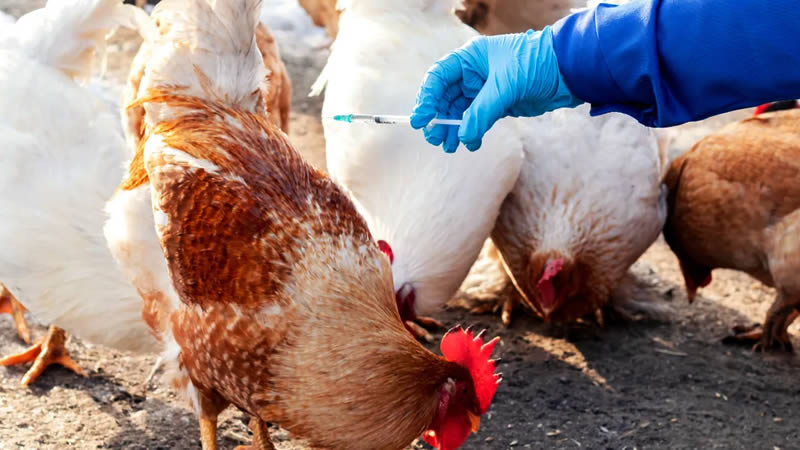
Vaccinate Your Flock
Vaccination greatly lowers the risk of severe outbreaks.
Many poultry farms follow regular vaccination schedules for chicks and adult birds.
Consult a local veterinarian for the proper vaccine program in your area.
Quarantine New Birds
Always isolate newly purchased chickens for at least two to four weeks before introducing them to the flock.
This simple step prevents many diseases from entering the coop.
Maintain Clean Housing
Regular cleaning reduces virus buildup inside the coop.
Replace wet bedding, disinfect equipment, and clean feeders and waterers frequently.
Avoid unnecessary visitors inside poultry areas.
Disinfect boots, cages, and tools before using them around your birds.
Control Wild Birds
Prevent wild birds from accessing chicken feed and water whenever possible.
Covered runs and secure feeders help reduce contact.
What to Do During an Outbreak
If you suspect Newcastle disease, act immediately.
- Separate sick birds from healthy ones
- Stop moving birds on or off the property
- Disinfect equipment and housing
- Contact a veterinarian or local animal health authority
- Monitor the remaining flock closely
Quick action can reduce losses and help prevent the virus from spreading to nearby farms.
Can Humans Catch Newcastle Disease?
Humans can occasionally develop mild symptoms after close exposure to infected birds, but serious illness is rare.
Possible symptoms include:
- Red or irritated eyes
- Mild flu-like symptoms
- Temporary conjunctivitis
Using gloves and washing hands properly after handling sick birds lowers the risk.
Conclusion
Newcastle disease is one of the deadliest viral diseases affecting chickens worldwide.
Because it spreads rapidly and carries a very high mortality rate, prevention should always be the priority.
Vaccination, strict sanitation, proper quarantine procedures, and strong flock management greatly reduce the chances of a devastating outbreak.
The moment symptoms such as twisted necks, breathing problems, or sudden deaths appear, immediate isolation and veterinary advice become critical.
Early action often makes the difference between saving part of the flock and losing nearly all of it.