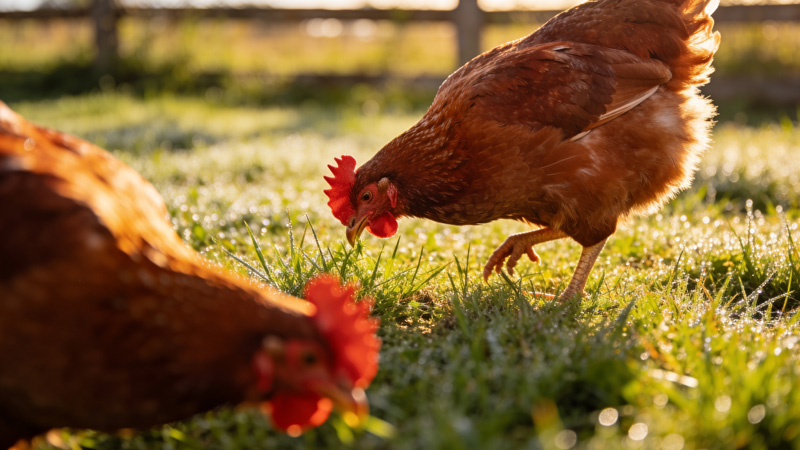
Weeds are not always a problem. In many cases, they are eagerly consumed by chickens and can serve as a natural food source. Along with being nutritious, these plants grow freely, which makes them cost-effective for poultry keepers.
In many backyards and gardens, such plants are already present, though they often go unrecognized. However, not every weed is safe. Some varieties contain toxic compounds that may harm both chickens and humans.
This guide outlines 15 common weeds suitable for chickens and highlights 8 harmful ones that should be removed from your surroundings.
Table of Contents
Understanding Garden Weeds
Garden weeds refer to plants that grow in unwanted locations. Although they may appear visually appealing, they often compete with cultivated plants and can disrupt garden health. These plants develop naturally without maintenance, which is why gardeners frequently attempt to eliminate them.
Weeds are generally classified into three categories based on lifespan: annual, biennial, and perennial.
Annual weeds complete their life cycle within one year and are divided into winter and summer types. Biennial weeds take two years to mature, forming leaves in the first year and producing flowers and seeds in the second. Perennial weeds persist for multiple years and spread either through seeds or vegetative reproduction.
Benefits of Weeds in Gardens
Not all weeds are harmful. Some function as natural ground cover, helping to protect soil from erosion caused by wind and rain. Others absorb nutrients from deep soil layers and redistribute them, improving soil quality.
Additionally, certain weeds produce flowers that attract pollinators such as bees and butterflies, supporting overall ecosystem health.
Advantages of Weeds for Chickens and Farmers
Free-range chickens naturally forage and consume weeds. Beyond being a food source, these plants provide multiple benefits when they are chemical-free and organically grown.
1. Easily Available and Cost-Free
Weeds grow without effort in most environments with sunlight and water. Because of this, poultry owners can reduce feed costs while relying on a readily available resource.
2. High Nutritional Value
Fast growth allows weeds to absorb large amounts of nutrients. As a result, many contain essential vitamins and minerals such as calcium, iron, magnesium, potassium, and zinc.
3. Reduced Garden Maintenance
Chickens naturally forage, scratch, and till the soil. By allowing them to roam, garden upkeep is reduced, saving both time and effort.
Safe Weeds for Chickens
Many commonly found weeds are edible and beneficial. Below are examples that chickens can safely consume.
1. Bee Balm (Monarda)
This perennial plant produces pink to purple flowers and belongs to the mint family. It supports respiratory and digestive health in chickens and can also be placed in nesting boxes due to its calming and antibacterial properties.
2. Chickweed
Recognized by small white flowers, chickweed is rich in vitamins A, B, C, and D. It also contains Omega-6 and is best offered fresh to preserve nutrients.
3. Clover
Containing protein, calcium, and vitamins, clover supports digestion. However, excessive consumption may affect egg production, so moderation is necessary.
4. Creeping Charlie
This vine-like plant contains vitamin C and minerals. Although beneficial in small amounts, it should only be fed occasionally.
5. Daisy (Bellis perennis)
Daisies supply minerals and vitamins essential for chickens. They grow in various environments and are widely available.
6. Dandelion
Dandelions are highly nutritious, offering minerals and vitamins that improve metabolism and organ function. Every part of the plant is edible.
7. Fat Hen
This fast-growing weed contains protein and multiple vitamins. It has historically been used as a leafy vegetable.
8. Hairy Bittercress
Despite its name, it has a mild flavor and contains compounds that support immune health. Young leaves are especially preferred by chickens.
9. Stinging Nettle
Rich in vitamins and minerals, nettle supports egg production and helps reduce internal parasites when properly handled.
10. Purslane
Purslane is high in Omega-3 fatty acids and supports both egg production and growth performance in chickens.
11. Miner’s Lettuce
This plant provides vitamins A and C and grows well in moist conditions. It can be served raw or cooked.
12. Kudzu
Although invasive, kudzu leaves contain high protein levels. Careful identification is necessary due to similarity with toxic plants.
13. Plantain Weeds
These weeds contain vitamins A, C, and E and can aid digestion. Both broadleaf and narrowleaf varieties are edible.
14. Wild Strawberry (Fragaria virginiana)
This plant produces small edible fruits and nutrient-rich leaves. It is commonly found in natural, undisturbed areas.
15. Wood Sorrel (Oxalis)
Known for its tangy taste, wood sorrel contains vitamins A and C. It is often mistaken for clover due to similar leaf structure.
Toxic Weeds to Keep Away from Chickens
Some weeds contain harmful compounds and should be removed from areas accessible to chickens.
1. Azalea
All parts of this plant contain toxins that affect the heart and respiratory system.
2. Burdock
While not highly toxic, its spiny burs can cause irritation and discomfort.
3. Buttercup
This plant contains toxins that may cause digestive issues and skin irritation.
4. Creeping Myrtle
Also known as periwinkle, it contains alkaloids that can affect the nervous system.
5. Daffodils
Toxic compounds in this plant can cause severe digestive and neurological symptoms.
6. English Ivy
This fast-growing plant is mildly toxic and may cause digestive and skin reactions.
7. Foxglove
Highly poisonous, foxglove affects the heart and should be removed immediately.
8. Morning Glory
Seeds of this plant contain toxic compounds that can lead to serious health issues.
Conclusion
Visual appeal alone should not determine whether a plant is safe. Before allowing chickens to forage freely, garden areas should be carefully inspected.
Edible weeds must be free from chemicals and should only be offered in controlled amounts. Establishing a designated area for safe weeds can help maintain balance in a chicken’s diet. Proper management ensures both safety and optimal nutrition.