Bird flu, also called avian influenza, is a highly contagious and potentially fatal viral disease that affects chickens, other birds, and in rare cases, humans. One of the most dangerous strains is Highly Pathogenic Avian Influenza (HPAI) H5N1, first identified in geese in China in 1996. Since then, outbreaks have been reported worldwide, making it a major concern for poultry keepers and commercial farms alike.
Although transmission to humans is uncommon, past outbreaks—such as the 1997 incident in Hong Kong—have shown that human infection is possible under certain conditions. For backyard chicken owners, understanding how bird flu spreads and how to prevent it is critical to protecting your flock.
Table of Contents
What Causes Bird Flu in Chickens?
Bird flu is caused by influenza type A viruses that naturally occur in wild birds. These viruses can spread to domestic poultry through direct contact with infected birds, contaminated feed or water, and exposure to infected droppings. Migratory birds are one of the primary carriers, often introducing the virus into new regions.
The virus spreads quickly once introduced into a flock. Movement of infected birds, contaminated equipment, and poor biosecurity practices can accelerate transmission.
Symptoms of Bird Flu in Chickens
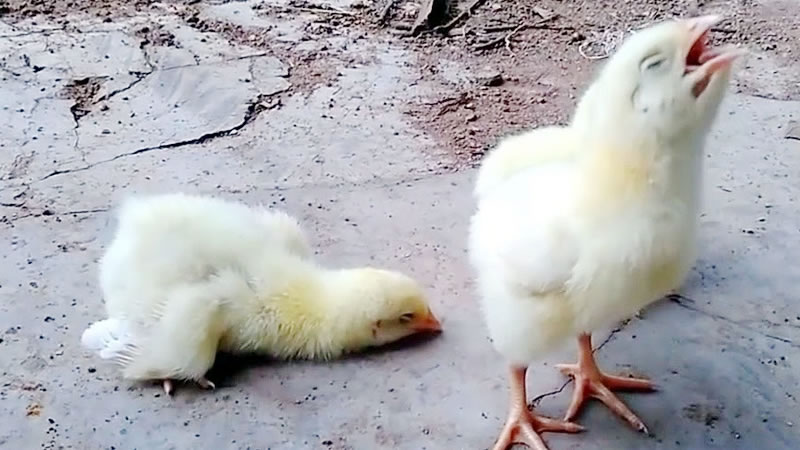
One of the biggest challenges with avian influenza is that early symptoms may be subtle or absent. However, as the disease progresses, infected chickens may show the following signs:
- Coughing and sneezing
- Nasal discharge
- Diarrhea
- Loss of coordination
- Lethargy or low energy
- Loss of appetite
- Sharp drop in egg production
In many cases, birds may not show clear warning signs before severe illness or sudden death occurs, which makes early detection difficult without laboratory testing.
How Deadly Is Bird Flu?
Highly pathogenic strains such as H5N1 can have a mortality rate of 90% to 100% in infected chickens. Because of this high fatality rate, outbreaks can devastate entire flocks in a very short time.
The virus can also spread rapidly across regions, especially when infected birds are transported or when migratory birds carry the disease to new locations.
Where Has Bird Flu Spread?
Avian influenza outbreaks have been reported in more than 50 countries across Asia, Africa, Europe, the Middle East, and the United States. This global presence highlights the importance of strong prevention and monitoring practices for both backyard and commercial poultry systems.
How to Prevent Bird Flu in Chickens
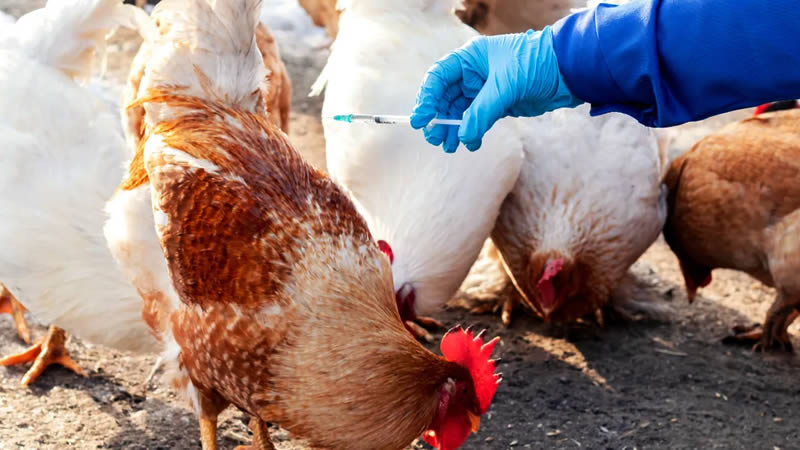
While vaccines exist in some regions, there is still no widely effective cure for bird flu in chickens. Prevention remains the best defense. Here are key measures to protect your flock:
- Practice strict biosecurity by limiting access to your coop.
- Avoid buying birds from unverified or illegal sources.
- Keep wild birds away by covering runs and securing feed.
- Clean and disinfect equipment regularly.
- Provide clean food and water at all times.
- Isolate new or sick birds before introducing them to your flock.
Reducing contact between domestic chickens and wild birds is one of the most effective ways to prevent infection.
Frequently Asked Questions About Bird Flu in Chickens
Can humans get bird flu from chickens?
Yes, but it is rare. Human infection usually occurs through direct contact with infected birds or contaminated environments.
How is bird flu diagnosed in chickens?
Bird flu can only be confirmed through laboratory testing. Visible symptoms alone are not enough for accurate diagnosis.
Can chickens survive bird flu?
Survival is unlikely with highly pathogenic strains. Most infected birds do not recover.
Is there a cure for avian influenza?
There is currently no reliable cure, which is why prevention and early containment are critical.
Conclusion
Bird flu in chickens is a serious and highly contagious disease that can quickly wipe out entire flocks. Because symptoms may not appear early and mortality rates are extremely high, prevention is the most effective strategy. By maintaining strong biosecurity, limiting exposure to wild birds, and monitoring your flock closely, you can significantly reduce the risk of avian influenza and keep your chickens healthy and productive.