

Wyandotte chickens are a popular American heritage breed known for their excellent egg production, cold hardiness, and striking feather patterns. While they are not always the friendliest chickens, they are highly valued for both meat and eggs.
If you’re considering raising this breed, this complete Wyandotte chicken guide covers everything you need to know—from origin and appearance to behavior, feeding, and care tips.
Table of Contents
- Origin of Wyandotte Chickens
- Wyandotte Chicken Appearance
- Wyandotte Chicken Size and Weight
- Wyandotte Chicken Temperament
- Climate Tolerance
- Feeding Wyandotte Chickens
- Wyandotte Chicken Egg Production
- Wyandotte Chicken Meat Production
- Health and Common Issues
- Care and Management Tips
- Pros and Cons of Wyandotte Chickens
- Conclusion
Origin of Wyandotte Chickens

The Wyandotte chicken was developed in the United States during the 1870s by breeders from New York, Massachusetts, and Michigan. The first recognized variety was the Silver Laced Wyandotte.
Originally called the American Sebright, the breed was renamed in 1883 to honor the Wyandot Native American tribe. That same year, it was officially admitted into the American Poultry Association (APA) Standard of Perfection.
Today, Wyandotte chickens come in multiple recognized varieties, including:
- Silver Laced
- Golden Laced
- Buff
- Partridge
- Columbian
- Blue
- Silver Penciled
- Black
Wyandotte Chicken Appearance
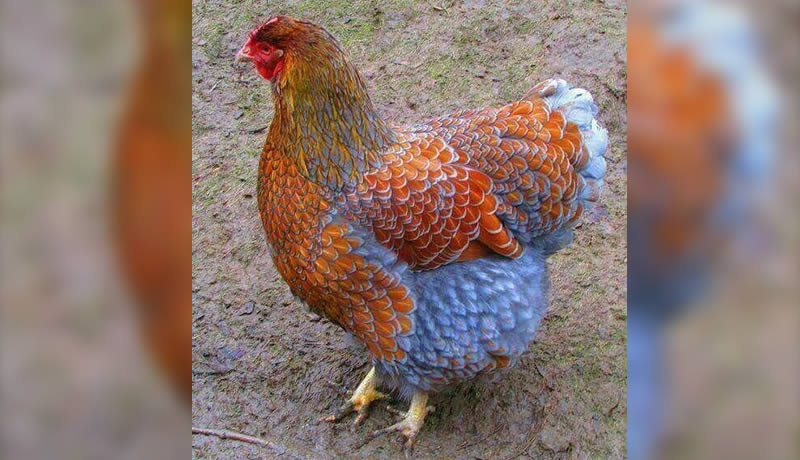
Wyandotte chickens are medium to large birds with a compact and well-balanced body. They are easily recognized by their rounded shape and dense feathering.
- Broad chest and wide body
- Rose comb (flat and close to the head)
- Yellow legs and beak
- Bright red wattles and ear lobes
Their feather patterns, especially in laced varieties, make them one of the most visually attractive backyard chickens.
Wyandotte Chicken Size and Weight
- Roosters: 8–8.5 lbs (3.6–3.9 kg)
- Hens: 6–6.5 lbs (2.7–3 kg)
- Bantams: 740–850 grams
They grow relatively fast compared to other heritage breeds of similar size.
Wyandotte Chicken Temperament
Wyandottes are generally calm and independent, but they are not typical lap chickens.
- Docile but not overly affectionate
- Independent and sometimes moody
- Moderately active foragers
- Middle of the pecking order
They can coexist with other breeds but may stand their ground when challenged. Their vocal nature makes them less ideal for noise-sensitive areas.
Climate Tolerance
Wyandotte chickens are highly cold hardy thanks to their rose comb and dense feathers.
- Excellent winter layers
- Low risk of frostbite
- Sensitive to extreme heat
Provide shade and ventilation during hot weather to prevent heat stress.
Feeding Wyandotte Chickens

Wyandottes are heavy eaters and require a balanced diet:
- Starter feed for chicks
- Grower feed for juveniles
- Layer feed for laying hens
Ensure adequate protein, calcium, vitamins, and constant access to clean water.
Wyandotte Chicken Egg Production

Wyandottes are reliable layers, making them ideal for backyard flocks.
- Egg color: Light to dark brown
- Annual production: 200–240 eggs
- Start laying: Around 6 months
Many hens continue laying throughout winter.
Wyandotte Chicken Meat Production
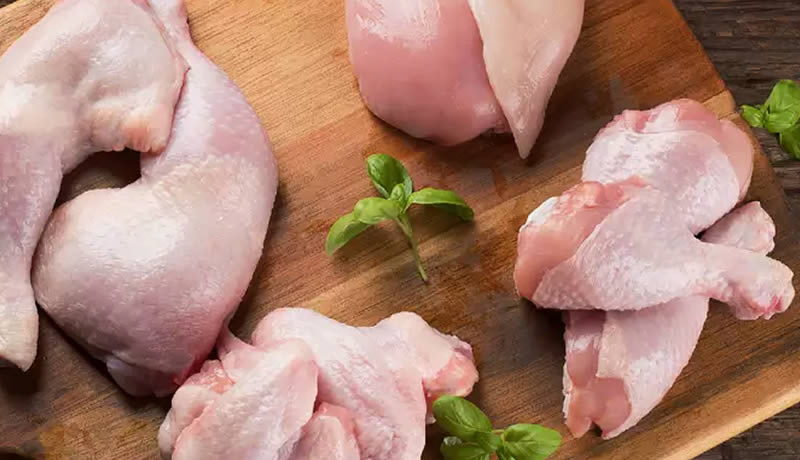
As a dual-purpose breed, Wyandotte chickens provide both eggs and meat.
- Market weight: 6.5–8.5 lbs
- Growth time: ~4 months
- Meat quality: Firm and flavorful
Health and Common Issues
Wyandottes are generally a hardy and healthy breed with few genetic issues.
- Occasional mites and lice
- Risk of heat stress in summer
- Feather maintenance required
Care and Management Tips
- Provide enough space to reduce aggression
- Ensure good ventilation in hot climates
- Maintain clean coop conditions
- Offer access to fresh grass or forage
They are not strong flyers, so standard fencing is usually sufficient.
Pros and Cons of Wyandotte Chickens
Advantages
- Excellent egg production
- Cold hardy and winter layers
- Dual-purpose (meat and eggs)
- Hardy and low health issues
- Attractive feather patterns
Disadvantages
- Can be noisy
- Not very affectionate
- May be temperamental
- Heat sensitive
- Not ideal for beginners in small spaces
Conclusion
The Wyandotte chicken is a reliable and productive breed suitable for poultry keepers who want a balance between egg production and meat yield. While they may not be the most cuddly birds, their resilience, beauty, and performance make them a valuable addition to any flock.
With proper care, Wyandottes can live between 6 to 12 years and remain productive for a long time.

