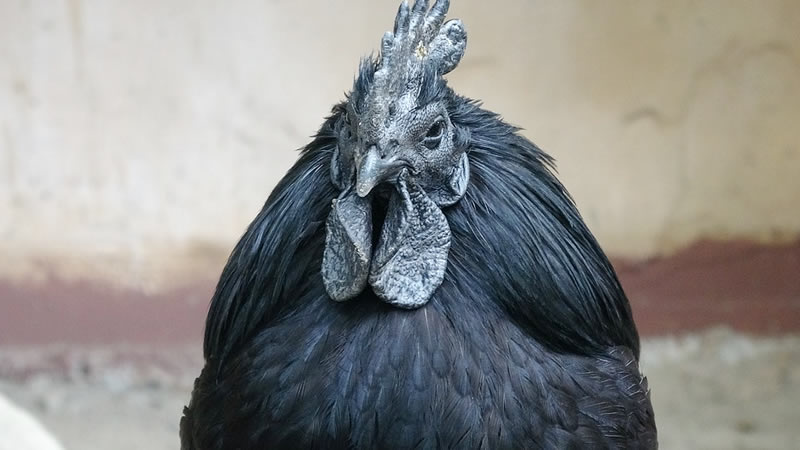
The Frizzle chicken breed is one of the most visually unique and eye-catching chicken types in the poultry world. With their curled and fluffy feathers, they often look as if they have been blown by strong wind or styled in an unusual way. Despite their unusual appearance, Frizzle chickens are known for being gentle, friendly, and easy to manage.
Frizzle chickens are highly popular among backyard chicken keepers and poultry exhibitors due to their ornamental appearance and calm temperament. This guide covers everything you need to know about Frizzle chickens, including genetics, behavior, care, egg production, and breeding rules.
What Does “Frizzling” Mean in Chickens?
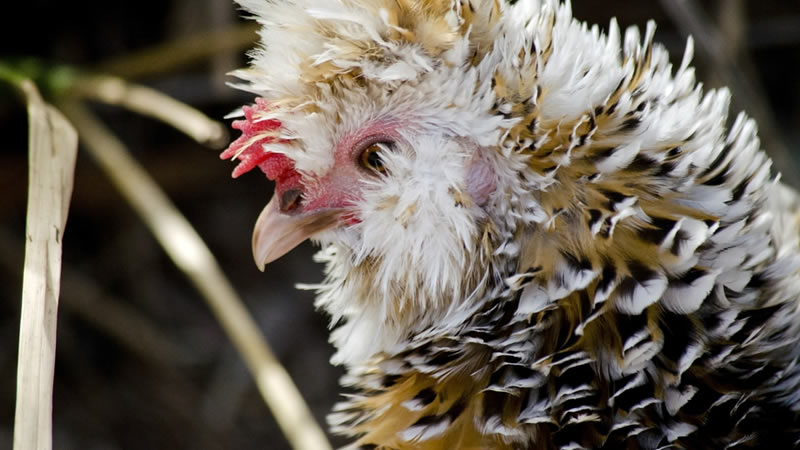
Frizzling refers to a genetic trait where a chicken’s feathers curl outward instead of lying flat against the body. This happens due to a specific gene that affects feather structure during growth.
Chickens carrying the frizzle gene develop soft, curled feathers that create a distinctive and decorative appearance. This trait can appear in several breeds, including Polish, Pekin Bantam, and other European chicken breeds.
Is the Frizzle Chicken a True Breed?
The classification of Frizzle chickens varies by region. In many countries such as the UK, France, Germany, and Australia, Frizzles are recognized as a breed or standardized type.
However, the American Poultry Association (APA) does not classify Frizzles as a separate breed. Instead, they are considered a feather type that can appear in different chicken breeds.
Origin of the Frizzle Chicken Breed
The exact origin of Frizzle chickens remains unclear. Historical references date back to the 1800s, when Charles Darwin described them as “Frizzled Fowls.”
Some theories suggest they originated in Asia, including regions like India, Java, and the Philippines. However, others argue that frizzling is simply a genetic mutation with no single geographic origin.
Frizzle vs Frazzle vs Sizzle Chickens
Frizzle Chicken
A Frizzle chicken has a single copy of the frizzle gene, resulting in soft curled feathers. They are usually healthy when properly bred and are common in bantam varieties.
Frazzle Chicken
A Frazzle chicken inherits two copies of the frizzle gene. This condition can cause serious health issues such as weak feathers, heart problems, and reduced lifespan. For this reason, breeding frazzles is strongly discouraged.
Sizzle Chicken
A Sizzle chicken is the result of crossing a Frizzle chicken with a non-frizzle breed. Some may have curled feathers while others do not. The term “Sizzle” is commonly associated with Silkie chickens mixed with frizzle genetics.
Should You Breed Two Frizzle Chickens?
Breeding two Frizzle chickens together is not recommended. This pairing increases the chance of producing Frazzle offspring, which suffer from serious genetic and health problems.
A responsible breeding practice is to cross a Frizzle chicken with a normal-feathered chicken. This helps maintain healthy offspring and reduces genetic defects.
What Do Frizzle Chickens Look Like?
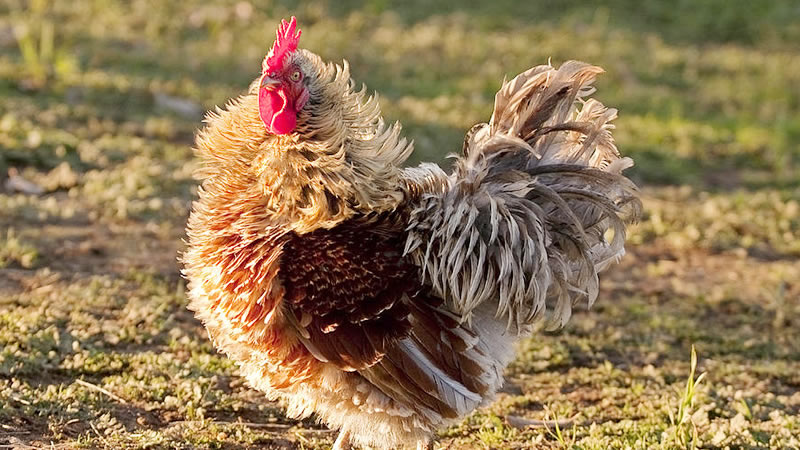
Frizzle chickens typically have short beaks, red combs, and bright eyes. Their most distinctive feature is their outward-curling feathers, which create a fluffy and unstructured appearance.
Common feather colors include black, white, buff, red, blue, cuckoo, spangled, and Columbian patterns. However, variations continue to expand through selective breeding.
Frizzle Chicken Size and Weight
Frizzle chicken weight depends on the base breed. Standard-sized chickens may weigh between 6–8 pounds for hens and roosters, while bantam Frizzles are significantly smaller, often between 1.3–1.5 pounds.
Frizzle Chicken Temperament and Behavior
Frizzle chickens are known for their calm, friendly, and docile temperament. They are easy to handle, making them ideal for backyard flocks and poultry exhibitions.
They adapt well to both free-range and confined environments. However, due to their gentle nature, they may be bullied by more aggressive breeds, so flock management is important.
Heat Tolerance and Cold Sensitivity
Frizzle chickens are more sensitive to extreme temperatures compared to standard breeds. Their curled feathers provide less insulation, making them vulnerable to both heat stress and cold weather.
Proper shelter, ventilation, and seasonal protection are essential to maintain their health.
Feeding Frizzle Chickens
Frizzle chickens eat the same diet as regular chickens, including grains, vegetables, fruits, insects, and commercial feed. No special diet is required, but clean water and balanced nutrition are essential.
Frizzle Chicken Egg Production

Frizzle chickens are not high egg producers. They typically begin laying eggs at around 22 weeks of age and produce about 120–150 eggs per year.
Eggs are usually small to medium-sized and may be cream or tinted in color. Despite low production, Frizzle hens are often excellent brooders.
Frizzle Chicken Meat Production
Frizzle chickens are considered dual-purpose birds, but they are not primarily raised for meat. Their body size is often smaller, especially in bantam varieties, though meat quality depends on the parent breed.
Health Issues in Frizzle Chickens
Frizzle chickens are more vulnerable to environmental stress and diseases due to their feather structure. They require protection from extreme weather conditions and proper housing space.
Common risks include respiratory infections, mites, lice, and poor temperature regulation.
How to Care for Frizzle Chickens

Frizzle chickens require extra care compared to standard breeds. Their feathers provide limited insulation, so temperature control is critical.
During cold weather, supplemental heat may be necessary. During hot weather, shade and hydration are essential. Roosting bars should be low to accommodate their limited flight ability.
Pros and Cons of Frizzle Chickens
Advantages
- Unique and attractive appearance
- Friendly and easy to handle
- Good for exhibitions and shows
- Adaptable to backyard environments
- Can be found in multiple breeds
Disadvantages
- Cannot be bred frizzle-to-frizzle
- Sensitive to extreme weather
- Lower egg production
- Prone to bullying in mixed flocks
- More vulnerable to diseases
Conclusion
Frizzle chickens are not the most productive breed in terms of eggs or meat, but they are among the most visually striking and friendly poultry birds. They are best suited for ornamental purposes, backyard enjoyment, and poultry exhibitions.
With proper care, housing, and responsible breeding, Frizzle chickens can be a rewarding addition to any flock.