
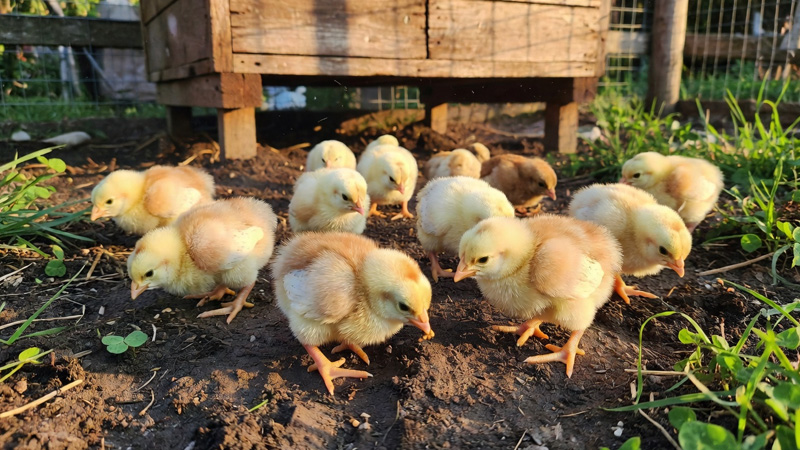
Baby chicks look easy to care for until you actually bring them home.
They are tiny, noisy, messy, and surprisingly fragile during the first few weeks. One mistake with temperature or bedding can turn into a serious problem fast. That is why preparing early matters more than most beginners realize.
Before ordering chicks, you should already know where they will stay, what breed fits your setup, and how you plan to keep them warm and healthy.
Table of Contents
- Choosing the Right Chicken Breed
- When Is the Best Time to Buy Baby Chicks?
- Where Should You Buy Baby Chicks?
- Prepare Everything Before the Chicks Arrive
- What to Do Once the Chicks Arrive
- The First Few Days Matter Most
- Keep the Brooder Clean
- Be Careful Around Adult Chickens
- Children and Baby Chicks
- Final Thoughts
Choosing the Right Chicken Breed
Many first-time chicken keepers choose breeds based on appearance alone.
Then later they discover the birds are too loud, too aggressive, or completely unsuited for the local climate.
Some chickens handle cold weather very well while others struggle once temperatures drop. Certain breeds stay calm around children, but some become territorial as they grow older.
If you live in a crowded neighborhood, noisy breeds can become a problem quickly.
And if you want lots of eggs, not every breed will meet your expectations either.
Spend time deciding what matters most before buying chicks. Egg production, personality, climate tolerance, and noise level all make a difference later.
When Is the Best Time to Buy Baby Chicks?
Spring is usually the easiest season for raising chicks.
The weather is milder, which reduces stress on young birds. Chicks raised in spring also have enough time to grow properly before winter arrives.
Winter is harder for beginners.
You need more heating, closer monitoring, and extra effort just to keep chicks comfortable. Summer can work too, although extreme heat creates its own problems.
Most experienced chicken keepers still prefer spring for a reason. It simply gives chicks a smoother start.
Where Should You Buy Baby Chicks?
Try to buy from a hatchery or breeder close to your location.
Long shipping times put stress on chicks. By the time they arrive, they may already be weak or dehydrated.
Healthy chicks are usually alert, active, and responsive once unpacked.
If several chicks arrive lethargic or unable to stand properly, transportation stress may already be affecting them.
Prepare Everything Before the Chicks Arrive
Never wait until delivery day to set up the brooder.
The entire setup should already be running before the chicks get home.
Brooder Box
The brooder becomes the chicks’ first home.
Plastic containers, stock tanks, old aquariums, or homemade wooden brooders can all work. What matters most is safety, warmth, airflow, and enough space.
Young chicks grow faster than many people expect.
What feels spacious during the first week can become overcrowded very quickly.
The walls should also be high enough to prevent escapes once the chicks become more active.
If you use cardboard, keep heat sources away from it.
Bedding
Pine shavings are one of the most common bedding choices because they absorb moisture fairly well.
Sand works too and many keepers prefer it because it dries faster and controls odor better over time.
Avoid cedar shavings and fine sawdust.
Slippery newspaper is another bad option because chicks can develop leg problems when they cannot grip the floor properly.
Keep bedding dry. Damp litter quickly creates odor, bacteria, and parasite issues.
Heat Source
Newly hatched chicks cannot regulate body temperature properly.
For the first week, the brooder should stay around 95°F. After that, lower the temperature gradually every week.
Heat lamps are common, though they need careful positioning.
Too much heat causes panting and spreading away from the lamp. Too little heat makes chicks pile together tightly under the warmest spot.
Watching chick behavior often tells you more than the thermometer.
Keep spare bulbs nearby just in case one burns out unexpectedly at night.
Food and Water
Starter feed should be ready before the chicks arrive.
Young chicks need high-protein feed designed specifically for their age. Kitchen scraps and treats can wait until they are older.
Use shallow waterers.
Deep containers are risky because chicks can fall in and drown surprisingly fast. Some people place clean pebbles in the water tray for added safety.
Fresh water matters every single day.
First Aid Supplies
Even healthy chicks can run into problems during the first few weeks.
Having basic supplies nearby saves time during emergencies.
Many keepers store electrolyte powder, antiseptic solution, gauze pads, tweezers, gloves, droppers, and antibiotic ointment in one small kit.
You may never need some of it, but it is better to have supplies ready before something happens.
Extra Brooder
A second small brooder helps more than people expect.
Sick chicks sometimes need isolation. Injured chicks may need temporary separation too.
Without a backup space, managing those situations becomes difficult.
What to Do Once the Chicks Arrive
The brooder should already be warm and stable before unpacking the chicks.
Do not rush them straight into feeding.
After shipping, they are usually thirsty first. Help them drink before worrying about food.
Some chicks learn quickly. Others need guidance.
Gently dipping the tip of the beak into water often helps them understand where to drink.
Once they settle down and rest, you can introduce starter feed.
The First Few Days Matter Most
The first week is usually when problems show up.
One common issue is pasty butt. This happens when droppings stick around the vent area and harden.
If ignored, it can block waste completely.
Warm water and a soft paper towel usually solve it if caught early.
Leg problems can appear too.
Spraddle leg causes chicks to slide their legs outward because they cannot grip the surface properly. Curled toes may also appear in some chicks.
Many of these problems improve when treated early.
Keep the Brooder Clean
Dirty brooders create trouble fast.
Water spills, wet bedding, and droppings build up quickly because chicks seem to poop constantly.
Clean feeders and waterers daily. Replace wet bedding immediately instead of waiting for the entire brooder to smell bad.
Good airflow matters too, although drafts should still be avoided.
Be Careful Around Adult Chickens
If you already have older chickens, avoid carrying germs from one group to another.
Wash your hands after handling adult birds and change shoes if necessary.
Young chicks have weaker immune systems and can become sick much easier.
Visitors who keep chickens at home should also be cautious before touching your chicks.
Children and Baby Chicks
Most children get excited around baby chicks immediately.
That is fine, but supervision matters.
Chicks are delicate and stress easily when handled roughly or too often. Teach children to hold them gently and avoid squeezing or chasing them around the brooder.
They are living animals, not toys.
Final Thoughts
Raising baby chicks is rewarding, but the first few weeks require attention every day.
You are managing heat, cleanliness, feeding, safety, and health all at the same time.
Once the chicks grow feathers and become stronger, things get much easier. Until then, small details matter more than people think.
A warm brooder, clean water, proper feed, and careful observation go a long way in keeping young chicks healthy.

