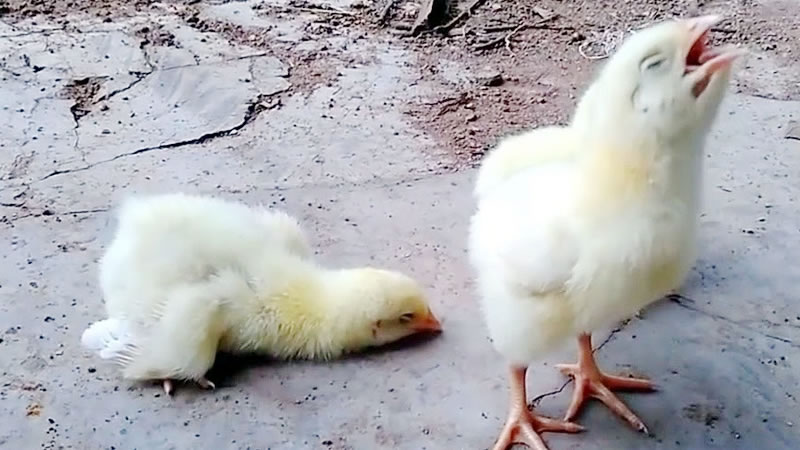
Infectious Coryza is one of the most common bacterial respiratory diseases that affects chickens around the world. Poultry raisers usually notice it first when birds start sneezing, developing swollen faces, or having a bad-smelling discharge coming from the nose and eyes. It spreads fast inside crowded flocks and can quickly affect both backyard chickens and commercial poultry farms.
Even though the disease is not always highly deadly, it can still cause serious problems. Sick chickens eat less, lose weight, stop laying properly, and become weak. Once Coryza enters a flock, controlling it can become difficult if proper treatment and sanitation are ignored.
Table of Contents
What is Infectious Coryza?
Infectious Coryza, also called IC, Coryza, or Roup, is a bacterial disease that attacks the upper respiratory system of chickens. It mainly affects the sinuses, nasal passages, trachea, and sometimes the lungs.
The disease is caused by the bacteria Hemophilus paragallinarum. Chickens infected with this bacteria usually develop swelling around the face and eyes together with respiratory problems.
Although younger birds can become infected, Coryza is more common in chickens that are at least 14 weeks old. Once symptoms begin, the disease can move through the flock surprisingly fast.
Causes of Infectious Coryza
The main cause of Infectious Coryza is exposure to the bacteria Hemophilus paragallinarum. The bacteria spread through contaminated feed, drinking water, mucus discharge, and air droplets from coughing or sneezing birds.
One infected chicken can easily infect many others, especially in poorly ventilated housing. The disease spreads even faster when new birds are introduced into a healthy flock without proper quarantine.
Dirty litter, overcrowding, stress, and wet environments also increase the risk of outbreaks. Chickens with weak immune systems are usually affected more severely.
Symptoms of Infectious Coryza
Symptoms often appear within one to three days after infection. Some chickens recover faster than others, but infected birds usually look noticeably sick.
Common signs include:
- Sneezing and coughing
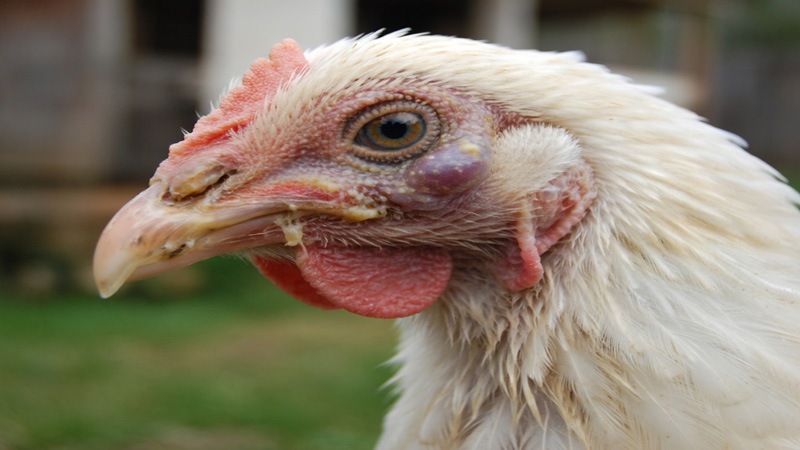
- Swollen face and sinuses
- Nasal discharge with foul odor
- Watery or swollen eyes
- Difficulty breathing
- Loss of appetite
- Reduced egg production
- Weakness and inactivity
In severe cases, thick mucus can block the nostrils and make breathing very difficult. Chickens may also shake their heads often because of irritation in the nasal passages.
How Infectious Coryza Spreads
Coryza spreads mainly through direct contact with infected birds. Feeders, waterers, cages, and even workers can carry the bacteria from one area to another.
The bacteria survive in nasal secretions and contaminated water, which is why outbreaks often happen quickly in shared housing systems. Carrier birds are also a major problem because some chickens continue carrying the bacteria even after appearing healthy.
That is why introducing new birds without isolation is one of the most common reasons healthy flocks suddenly develop Coryza.
Treatment and Cure for Infectious Coryza
There is no instant cure that completely removes the disease from every infected bird, but treatment can reduce symptoms and help control the outbreak.
Sulfonamide drugs and antibiotics are commonly used for treatment. One of the most widely used medications for Coryza is Sulfadimethoxine. It is considered one of the safer prescription treatments for infected chickens.
Antibiotics added to feed or water may help reduce swelling, discharge, and breathing problems. However, treatment usually controls the infection instead of fully eliminating the bacteria from carrier birds.
During treatment, it also helps to:
- Separate sick birds immediately
- Improve ventilation inside the coop
- Keep water and feed clean
- Remove wet litter regularly
- Reduce stress and overcrowding
Some chickens recover within a few weeks, while others may continue showing mild respiratory signs for a longer period.
How to Prevent Infectious Coryza
Prevention is much easier than dealing with a full outbreak. Good flock management plays a big role in keeping chickens safe from Coryza.
Always quarantine newly purchased birds before mixing them with the existing flock. Even healthy-looking chickens can carry the bacteria without obvious symptoms.
Regular cleaning and disinfection are also important. Poultry houses, feeders, drinkers, and litter should be cleaned often to reduce bacterial contamination.
Other prevention methods include:
- Maintaining proper ventilation
- Avoiding overcrowded housing
- Providing clean drinking water
- Using quality feed
- Controlling stress in the flock
- Removing sick birds quickly
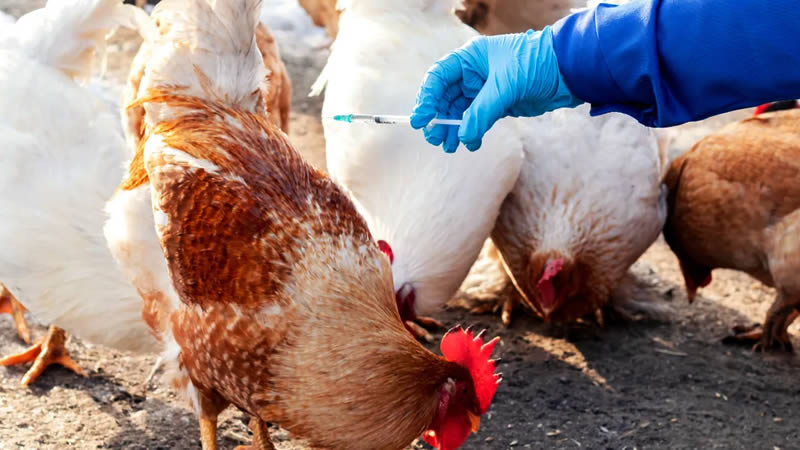
In areas where Coryza is common, some poultry raisers also use vaccination programs to help lower the risk of severe outbreaks.
Conclusion
Infectious Coryza is a contagious bacterial disease that can spread rapidly through chicken flocks if not controlled early. While the mortality rate is usually lower than some viral poultry diseases, the infection still causes major losses because of poor growth, reduced egg production, and ongoing respiratory problems.
Keeping poultry housing clean, quarantining new birds, and treating infected chickens quickly are the best ways to manage the disease. A healthy and well-maintained flock has a much better chance of resisting Coryza outbreaks before they become serious.