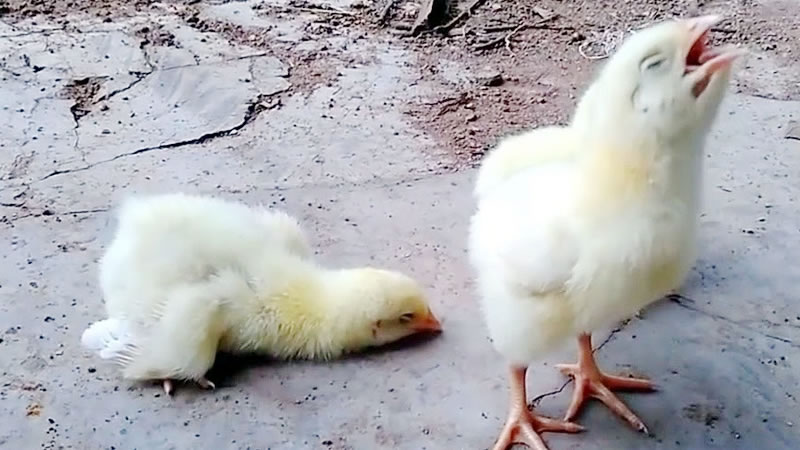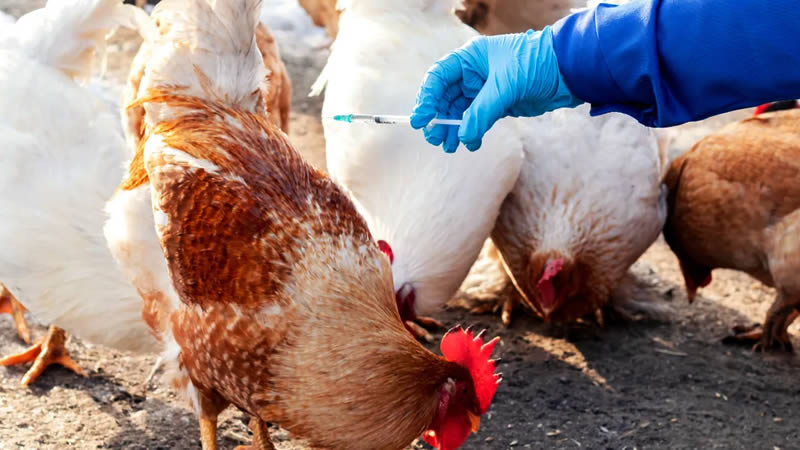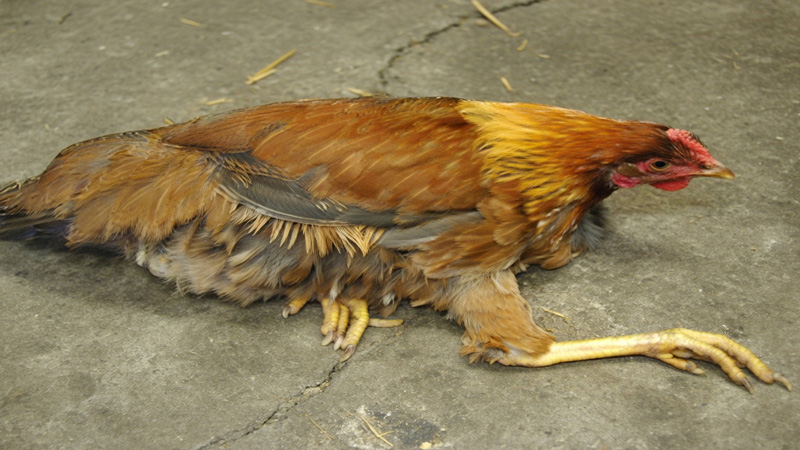
Lymphoid Leukosis (LL) is one of the most common cancer-related diseases in adult chickens and is caused by the Avian Leukosis Virus (ALV), a contagious retrovirus that attacks the bird’s immune system and internal organs.
Many backyard chicken owners do not notice the disease right away because infected birds often appear normal during the early stages. Then slowly, chickens start losing weight, become weak, stop laying properly, and eventually die without obvious signs of infection.
What makes this disease frustrating is there’s currently no cure or commercial treatment that completely removes the virus from infected birds. Once it enters a flock, controlling it becomes very difficult.
Still, understanding how the disease spreads and how to prevent it can greatly reduce the risk of major losses.
Table of Contents
- What Is Lymphoid Leukosis?
- What Causes Lymphoid Leukosis in Chickens?
- How the Virus Affects Chickens
- Symptoms of Lymphoid Leukosis
- Lymphoid Leukosis vs Marek’s Disease
- Is There a Cure for Lymphoid Leukosis?
- Supportive Care for Infected Chickens
- How to Prevent Lymphoid Leukosis
- Can Humans Get Lymphoid Leukosis?
- Conclusion
What Is Lymphoid Leukosis?
Lymphoid Leukosis is a viral cancer disease in chickens that causes tumors to develop in organs such as the liver, spleen, and bursa of Fabricius.
The disease is caused by the Avian Leukosis Virus (ALV), sometimes referred to as Avian Leukosis Virus Complex. It belongs to a group of retroviruses capable of triggering abnormal cell growth inside the body.
Unlike sudden respiratory diseases that spread rapidly and kill birds within days, Lymphoid Leukosis usually develops slowly. Most infected chickens are adults older than 16 weeks, although younger birds can still carry the virus.
The virus mainly attacks white blood cells and weakens the immune system over time. Because of this, infected chickens become more vulnerable to secondary infections and other poultry diseases.
What Causes Lymphoid Leukosis in Chickens?
The main cause of Lymphoid Leukosis is infection from the Avian Leukosis Virus, which spreads through infected eggs, direct contact, contaminated droppings, and close flock exposure.
One of the biggest problems with this disease is vertical transmission. This means infected hens can pass the virus directly into their eggs before chicks even hatch.
Once infected chicks are born, they may continue spreading the virus to healthy flock mates through:
- Feces and droppings
- Saliva and respiratory secretions
- Feather dust
- Contaminated feeders and drinkers
- Close contact inside crowded coops
Some chickens carry the virus without showing symptoms for a long time, which makes the disease harder to detect early.
How the Virus Affects Chickens
Lymphoid Leukosis causes tumors and damages organs responsible for immunity, digestion, and blood filtration.
The organs most commonly affected include:
- Liver
- Spleen
- Bursa of Fabricius
- Kidneys
- Heart
As tumors grow larger, the chicken’s body slowly becomes weaker. Nutrient absorption declines, appetite decreases, and egg production often drops sharply.
Some infected birds die suddenly without severe visible symptoms beforehand.
Symptoms of Lymphoid Leukosis
The most common signs of Lymphoid Leukosis are weight loss, weakness, reduced egg production, diarrhea, and enlarged internal organs caused by tumors.
Symptoms usually appear gradually rather than all at once.
- Loss of appetite
- Progressive weight loss
- Pale comb and wattles
- Weakness and fatigue
- Reduced feed intake
- Drop in egg production
- Diarrhea
- Dehydration
- Swollen abdomen
- Sudden death
In some cases, chickens simply become thin and inactive for weeks before dying.
Because the disease weakens immunity, infected birds may also catch bacterial or respiratory infections more easily.
Lymphoid Leukosis vs Marek’s Disease
Lymphoid Leukosis and Marek’s Disease are often confused because both can cause tumors in chickens, but they affect birds differently.
Marek’s Disease usually affects younger chickens and commonly causes paralysis or nerve enlargement.
Lymphoid Leukosis, on the other hand, mostly affects adult birds and usually targets organs like the liver and spleen.
Veterinarians often need laboratory testing or necropsy examinations to accurately distinguish between the two diseases.
Is There a Cure for Lymphoid Leukosis?
There is currently no cure or effective antiviral treatment for Lymphoid Leukosis in chickens.
Once a bird becomes infected, treatment mainly focuses on supportive care and preventing the spread to the rest of the flock.
Unfortunately, severely affected chickens rarely recover fully because the tumors continue progressing internally.
Some flock owners choose humane culling for visibly sick birds to reduce transmission risks.
Supportive Care for Infected Chickens
Although there is no cure, supportive management may help reduce stress and secondary infections in infected birds.
Supportive care may include:
- Providing clean drinking water
- Offering high-quality nutrition
- Reducing stress inside the coop
- Keeping the environment dry and sanitary
- Separating weak or sick chickens
- Monitoring for secondary infections
Still, supportive care does not eliminate the virus itself.
How to Prevent Lymphoid Leukosis
Prevention is the most effective way to protect chickens from Lymphoid Leukosis because no vaccine or cure currently exists for the disease.
Biosecurity becomes extremely important here.
Buy Chickens From Reputable Sources
Always purchase chicks, hatching eggs, or breeding stock from trusted breeders and hatcheries with healthy flocks.
Avoid buying birds from unknown sources where disease history is unclear.
Quarantine New Birds
New chickens should be isolated for at least 2 to 4 weeks before introducing them to the flock.
This helps reduce the risk of introducing hidden infections.
Maintain Good Coop Hygiene
Clean feeders, drinkers, nesting areas, and coop flooring regularly.
Viruses spread easier in dirty, overcrowded, damp environments.
Avoid Overcrowding
Too many birds in a small area increase stress and disease transmission.
Proper ventilation and adequate coop space help lower infection risks.
Remove Chronically Sick Birds
Birds showing long-term weakness, unexplained weight loss, or severe illness should be isolated immediately.
This helps protect healthier flock members.
Can Humans Get Lymphoid Leukosis?
No evidence currently shows that Lymphoid Leukosis infects humans.
The disease mainly affects chickens and certain bird species.
However, proper hygiene should still be practiced when handling sick poultry or cleaning coops.
Conclusion
Lymphoid Leukosis is a serious viral disease that can quietly spread through a flock and cause tumors, weakened immunity, reduced egg production, and death in chickens.
One of the hardest parts about this disease is how slowly it develops. Birds may carry the virus for months before symptoms become obvious.
Since there is no cure or vaccine widely available, prevention remains the best defense. Buying healthy birds, quarantining newcomers, maintaining clean housing, and practicing strict flock management can significantly lower the risk of infection.
For chicken keepers, early awareness matters a lot. The sooner suspicious birds are identified, the better chance you have of protecting the rest of the flock.