Marek’s Disease is one of the most contagious viral diseases in chickens and can cause paralysis, tumors, blindness, severe weight loss, and sudden death, especially in young birds.
For many chicken owners, Marek’s Disease is one of the most feared flock diseases because it spreads quietly and stays in the environment for a very long time. A single infected bird can expose an entire flock before obvious symptoms even appear.
What makes it worse is that chickens infected with Marek’s may carry and spread the virus for life, even if they look healthy at first.
There is still no cure for the disease today. Vaccination and strict biosecurity remain the best protection.
Table of Contents
- What Is Marek’s Disease?
- What Causes Marek’s Disease?
- How Marek’s Disease Affects Chickens
- Symptoms of Marek’s Disease
- The Four Forms of Marek’s Disease
- Marek’s Disease vs Lymphoid Leukosis
- Is There a Cure for Marek’s Disease?
- Can Vaccination Prevent Marek’s Disease?
- How to Prevent Marek’s Disease in Your Flock
- Can Humans Catch Marek’s Disease?
- Conclusion
What Is Marek’s Disease?
Marek’s Disease is a highly contagious viral disease caused by Gallid herpesvirus 2 (GaHV-2), a type of herpesvirus that attacks the chicken’s nerves, organs, skin, and immune system.
The disease was first identified by Hungarian veterinarian József Marek in 1907, which is where the name came from.
Like some other poultry viruses, Marek’s mainly targets white blood cells and weakens the immune system over time. Once the immune defenses drop, tumors and nerve damage can begin developing throughout the body.
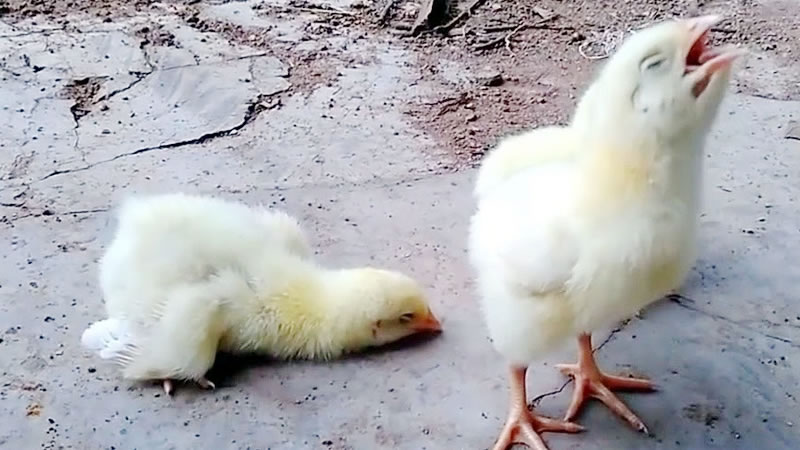
The disease affects chickens worldwide and is especially dangerous in young birds between 3 and 30 weeks old.
What Causes Marek’s Disease?
Marek’s Disease is caused by a herpesvirus that spreads mainly through infected feather dust, dander, contaminated equipment, clothing, and direct exposure to infected chickens.
Unlike some poultry diseases, Marek’s is not commonly transmitted through eggs from hen to chick.
Instead, the virus spreads through the air.
Infected chickens release microscopic virus particles from feather follicles and skin dander. Once these particles become airborne, healthy birds inhale them.
The virus can survive in chicken houses, bedding, dust, and coop surfaces for months.
Common transmission sources include:
- Feather dust and dander
- Contaminated clothing and shoes
- Feeders and waterers
- Shared equipment
- Introducing infected chickens into the flock
- Poor coop sanitation
Because the virus spreads so easily, outbreaks can happen very quickly in crowded or poorly managed flocks.
How Marek’s Disease Affects Chickens
The virus attacks the nervous system, immune tissues, eyes, skin, and internal organs, often leading to paralysis and tumor formation.
Once inside the body, the virus begins multiplying in immune cells. Over time, it can damage nerves and trigger abnormal tumor growth in different organs.
Some chickens die suddenly, while others slowly become weak and paralyzed.
The severity depends on several factors:
- Virus strain
- Chicken breed
- Age of exposure
- Vaccination status
- Overall flock health
Symptoms of Marek’s Disease
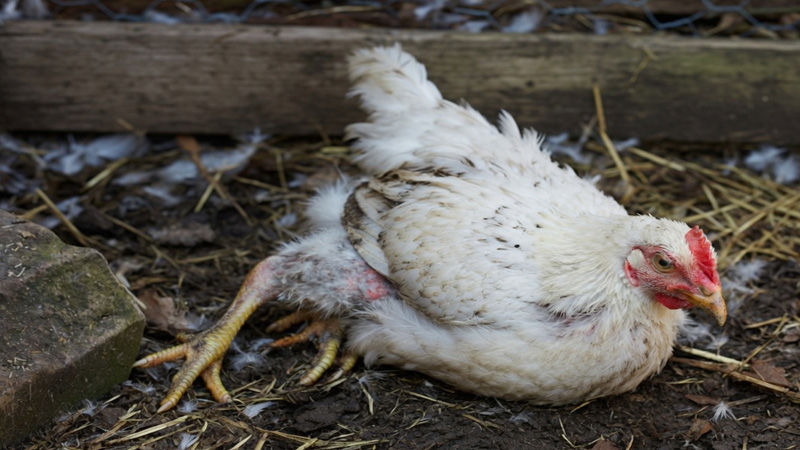
Common signs of Marek’s Disease include leg paralysis, twisted neck, blindness, weight loss, weakness, and reduced egg production.
Symptoms do not always appear immediately after infection. Some birds carry the virus for weeks before visible problems start.
- Paralysis of legs, wings, or neck
- Difficulty standing or walking
- One leg stretched forward and one backward
- Weight loss despite eating
- Loss of appetite
- Blindness or gray eyes
- Irregular pupils
- Weakness and depression
- Reduced egg production
- Tumors in organs
- Sudden death
Some infected chickens become extremely thin before dying.
Others may simply stop moving normally and remain sitting most of the time.
The Four Forms of Marek’s Disease
Marek’s Disease has four major forms, and each affects chickens differently.
Neurological Form
This is the most recognized form.
The virus attacks nerves, especially in the legs and wings, causing paralysis and coordination problems.
Visceral Form
This form causes tumors in internal organs such as:
- Liver
- Spleen
- Heart
- Lungs
- Kidneys
Birds with visceral Marek’s often lose weight rapidly.
Ocular Form
The virus affects the eyes and may cause blindness.
Eye color sometimes changes to gray or cloudy, and pupils can become uneven in shape.
Cutaneous Form
This less common form affects feather follicles and skin tissues.
Small raised nodules may appear around feather areas.
Marek’s Disease vs Lymphoid Leukosis
Marek’s Disease and Lymphoid Leukosis both cause tumors in chickens, but Marek’s usually affects younger birds and commonly causes paralysis.
Lymphoid Leukosis mostly appears in adult chickens and mainly targets internal organs without severe nerve involvement.
Because symptoms can overlap, laboratory testing or necropsy examinations are often needed for accurate diagnosis.
Is There a Cure for Marek’s Disease?
There is currently no cure or antiviral treatment for Marek’s Disease in chickens.
Once a chicken becomes infected, the virus stays in the body for life.
Supportive care may help reduce stress temporarily, but severely affected birds usually do not recover fully.
Many flock owners isolate or humanely cull sick birds to reduce suffering and limit virus spread.
Can Vaccination Prevent Marek’s Disease?
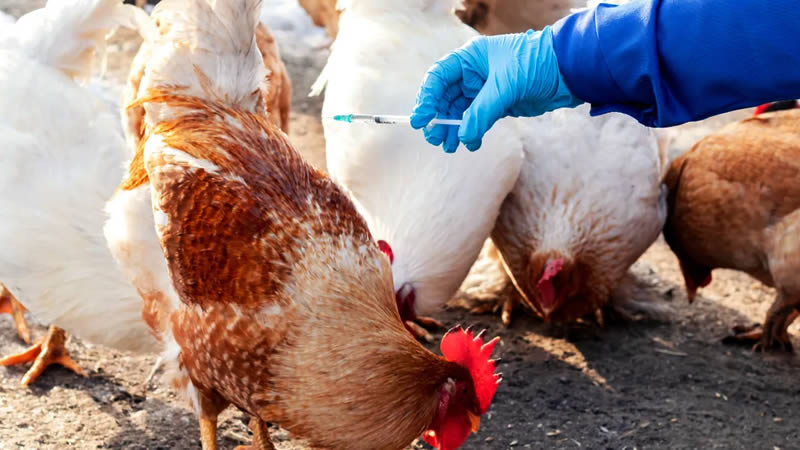
Vaccination is currently the best protection against Marek’s Disease, although it does not completely stop infection or virus shedding.
This part confuses many beginners.
The vaccine helps prevent tumor development and severe disease, but vaccinated chickens can still carry and spread the virus.
That means vaccination reduces losses significantly, but biosecurity still matters.
Most hatcheries vaccinate chicks shortly after hatching.
Vaccination works best before chicks are exposed to contaminated environments.
How to Prevent Marek’s Disease in Your Flock
Strong biosecurity and vaccination are the most effective ways to protect chickens from Marek’s Disease.
Buy Chicks From Trusted Hatcheries
Purchase birds only from reputable breeders or hatcheries with good disease management practices.
Vaccinated chicks are strongly recommended.
Quarantine New Birds
New chickens should be isolated for at least 2 to 4 weeks before joining the flock.
This helps reduce the risk of bringing hidden infections into the coop.
Keep the Coop Clean
Regularly remove dust, old feathers, dirty bedding, and manure buildup.
Marek’s virus survives well in dusty environments.
Limit Visitor Contamination
The virus can travel through shoes, tools, cages, and clothing.
If possible, avoid sharing equipment with other poultry owners without proper disinfection.
Reduce Stress in Chickens
Stress weakens immunity and may worsen disease progression.
Provide proper nutrition, ventilation, clean water, and enough coop space.
Can Humans Catch Marek’s Disease?
No, Marek’s Disease does not infect humans.
According to current scientific understanding, the virus only affects chickens and certain birds.
Meat and eggs from infected chickens are generally considered safe for human consumption, although many poultry owners still avoid consuming visibly sick birds.
Conclusion
Marek’s Disease remains one of the most serious viral diseases affecting chickens worldwide because of its ability to spread rapidly, weaken immunity, and cause paralysis and tumors.
The difficult part is that infected birds may appear healthy while already spreading the virus around the coop.
Since there is no cure, prevention becomes extremely important. Vaccinating chicks early, maintaining good sanitation, quarantining new birds, and practicing strict biosecurity can greatly reduce the chances of a devastating outbreak.
For backyard chicken keepers and poultry farmers alike, staying proactive is far easier than dealing with a flock-wide infection later on.