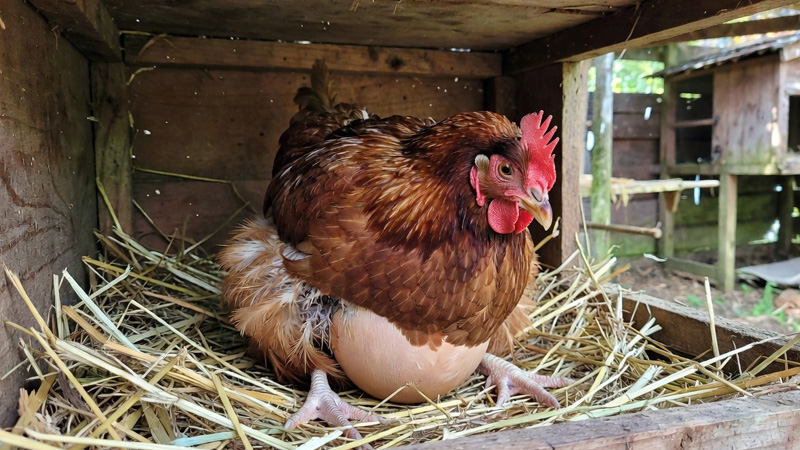
Has one of your hens suddenly stopped laying eggs, started acting strangely, or spent hours in the nesting box without producing an egg? While several health issues can cause these signs, one condition that requires immediate attention is egg binding.
Egg binding occurs when a hen is unable to lay an egg that has formed inside her reproductive tract. Although it is relatively uncommon, it can quickly become life-threatening if not addressed. The longer the egg remains trapped, the greater the risk of infection, internal damage, and even death.
Understanding the warning signs, possible causes, treatment options, and prevention methods can help you respond quickly and improve your hen’s chances of recovery.
Table of Contents
What Is Egg Binding in Chickens?
Egg binding is a condition in which an egg becomes stuck inside a hen’s reproductive system and cannot be laid normally. The trapped egg may place pressure on internal organs and surrounding tissues, causing discomfort and serious health complications.
In severe cases, the egg may crack inside the hen, leading to infection and inflammation. Without prompt treatment, the condition can become fatal.
Most healthy hens produce an egg approximately every 24 to 26 hours. While many factors can temporarily reduce egg production, egg binding should always be considered an emergency when a hen shows obvious signs of distress.
How Chickens Produce Eggs
Understanding how eggs are formed helps explain why egg binding occurs.
A hen releases a yolk from her ovary during ovulation. The yolk then travels through the oviduct, where layers of egg white, membranes, and eventually the shell are added. Shell formation takes the longest time, often around 20 hours.
Once the egg is fully formed, it moves toward the cloaca and is laid. Shortly afterward, the process begins again for the next egg.
Any disruption along this pathway can make it difficult for the hen to pass the egg successfully.
Common Symptoms of Egg Binding
Detecting egg binding can be challenging because some symptoms resemble those of other poultry illnesses. However, several warning signs commonly appear.
- Loss of appetite
- Reduced water consumption
- Visible abdominal swelling
- Frequent straining
- Panting while sitting in the nesting box
- Pale comb and wattles
- Lethargy and weakness
- Fluffed-up feathers
- Large wet droppings or diarrhea
- Difficulty passing droppings
- Walking like a penguin
- Tail pumping
- Difficulty walking
- Lameness or leg weakness
- Repeated visits to the nesting box without laying
These symptoms may develop gradually or appear suddenly. Young pullets laying their first eggs and older hens are often more susceptible.
Can Egg Binding Cause a Prolapsed Vent?
Yes. In some cases, an egg-bound hen may develop a prolapsed vent.
This happens when the tissues involved in laying become pushed outward due to excessive straining. Large eggs, double-yolk eggs, and difficult laying conditions can increase the risk.
A prolapsed vent requires immediate attention because exposed tissue can become damaged, infected, or pecked by other chickens.
What Causes Egg Binding in Chickens?
Several factors can contribute to egg binding. Often, more than one issue is involved.
Oversized or Abnormally Shaped Eggs
Double-yolk eggs, unusually large eggs, and misshapen eggs may be difficult for the reproductive tract to pass.
Calcium Deficiency
Calcium is essential for muscle contractions and strong eggshell formation. A deficiency may weaken the hen’s ability to expel an egg.
Poor Nutrition
Hens fed excessive treats or low-quality diets may not receive the nutrients needed for healthy egg production.
Obesity
Overweight hens often have reduced muscle tone and may struggle during egg laying.
Premature Egg Production
Pullets forced into laying too early may not be physically mature enough to pass eggs comfortably.
Oviduct Infections
Inflammation and infections of the reproductive tract can interfere with normal egg movement.
Genetic Factors
Some hens inherit reproductive abnormalities that increase their risk of egg-binding episodes.
Age-Related Weakness
Older hens may experience weakening muscles, making egg laying more difficult.
Parasites and Disease
Internal parasites and chronic illnesses can negatively affect overall reproductive health.
Inadequate Nesting Conditions
Stress, overcrowding, or poor nesting environments may encourage hens to delay laying, increasing complications.
When to Contact a Veterinarian
If your hen appears severely distressed, cannot stand, or has been struggling for many hours, veterinary assistance is strongly recommended.
A poultry veterinarian may be able to safely remove the egg, drain it, or perform surgery in severe cases. Professional treatment is often the safest option, especially when the egg cannot be easily reached.
How to Treat Egg Binding at Home
Mild cases can sometimes be managed at home if recognized early. However, great care must be taken to avoid injury.
1. Confirm the Presence of an Egg
Wearing clean gloves, gently examine the hen. In some cases, an egg may be felt near the vent. Never force your fingers deeply or apply excessive pressure.
2. Provide a Warm Epsom Salt Bath
Fill a container with warm water and dissolve Epsom salt according to package directions. Allow the hen to soak for 15 to 20 minutes.
The warmth helps relax muscles and may assist with egg passage.
3. Create a Quiet Recovery Area
After the bath, dry the hen carefully and place her in a warm, dark, and quiet location.
Reducing stress often encourages the laying process to continue naturally.
4. Monitor Closely
Observe the hen over the next several hours. Some hens successfully pass the egg without further intervention.
5. Seek Professional Help if Necessary
If the egg is not passed or the hen’s condition worsens, contact a veterinarian immediately. Attempting advanced egg removal procedures without experience can cause serious internal injuries.
How to Prevent Egg Binding
While not every case can be prevented, proper flock management greatly reduces the risk.
Provide a Balanced Diet
Feed a quality layer ration containing appropriate levels of protein, vitamins, minerals, and calcium. Oyster shell can be offered separately to laying hens as an additional calcium source.
Maintain Healthy Body Weight
Avoid excessive treats and encourage normal activity levels to prevent obesity.
Ensure Constant Access to Fresh Water
Dehydration can contribute to reproductive problems and overall health issues.
Keep the Coop Clean
Good sanitation reduces exposure to disease-causing organisms and parasites.
Provide Adequate Nesting Space
Comfortable nesting boxes help hens lay eggs without unnecessary stress.
Avoid Artificial Lighting for Young Pullets
Forcing pullets to lay before they are physically mature can increase the risk of reproductive complications, including egg binding.
Conclusion
Egg binding in chickens is a serious condition that should never be ignored. Although it is relatively rare, it can quickly become a medical emergency when a hen cannot pass an egg.
Recognizing the symptoms early, providing proper nutrition, maintaining a healthy environment, and seeking prompt treatment when necessary can make a significant difference. Careful observation remains one of the best tools a chicken keeper has for protecting the health and well-being of their flock.