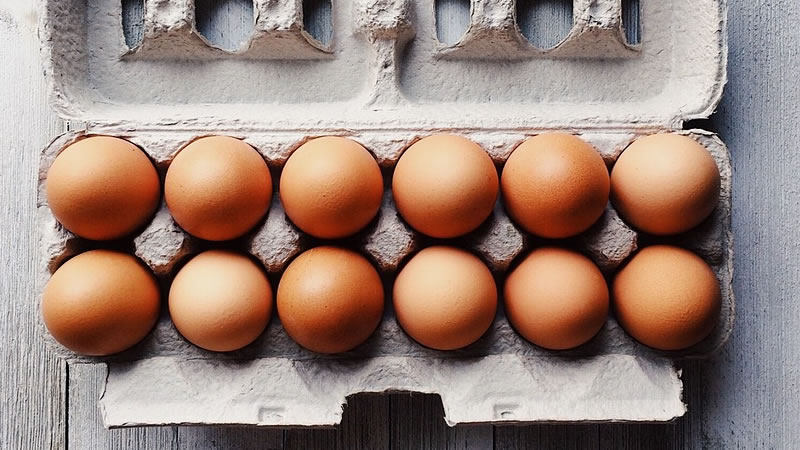
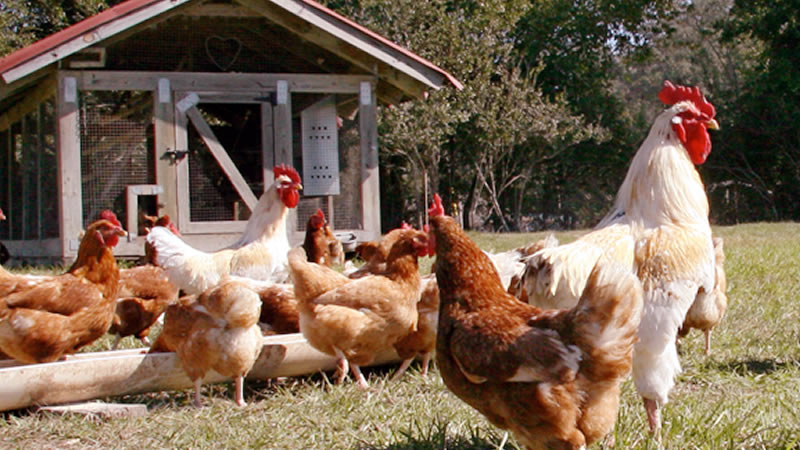
Collecting chicken eggs properly is essential for maintaining freshness, hygiene, and high egg quality. After months of raising hens, eggs are one of the most rewarding outcomes of backyard poultry farming. However, how you collect, handle, and store eggs directly affects their quality and safety.
To ensure you get the best results, it is important to understand what makes a high-quality egg and the correct methods for collecting and storing them.
Table of Contents
How to Identify High-Quality Fresh Eggs
Before collecting eggs, you should know the characteristics of a fresh and healthy egg:
- Eggshell is hard, smooth, and strong
- Egg white (albumen) is thick and firm
- Yolk is round, centered, and free from blood spots
- No cracks or deformities in the shell
Weak or thin eggshells are often caused by calcium deficiency, poor nutrition, or lack of Vitamin D exposure. Feed quality plays a major role in egg production and shell strength.
Best Time to Collect Chicken Eggs
Hens typically lay eggs in the morning, making early collection the most effective strategy. Eggs should ideally be collected at least twice a day to prevent damage, contamination, or brooding behavior.
Leaving eggs in the nest too long may encourage hens to become broody or cause eggs to get dirty or broken.
How to Collect Chicken Eggs Properly
Proper egg collection helps maintain hygiene and reduces breakage.
- Wash hands before handling eggs
- Collect eggs gently to avoid cracking
- Separate clean and dirty eggs immediately
- Use a basket or ventilated container for airflow
Avoid rough handling, as even small cracks can lead to contamination and reduced shelf life.
Cleaning and Handling Eggs
If eggs are dirty, clean them carefully using warm water and mild detergent. Always dry them properly before storage.
Maintain a clean environment and avoid leaving eggs exposed to heat or sunlight for long periods.
Ideal Temperature and Storage Conditions
Eggs should be stored under proper environmental conditions to maintain freshness:
- Temperature: around 50°F (10°C)
- Humidity: approximately 70%
Use ventilated containers such as wire baskets or plastic trays to allow airflow and cooling.
How to Store Chicken Eggs for Long-Term Use
For short-term storage, keep eggs in a cool, dry place. For longer storage, refrigeration is recommended.
- Store eggs in cartons or sealed containers
- Keep away from strong-smelling foods (garlic, onions, etc.)
- Place eggs with the pointed end facing downward
Eggs stored in refrigerators may absorb odors if not properly sealed.
Freezing Chicken Eggs
Egg whites can be frozen safely, while yolks require mixing with salt or sugar to prevent gel formation. Frozen eggs remain nutritious and can be used for cooking after thawing.
Always thaw eggs completely before use and avoid beating them before they are fully defrosted.
Conclusion
Proper egg collection and storage techniques are essential for maintaining freshness, safety, and nutritional value. By collecting eggs regularly, handling them with care, and storing them correctly, you can significantly improve egg quality and reduce waste in your backyard poultry system.