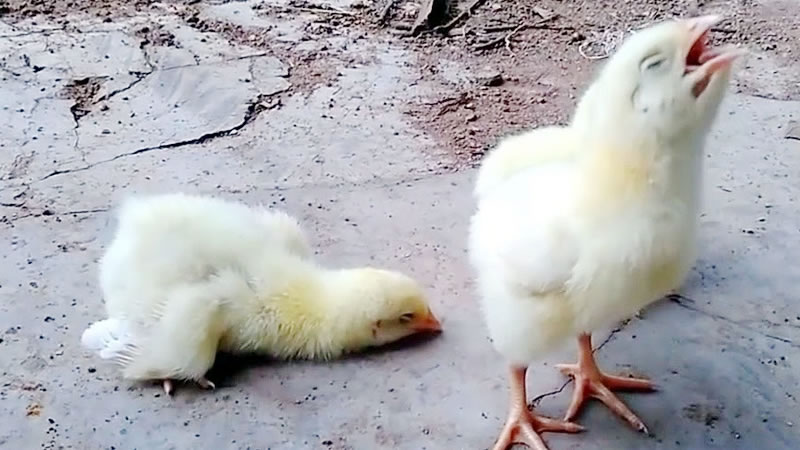
Botulism in chickens, also known as limberneck, is a rare but highly fatal toxic condition caused by the bacterium Clostridium botulinum. This disease affects poultry, mammals, and humans, and can lead to paralysis and sudden death if not addressed immediately.
This guide explains the causes, symptoms, diagnosis, treatment options, and prevention strategies for botulism in chickens.
Table of Contents
What Causes Botulism in Chickens?
Botulism occurs when chickens ingest toxins produced by Clostridium botulinum, a bacterium commonly found in decaying organic matter.
Common sources of contamination include:
- Rotting meat, carcasses, or animal remains
- Spoiled feed or food waste
- Stagnant or contaminated water
- Decomposing vegetation
Unlike infectious diseases, botulism is not transmitted from one chicken to another. However, if multiple birds consume the same contaminated source, an outbreak can affect the entire flock.
How Botulism Affects Chickens
Once ingested, the toxin is absorbed through the digestive system and enters the bloodstream. It attacks the nervous system, causing progressive paralysis.
This paralysis often begins in the neck and spreads throughout the body.
Symptoms of Botulism in Chickens
Signs of botulism typically appear quickly and worsen over time. Common symptoms include:
- Weakness and inability to stand
- Paralysis of the neck (“limberneck”)
- Difficulty swallowing
- Labored breathing or suffocation
- Blurred vision and reduced coordination
- Lying down with little or no movement
In severe cases, affected chickens may be found dead without visible signs of struggle.
Can Botulism Be Treated?
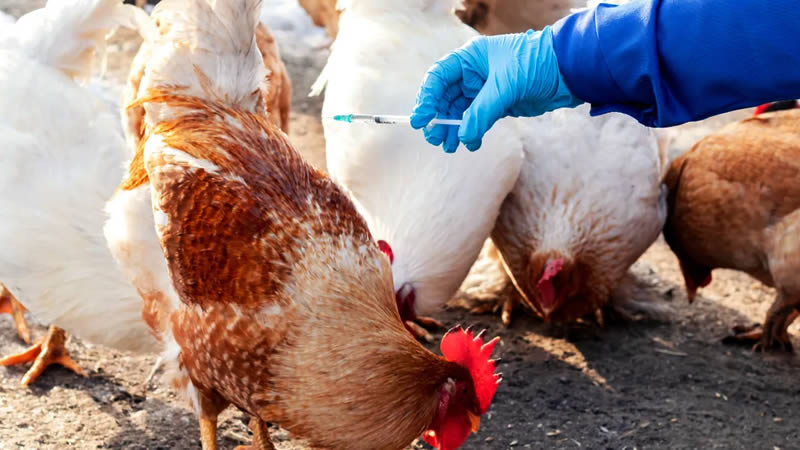
There is no direct cure for botulism in chickens once the toxin has taken effect. However, early intervention may improve survival chances.
- Remove access to contaminated food or water immediately
- Keep the bird in a clean, safe environment
- Avoid force-feeding if swallowing is impaired
If the toxin is expelled naturally and the bird regains strength, recovery may occur. However, lack of improvement within 24–48 hours often indicates a poor prognosis.
How to Prevent Botulism in Chickens
Prevention is the most effective strategy against botulism. Proper flock management and hygiene can significantly reduce risk.
1. Maintain Clean Feeding Practices
- Provide fresh, high-quality feed only
- Discard spoiled or moldy food immediately
2. Manage Waste and Carcasses
- Remove dead animals promptly
- Dispose of organic waste properly
3. Keep Water Sources Clean
- Clean waterers regularly
- Avoid stagnant or contaminated water
4. Improve Coop Hygiene
- Clean and disinfect housing areas frequently
- Prevent buildup of decaying material
Conclusion
Botulism in chickens is a serious but preventable condition caused by toxins in contaminated food or water. While treatment options are limited, early detection and immediate action can improve outcomes.
By maintaining proper sanitation, providing fresh feed, and eliminating exposure to decaying matter, you can effectively protect your flock from limberneck and botulism poisoning.