Fowl pox is a slow-spreading viral disease that affects poultry, especially chickens and turkeys. It is caused by the avian poxvirus and can significantly impact flock health if not properly controlled.
The disease spreads through direct contact between infected and healthy birds, as well as indirectly through mosquitoes, making it a common problem in warm and humid environments.
Table of Contents
What Causes Fowl Pox in Chickens?
Fowl pox is caused by the avian poxvirus and is transmitted through multiple routes:
- Direct contact with infected birds
- Inhalation or ingestion of contaminated material
- Mosquito and insect bites
- Introduction of infected birds into an existing flock
The disease often spreads slowly but can persist in a flock for an extended period if not managed properly.
Types of Fowl Pox in Chickens
Fowl pox occurs in two main forms, each with different symptoms and severity:
Dry (Cutaneous) Fowl Pox
The dry form is the most common and less deadly. It is characterized by:
- Small wart-like lesions on unfeathered skin
- Scabs on the comb, wattles, eyelids, legs, and feet
- Reduced growth and mild discomfort
Wet (Diphtheritic) Fowl Pox
The wet form is more severe and can lead to higher mortality rates. Symptoms include:
- Yellow plaques or lesions inside the mouth and throat
- Difficulty eating and breathing
- Severe weakness and weight loss
Symptoms of Fowl Pox in Chickens
Common signs of infection include:
- Raised scabs or lesions on the skin
- Swollen or irritated comb and wattles
- Reduced feed intake
- Drop in egg production
- Respiratory distress (in wet form)
Fowl Pox Treatment and Prevention
There is currently no specific cure for fowl pox. Treatment focuses on supportive care and preventing secondary infections.
However, effective control measures are available:
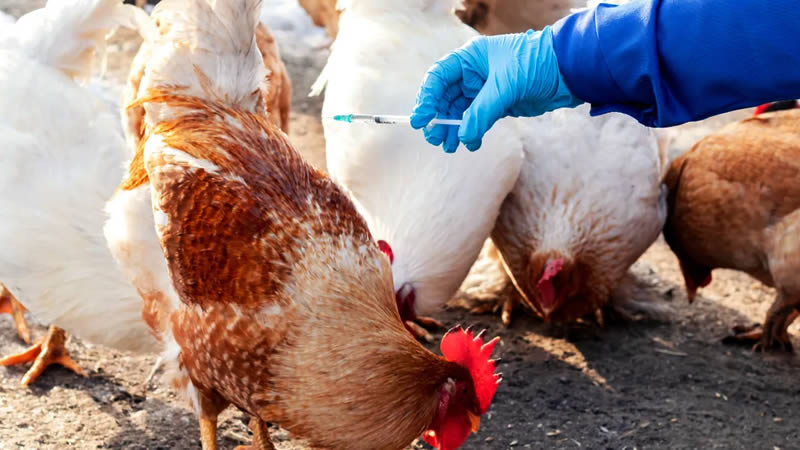
- Vaccination using approved fowl pox vaccines (such as ATCvet)
- Strict mosquito and insect control programs
- Isolation of infected birds
- Maintaining clean and dry housing conditions
The vaccine is a live virus vaccine and should only be administered to healthy birds under proper guidelines. Vaccination is one of the most effective ways to prevent outbreaks in poultry flocks.
Conclusion
Fowl pox is a manageable but persistent viral disease in chickens. While there is no direct cure, prevention through vaccination, biosecurity, and mosquito control is highly effective. Early detection and proper flock management are essential to reduce the impact of this disease on poultry health and productivity.