Fowl typhoid is a serious bacterial disease in poultry caused by Salmonella gallinarum. It primarily affects mature chickens and turkeys, but it can also infect ducks, guinea fowl, pheasants, peafowl, and quail. Although the disease has been largely controlled in commercial poultry operations, it still poses a risk to backyard and small-scale poultry keepers.
Table of Contents
What Causes Fowl Typhoid?
The disease is caused by the bacterium Salmonella gallinarum, which spreads easily in contaminated environments. Birds with brown eggshells are generally considered more susceptible compared to white egg-laying breeds.
Symptoms of Fowl Typhoid in Chickens
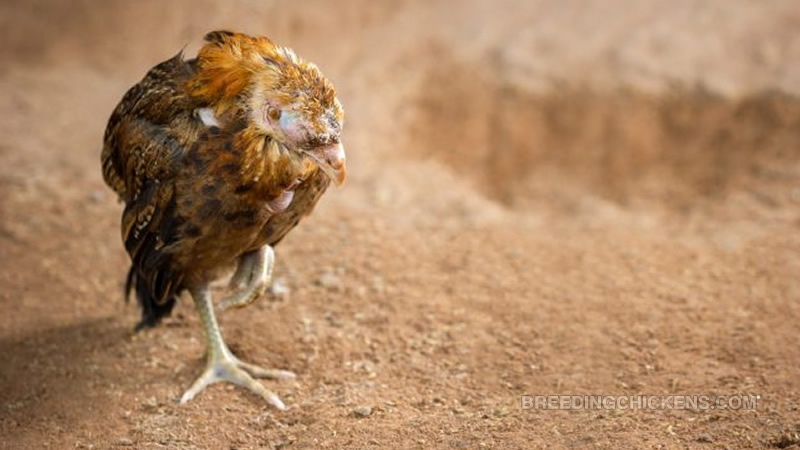
Fowl typhoid can appear in both acute and chronic forms, with symptoms varying in severity. Common signs include:
- Diarrhea
- Fever and weakness
- Pale combs and wattles
- Reduced appetite
- Slow growth and poor condition
In acute cases, the infection is often associated with septicemia and can lead to sudden death. Mortality rates may reach up to 90%, especially in young chicks.
In chronic cases, the disease progresses more slowly and may cause anemia and damage to internal organs such as the liver, intestines, heart, and pancreas.
How Fowl Typhoid Spreads
Fowl typhoid is highly transmissible and can spread through multiple routes:
- Vertical transmission through infected eggs
- Contaminated feed and drinking water
- Contact with infected birds
- Introduction of infected live poultry
Once introduced, the bacteria can persist in the environment and infect healthy birds quickly.
Prevention and Control of Fowl Typhoid
There is currently no widely recommended treatment for fowl typhoid, as infected birds often become carriers and continue spreading the disease.
Effective control relies on prevention and strict management practices:
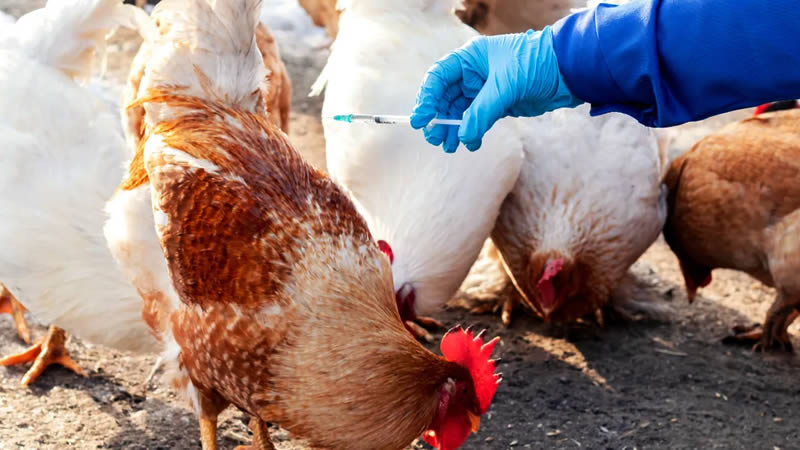
- Vaccinate poultry where applicable
- Maintain strict biosecurity measures
- Provide clean feed and uncontaminated water
- Avoid introducing birds from unknown or unverified sources
- Regularly clean and disinfect poultry housing
In some cases, antibiotics such as Neomycin may be added to feed under veterinary supervision to help control bacterial spread, but this does not eliminate carrier status.
Conclusion
Fowl typhoid remains a dangerous bacterial disease that can cause high mortality in poultry flocks. Early detection, strong biosecurity, and preventive vaccination are essential to protect your chickens and minimize economic losses. Backyard poultry keepers should remain especially vigilant, as the disease is still present in small-scale operations.