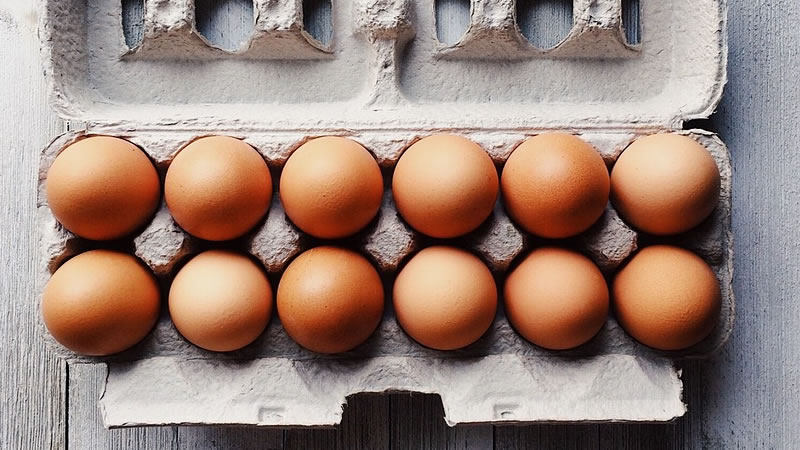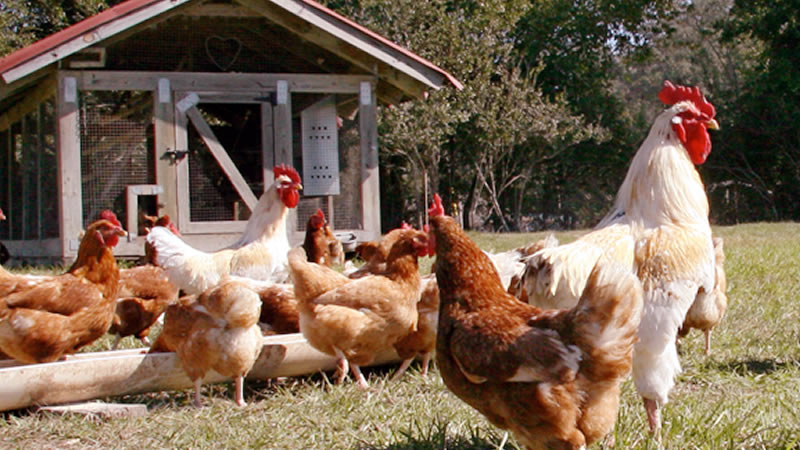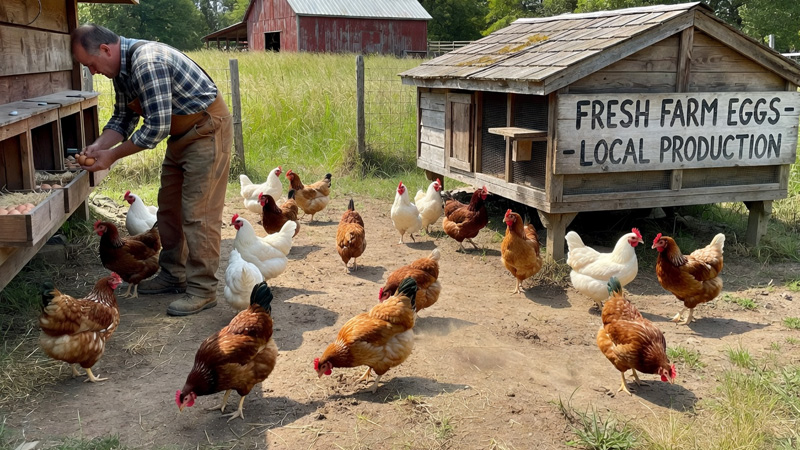
Eggs remain one of the most widely consumed and affordable protein sources in the world. Because of this, many people are becoming interested in raising chickens for egg production either as a small backyard project or a full-scale business.
Fresh eggs are always in demand, especially organic and free-range eggs. This creates an opportunity for poultry keepers to generate extra income or even build a long-term business.
However, profitable egg farming is not as simple as buying a few hens and collecting eggs every morning.
Like any business, success depends on planning, proper management, and understanding the costs involved. Before starting, you should learn how to choose the right chickens, care for them properly, and maximize egg production.
In general, egg farming involves three major stages:
- Buying chickens or chicks
- Raising them properly
- Encouraging consistent egg production
Here is a complete beginner-friendly guide to help you understand whether raising chickens for eggs can become a profitable business.
Table of Contents
- How to Choose the Right Chickens for Egg Production
- Choosing the Best Chicken Breed for Eggs
- How Many Chickens Should You Start With?
- Do You Need a Rooster?
- Housing Requirements for Egg-Laying Chickens
- What Should You Feed Egg-Laying Chickens?
- How Much Does It Cost to Raise Chickens for Eggs?
- How Many Eggs Can Chickens Produce Each Year?
- Can You Make Money Selling Eggs?
- Conclusion
How to Choose the Right Chickens for Egg Production
There are several ways to start your flock, and each option has advantages and disadvantages depending on your budget, experience, and goals.
Buying Adult Hens
Adult hens are chickens that are already mature and actively laying eggs.
This option allows you to start collecting eggs immediately, which can help generate faster income.
A healthy adult laying hen can produce up to 250 eggs per year depending on the breed and overall care.
However, mature hens are usually more expensive than younger birds. Since they are already older, they also have fewer productive years remaining.
Most hens live between 5 and 10 years, but their highest egg production usually happens during the first half of their lifespan.
Depending on the breed, adult laying hens may cost anywhere from $10 to over $100 each.
Buying Pullets
Pullets are young female chickens under one year old that have not fully started laying eggs yet.
Many poultry keepers prefer pullets because they still have most of their productive years ahead of them.
Although you must wait before they begin laying, pullets can provide strong long-term egg production.
You will also spend money feeding and raising them before they start producing eggs.
Pullets commonly cost between $15 and $50 depending on breed and age.
Buying Baby Chicks
Day-old chicks are usually the cheapest way to begin a flock.
Prices often range from $1 to $5 per chick depending on breed and quality.
Watching chicks grow into adult hens can be rewarding and educational. However, raising chicks requires extra time, heat management, vaccinations, and close monitoring.
Young chicks are more vulnerable to:
- Diseases
- Predators
- Temperature stress
- Feeding mistakes
You also need patience because chicks require several months before reaching laying age.
Buying Fertilized Eggs
Some people prefer starting from fertilized eggs so they can hatch and raise chickens from the very beginning.
This approach gives you full control over incubation and chick raising.
However, it also comes with more uncertainty.
Not all fertilized eggs hatch successfully, and some sellers may incorrectly advertise eggs as fertile.
You also cannot guarantee how many female chicks you will get after hatching.
For beginners, fertilized eggs often require the most patience and hands-on work.
Choosing the Best Chicken Breed for Eggs
Some chicken breeds are much better egg layers than others.
Before choosing a breed, consider:
- Egg production rate
- Temperament
- Climate tolerance
- Available space
- Feed consumption
If you have limited space, bantam breeds may work better because they are smaller.
For beginners, calm and friendly breeds are often easier to manage.
Popular egg-laying breeds include:
- Leghorn
- Rhode Island Red
- Plymouth Rock
- Australorp
- Lohmann Brown
- Golden Comet
These chickens are known for reliable egg production and generally manageable behavior.
How Many Chickens Should You Start With?
Before buying chickens, check local laws and regulations in your area.
Some cities limit the number of hens allowed, while others prohibit roosters entirely.
For most beginners, starting with 3 to 5 hens is a practical choice.
This gives you enough eggs for learning and possible small-scale sales without becoming overwhelmed.
Once you gain experience, expanding your flock becomes much easier.
Do You Need a Rooster?
A rooster is not required for hens to lay eggs.
Hens produce eggs naturally whether a rooster is present or not.
You only need a rooster if you want fertilized eggs for hatching chicks.
Keeping multiple roosters together can create fighting and stress within the flock.
In many residential areas, roosters are restricted because of noise complaints, so always verify local regulations first.
Housing Requirements for Egg-Laying Chickens
Comfortable chickens usually produce eggs more consistently.
Providing proper housing is one of the most important investments in egg farming.
Chicken Coop
The chicken coop serves as the main shelter where chickens eat, rest, lay eggs, and stay protected from predators and weather.
Each chicken should ideally have:
- 2 to 3 square feet inside the coop
- 4 to 5 square feet in the outside run
Free-range chickens benefit from even more outdoor space.
Good ventilation, dry flooring, and predator protection are essential.
Feeders and Waterers
Chickens need continuous access to feed and clean water.
The size of feeders depends on flock size and feeding style.
Waterers should remain stable and difficult to tip over.
On average, a chicken may drink roughly 1 liter of water daily, especially during hot weather.
Dirty water can quickly spread diseases, so regular cleaning is important.
Roosting Bars
Chickens naturally prefer sleeping on elevated perches.
Each bird should have approximately 8 to 10 inches of roosting space.
Roosts should be smooth, stable, and positioned away from feeders and nesting boxes.
Nesting Boxes
Nesting boxes provide hens with a quiet and secure place to lay eggs.
One nesting box for every three hens is usually enough.
Soft bedding materials such as straw, pine shavings, or shredded paper help keep eggs clean and reduce breakage.
Incubators and Brooders
If you plan to hatch chicks, you will also need:
- An incubator for egg hatching
- A brooder for raising chicks safely
Baby chicks normally stay in a brooder for about six weeks until they become stronger and fully feathered.
What Should You Feed Egg-Laying Chickens?
Nutrition plays a major role in egg production.
An average chicken eats around 120 to 150 grams of feed daily.
Layer hens need balanced diets rich in:
- Protein
- Calcium
- Vitamins
- Minerals
Common chicken feeds include pellets, grains, and formulated layer feed.
Chickens also enjoy fruits, vegetables, insects, and worms.
Healthy treats may include:
- Watermelon
- Blueberries
- Strawberries
- Cabbage
- Leafy greens
Calcium sources like crushed oyster shells help maintain strong eggshells.
Grit is also important because chickens use it to grind food inside their gizzard.
However, some foods should never be fed to chickens including:
- Avocado
- Raw beans
- Rhubarb
- Excess onions and garlic
- Green potato skins
How Much Does It Cost to Raise Chickens for Eggs?
The startup cost of egg farming depends heavily on flock size, breed selection, equipment quality, and housing setup.
Some of the major expenses include:
- Buying chickens
- Chicken coop construction
- Feeders and waterers
- Chicken feed
- Incubators and brooders
- Medical care and supplements
A quality chicken coop alone may cost anywhere between $300 and $2,000 depending on size and materials.
Chicken feed is another ongoing expense. A 50-pound bag of feed commonly costs between $30 and $50.
On average, raising a laying hen may cost roughly $15 per month when accounting for feed, maintenance, and care.
As your flock grows larger, the overall cost per chicken may decrease slightly because some equipment expenses become shared across more birds.
How Many Eggs Can Chickens Produce Each Year?
A healthy laying hen can produce one egg approximately every 24 to 26 hours.
Depending on the breed, many hens lay between 200 and 300 eggs annually.
Some of the most productive egg-laying breeds include:
- Leghorn
- Australorp
- Golden Comet
- Lohmann Brown
- Rhode Island Red
Good management also improves production.
Factors that help encourage egg laying include:
- Proper lighting
- Comfortable temperatures
- Low stress
- Balanced nutrition
- Clean housing
Parasites, overcrowding, and predator stress can significantly reduce egg output.
Can You Make Money Selling Eggs?
Yes, raising chickens for egg production can become profitable, but profit margins depend heavily on management and market demand.
Organic, pasture-raised, and farm-fresh eggs often sell at higher prices than commercial supermarket eggs.
In many areas, farm-fresh eggs may sell for:
- $4 to $6 per dozen
- More for organic or specialty eggs
Fertilized eggs can also generate additional income for breeders and hobby farmers.
Beyond eggs, poultry keepers may also earn money from:
- Selling chicks
- Selling hens
- Selling chicken manure as fertilizer
- Selling meat birds
- Building and selling chicken coops
Still, profitability rarely happens overnight.
Feed costs, equipment, diseases, weather, and local competition all affect earnings.
Successful poultry owners usually combine proper management with patience, creativity, and consistent care.
Conclusion
Raising chickens for egg production can become a profitable and rewarding business when managed properly.
Fresh eggs remain in constant demand, and many consumers are willing to pay extra for healthy, locally produced eggs.
However, success requires more than simply collecting eggs every day.
Choosing the right breeds, providing proper housing, feeding chickens correctly, and managing expenses carefully all play major roles in long-term profitability.
For beginners, starting with a small flock is often the smartest approach. As your knowledge and confidence grow, expanding your operation becomes much easier and more sustainable.
With patience, proper planning, and good flock management, egg farming can eventually grow from a simple backyard hobby into a reliable source of income.