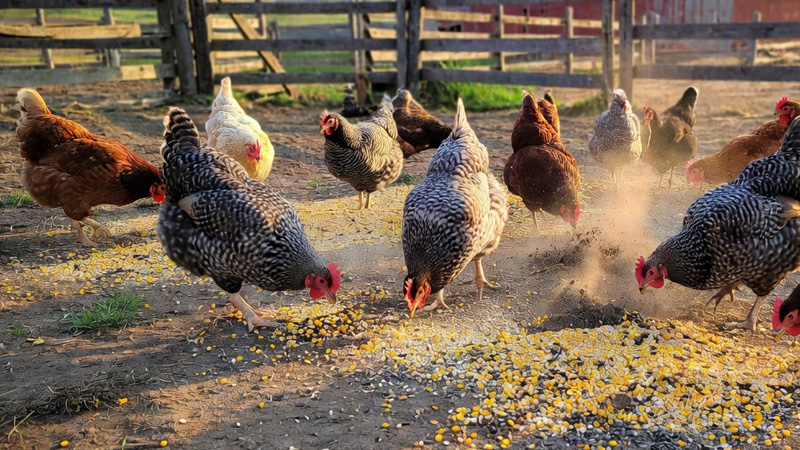
Chicken scratch is a grain-based treat for chickens made from mixed seeds and grains, but it should only make up around 10% of a chicken’s diet because it lacks the balanced nutrition found in regular chicken feed.
A lot of chicken owners treat scratch grains like junk food for poultry. Honestly, that comparison is not completely wrong.
Chickens absolutely love it though.
The moment they hear the bag shake, they usually come running fast like they already know treats are coming.
Still, feeding too much scratch can create problems over time. Poor nutrition, obesity, weak egg production, and reduced appetite for proper feed are some of the biggest issues.
That does not mean chicken scratch is bad. You just need to understand when to use it, how much to feed, and when to avoid it.
Table of Contents
- What Is Chicken Scratch?
- Chicken Scratch vs Chicken Feed
- Why Chickens Love Scratch Grains
- Benefits of Feeding Chicken Scratch
- Risks of Feeding Too Much Chicken Scratch
- How Much Chicken Scratch Should You Feed?
- When Is the Best Time to Feed Chicken Scratch?
- When You Should NOT Feed Chicken Scratch
- Different Types of Chicken Feed Explained
- Forms of Chicken Feed
- How to Make Homemade Chicken Scratch
- Healthier Alternatives to Chicken Scratch
- Conclusion
What Is Chicken Scratch?
Chicken scratch is a mixture of grains and seeds scattered on the ground to encourage chickens to scratch, forage, and stay active.
It is commonly sold in feed bags and often contains ingredients such as:
- Cracked corn
- Barley
- Oats
- Millet
- Milo
- Wheat
- Sunflower seeds
- Flax seeds
Some commercial blends vary depending on the manufacturer and season.
In simple terms, chicken scratch is more of a snack or treat than a complete meal.
People believe early farmers probably started feeding leftover grains to chickens instead of wasting them. Eventually, mixed scratch grains became a standard poultry treat.
Chicken Scratch vs Chicken Feed
The biggest difference between chicken scratch and chicken feed is nutrition.
Chicken feed is scientifically formulated to support growth, egg production, immunity, and overall health.
Scratch grains are not.
That’s why chickens should never live mainly on scratch alone.
Protein Difference
Most chicken scratch contains only around 8% to 10% protein.
Regular chicken feeds usually contain:
- 20% to 24% protein for starter feed
- 16% to 18% protein for grower feed
- 16% to 18% protein for layer feed
Protein matters because chickens need it for muscle growth, feather development, egg production, and overall health.
Calcium Difference
Chicken scratch contains very little calcium.
Layer feed contains additional calcium needed for strong eggshell production.
If laying hens eat too much scratch and not enough layer feed, shell quality can become weak over time.
Why Chickens Love Scratch Grains
Chicken scratch activates natural scratching and foraging instincts, which keeps chickens mentally active and physically busy.
Scratching behavior is normal for chickens.
They naturally dig through soil looking for seeds, insects, worms, and tiny food particles.
When you throw scratch on the ground, you encourage that behavior naturally.
Some chicken keepers even use scratch grains as entertainment during rainy days or when birds cannot free-range outside.
Benefits of Feeding Chicken Scratch
Although scratch grains are not complete nutrition, they still offer several practical benefits when fed properly.
Helps Chickens Stay Active
Scatter feeding encourages movement and exercise.
Instead of standing around bored, chickens spend time scratching and searching through bedding or soil.
Useful for Deep Litter Systems
Chicken scratch can help chickens mix bedding naturally in deep litter coops.
Many poultry keepers throw scratch into bedding to encourage chickens to turn the litter themselves.
That scratching action helps aerate the bedding and reduce compaction.
Can Help During Cold Weather
Digesting grains generates body heat.
Because of this, some flock owners give small amounts of scratch during winter evenings to help birds stay warmer overnight.
Not huge amounts though.
Too much can create nutritional imbalance.
Works as a Training Reward
Chickens learn surprisingly fast.
Many owners use scratch grains to:
- Train chickens to return to the coop
- Build trust with new birds
- Reward good behavior
- Guide flocks during free ranging
Most chickens quickly associate the sound of the feed container with treats.
Risks of Feeding Too Much Chicken Scratch
Excessive scratch feeding can lead to poor nutrition, obesity, weak egg production, and unhealthy chickens.
This is where problems usually start.
Chickens naturally prefer tasty treats over balanced feed. If given too much scratch, some birds begin ignoring their regular feed completely.
Malnutrition
Scratch grains do not contain balanced vitamins, minerals, or enough protein.
Over time, nutritional deficiencies may appear.
Obesity
High grain intake can make chickens overweight, especially inactive birds kept in small coops.
Obesity may reduce egg production and breeding performance.
Weak Eggshells
Because scratch lacks calcium, laying hens may eventually produce thinner eggshells if proper layer feed intake decreases.
Pest Attraction
Leftover scratch attracts:
- Rats
- Mice
- Wild birds
- Insects
Always remove uneaten grains after feeding.
How Much Chicken Scratch Should You Feed?
Chicken scratch should make up no more than 10% to 15% of a chicken’s total daily diet.
For an average adult chicken, this is usually around:
- 1 to 2 teaspoons per day
- Or only what they can finish within 15 to 20 minutes
Most adult chickens eat roughly 1/4 pound or about 110 grams of feed daily.
Scratch grains should remain only a small supplement, not the main food source.
When Is the Best Time to Feed Chicken Scratch?
Many poultry keepers feed scratch grains during colder evenings, training sessions, or while managing deep litter systems.
There’s no perfect universal schedule, honestly.
It depends on your flock and purpose.
Good Times to Feed Scratch
- Cold winter evenings
- During coop training
- For deep litter scratching activity
- As occasional treats
- During supervised free ranging
Some people also use scratch before bedtime to encourage chickens to return to the coop.
When You Should NOT Feed Chicken Scratch
There are situations where scratch feeding should be limited or avoided completely.
Baby Chicks Under 6 Weeks Old
Young chicks need high-protein starter feed for healthy growth.
Their digestive systems are not fully developed for scratch grains yet.
Too much scratch may cause digestive upset and poor development.
When Chickens Ignore Their Regular Feed
If chickens start refusing balanced feed because they prefer treats, cut back immediately.
When Birds Become Overweight
Heavy grain feeding can quickly create obesity problems in less active birds.
When Your Budget Is Tight
Scratch grains are optional.
If money is limited, it makes more sense to prioritize complete feed first.
Different Types of Chicken Feed Explained
Unlike scratch grains, complete chicken feed is formulated for different growth stages and production needs.
Starter Feed
Fed from hatch until around 6 weeks old.
Usually contains 20% to 24% protein for rapid growth.
Available in medicated and non-medicated versions.
Grower Feed
Used between 6 and 20 weeks of age.
Contains slightly lower protein levels than starter feed.
Layer Feed
Designed for laying hens.
Contains extra calcium and nutrients needed for egg production.
Forms of Chicken Feed
Pellets
Compact cylindrical feed that reduces waste and is easy to handle.
Crumbles
Small broken feed pieces often used for younger birds.
Mash
Loose, finely ground feed commonly used for chicks.
Shell Grit
Provides calcium and digestive support, especially for laying hens.
How to Make Homemade Chicken Scratch
Homemade chicken scratch is simple to prepare using mixed grains and seeds.
Common ingredients include:
- Cracked corn
- Barley
- Oats
- Milo
- Wheat
- Sunflower seeds
- Flax seeds
- Raisins
Mix the ingredients evenly and store them in a dry airtight container.
Some flock owners adjust recipes based on season or ingredient availability.
Healthier Alternatives to Chicken Scratch
Several alternative treats offer better nutrition while still keeping chickens active and happy.
Mealworms and Maggots
These provide much higher protein compared to scratch grains.
Chickens usually go crazy for dried mealworms.
Sprouted Grains
Sprouted seeds contain added nutrients and are excellent enrichment treats.
Kitchen Scraps
Safe leftovers such as:
- Vegetables
- Fruits
- Cooked oatmeal
- Peas
- Small egg pieces
can work well in moderation.
Avoid salty foods, processed foods, avocado skin, and spoiled leftovers.
Natural Bugs and Insects
Free-ranging chickens naturally hunt insects, which provide protein and enrichment at the same time.
Conclusion
Chicken scratch can be a useful treat and enrichment tool for chickens when fed occasionally and in moderation.
It encourages natural scratching behavior, helps during deep litter management, and can even support warmth during colder weather.
Still, scratch grains should never replace balanced chicken feed.
Too much can lead to obesity, poor nutrition, weak egg production, and unhealthy birds over time.
Used correctly though, chicken scratch becomes more than just a treat. It becomes a simple way to keep chickens active, entertained, and easier to manage.