Mycoplasma gallisepticum (MG) is one of the most common and difficult respiratory diseases in chickens, causing coughing, swollen sinuses, breathing problems, lower egg production, and long-term weakness in infected flocks.
Many poultry owners simply call it “MG” or chronic respiratory disease because once it enters a flock, it tends to stay there for a very long time.
What makes Mycoplasma frustrating is that infected chickens may look healthy at first while quietly spreading the organism to other birds. Then suddenly, birds start sneezing, breathing loudly, or developing swollen faces and watery eyes.
Even worse, MG weakens the immune system, making chickens more vulnerable to other serious poultry diseases.
While treatment can help control symptoms, there is currently no complete cure that permanently removes the infection from infected birds.
Table of Contents
- What Is Mycoplasma Gallisepticum?
- What Causes Mycoplasma in Chickens?
- Why MG Is Dangerous to Chickens
- Symptoms of Mycoplasma in Chickens
- How Mycoplasma Spreads Through a Flock
- Can Humans Catch Mycoplasma From Chickens?
- Is There a Cure for Mycoplasma in Chickens?
- Treatment for Mycoplasma in Chickens
- How to Prevent Mycoplasma in Chickens
- Should Infected Chickens Be Removed From the Flock?
- Conclusion
What Is Mycoplasma Gallisepticum?
Mycoplasma gallisepticum is a contagious respiratory disease organism that affects chickens, turkeys, pigeons, ducks, peafowl, and several other bird species.
Technically, Mycoplasma is not exactly a virus or a typical bacterium.
It sits somewhere in between.
Unlike normal bacteria, mycoplasmas do not have a true cell wall. Because of this, many common antibiotics that attack bacterial cell walls become less effective against them.
This is one reason why MG infections are so difficult to eliminate completely.
In the poultry industry, MG is considered one of the most economically damaging respiratory diseases because it affects growth, feed conversion, egg production, and overall flock performance.
What Causes Mycoplasma in Chickens?
Mycoplasma gallisepticum infection is caused by direct exposure to infected birds, contaminated respiratory droplets, eggs, equipment, dust, or surfaces carrying the organism.
The disease spreads very easily in crowded poultry environments.
Infected hens can even pass the organism directly into eggs, allowing newly hatched chicks to carry the infection from birth.
MG spreads through:
- Respiratory secretions
- Coughing and sneezing
- Contaminated feeders and drinkers
- Dust and feather particles
- Dirty clothing and shoes
- Shared cages and equipment
- Infected eggs from breeder hens
The organism survives longer in damp environments, chicken manure, wet litter, and dirty coop surfaces.
Still, outside a host, Mycoplasma usually dies within several days under dry conditions.
Why MG Is Dangerous to Chickens
Mycoplasma weakens the respiratory and immune systems, making chickens more vulnerable to secondary infections and severe respiratory complications.
This part is what causes the biggest problems in many flocks.
MG alone may cause mild respiratory symptoms in some birds, but once combined with diseases like:
- Newcastle Disease
- Infectious Bronchitis
- E. coli infections
- Avian Influenza
the condition can become much more severe.
Secondary infections often increase mortality rates and make recovery slower.
Symptoms of Mycoplasma in Chickens
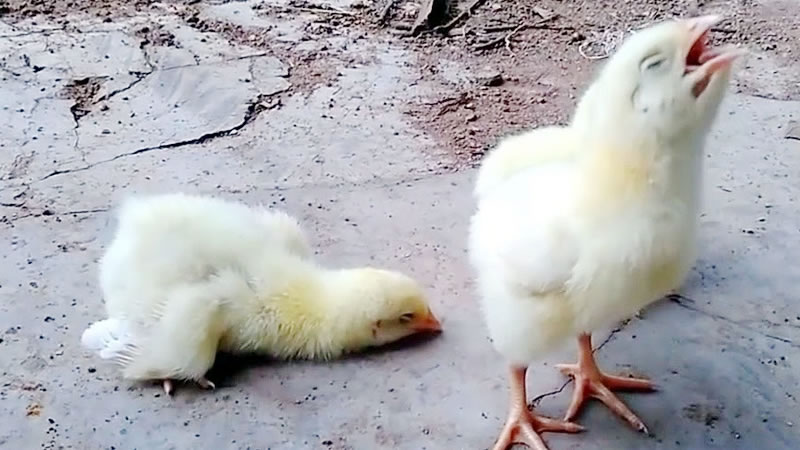
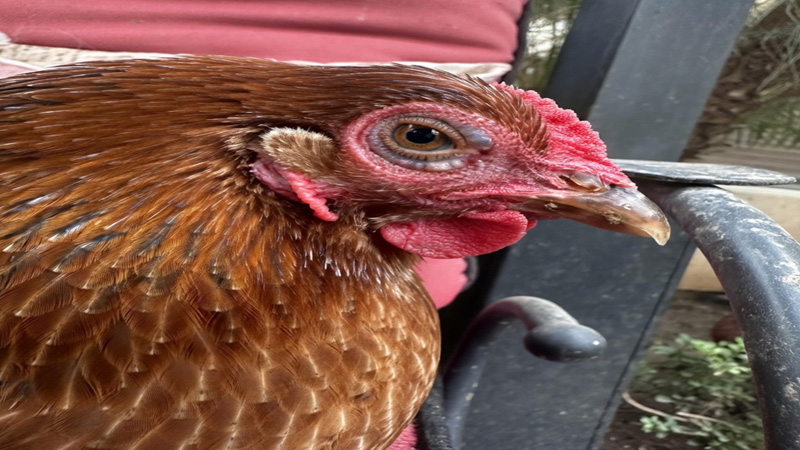
Common signs of Mycoplasma infection include coughing, sneezing, facial swelling, watery eyes, noisy breathing, reduced appetite, and lower egg production.
Symptoms may appear slowly and sometimes remain mild in early stages.
- Coughing and sneezing
- Rattling or noisy breathing
- Swollen sinuses
- Foamy or watery eyes
- Nasal discharge
- Difficulty breathing
- Reduced feed intake
- Weight loss
- Drop in egg production
- Lethargy and weakness
Some chickens breathe with their mouths open when the respiratory system becomes heavily affected.
In severe cases, birds may become extremely thin and weak.
How Mycoplasma Spreads Through a Flock
MG spreads rapidly in close-contact environments where chickens share airspace, feeders, waterers, and bedding.
Poor ventilation increases the risk dramatically because respiratory droplets remain trapped inside the coop.
Stress also plays a major role.
Overcrowding, sudden weather changes, poor nutrition, transport stress, and dirty housing can weaken immunity and trigger outbreaks.
Sometimes chickens carry MG quietly for months before symptoms suddenly appear during stressful periods.
Can Humans Catch Mycoplasma From Chickens?
Mycoplasma gallisepticum primarily affects birds and is not considered a common infection risk to humans.
Still, proper hygiene should always be practiced when handling sick chickens or cleaning poultry housing.
Wash hands thoroughly and disinfect equipment regularly.
Is There a Cure for Mycoplasma in Chickens?
There is no complete cure that fully removes Mycoplasma gallisepticum from infected chickens.
This surprises many new poultry keepers.
Even after treatment, infected birds may continue carrying the organism and spreading it to others.
What treatment mainly does is reduce symptoms and lower bacterial activity to manageable levels.
Treatment for Mycoplasma in Chickens
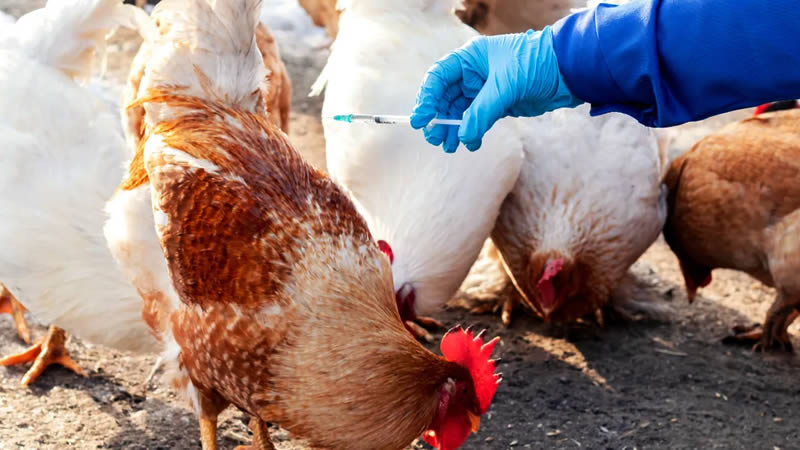
Antibiotics may help control Mycoplasma symptoms and reduce flock losses, but they usually do not eliminate the infection entirely.
Veterinarians commonly prescribe antibiotics such as:
- Tylosin
- Tetracyclines
- Tiamulin
- Doxycycline
However, treatment effectiveness depends on:
- Severity of infection
- Secondary diseases present
- Age of birds
- Flock management conditions
Supportive care also helps infected birds recover better.
Supportive Care Includes:
- Clean fresh water
- Good ventilation
- Dry bedding
- Reduced stress
- Nutritious feed
- Isolation of severely sick birds
Some flock owners choose to cull chronically infected birds to protect healthier chickens.
How to Prevent Mycoplasma in Chickens
Strong biosecurity and careful flock management are the best defenses against Mycoplasma outbreaks.
Buy Birds From Reputable Sources
Always purchase chicks or breeding stock from trusted hatcheries and breeders with disease-monitoring programs.
Avoid buying birds from unknown or unhealthy flocks.
Quarantine New Chickens
New birds should be isolated for at least 2 to 4 weeks before introducing them to the flock.
This allows time to monitor for hidden respiratory symptoms.
Maintain Proper Ventilation
Fresh airflow helps reduce moisture, dust, and respiratory irritation inside the coop.
Poor airflow increases disease spread significantly.
Keep the Coop Clean and Dry
Wet bedding and dirty housing encourage respiratory problems.
Clean waterers, feeders, nesting areas, and litter regularly.
Reduce Stress
Stress weakens immunity and increases the chance of outbreaks.
Avoid overcrowding and sudden environmental changes whenever possible.
Should Infected Chickens Be Removed From the Flock?
Chronically infected chickens may continue spreading MG even after symptoms improve.
This creates difficult decisions for flock owners.
Some choose lifelong management of infected birds, while others remove infected chickens entirely to maintain a cleaner flock.
The best option often depends on the size of the flock, breeding goals, and overall disease severity.
Conclusion
Mycoplasma gallisepticum is a highly contagious respiratory disease that can quietly spread through a flock and cause long-term health and production problems in chickens.
One of the hardest parts about MG is that infected birds may never fully clear the organism, even after treatment.
Because of this, prevention matters far more than treatment alone. Good biosecurity, proper ventilation, clean housing, quarantine procedures, and purchasing healthy birds from reliable sources can greatly reduce the risk of infection.
For poultry keepers, staying alert to early respiratory signs can help prevent a small issue from turning into a flock-wide outbreak later on.