
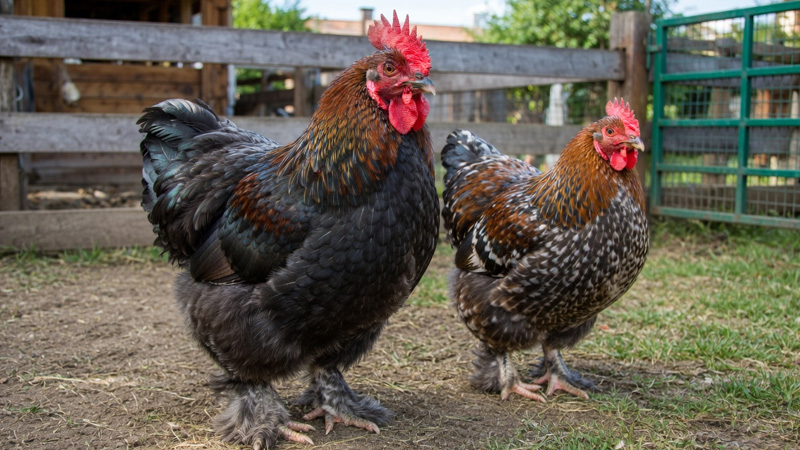
The Cochin chicken is a huge fluffy backyard breed that usually weighs 8 to 11 pounds, lays around 150 to 180 eggs yearly, and is mostly raised because of its calm personality and unique feathered appearance.
People don’t usually buy Cochins because they expect heavy egg baskets every morning. That’s not really why this breed became popular. Most owners keep them because they’re funny to watch, easy to handle, and honestly look more like walking feather balls than chickens.
Once you see one casually waddling around the yard with feathers covering almost everything down to the toes, it makes sense why so many backyard chicken keepers get attached to them fast.
They’re quiet compared to many breeds. Friendly too. Even the roosters are often surprisingly gentle.
Table of Contents
- Where Did Cochin Chickens Come From?
- What Does a Cochin Chicken Look Like?
- How Friendly Are Cochin Chickens?
- How Many Eggs Do Cochin Chickens Lay?
- Are Cochin Chickens Good for Meat?
- Common Problems With Cochin Chickens
- How to Care for Cochin Chickens
- Pros of Raising Cochin Chickens
- Cons of Raising Cochin Chickens
- Is the Cochin Chicken Worth Raising?
Where Did Cochin Chickens Come From?
Cochin chickens became internationally famous during the mid-1800s after Queen Victoria started raising them, helping trigger the “hen fever” craze in Britain and America.
The breed originally came from Asia. Some old records point to China while others mention Vietnam through French trading routes. Back then, they were often called “Cochin-China” chickens or sometimes Shanghai birds.
The old version of the Cochin looked different though. Taller body. Less fluff. More practical as a meat bird.
Over time, breeders focused more on appearance and temperament instead of production. So modern Cochins became softer, fluffier, and calmer. Egg and meat performance slowly became less important.
Still, they remained one of the most recognizable ornamental chicken breeds in the world.
What Does a Cochin Chicken Look Like?
Standard Cochin roosters can reach 11 pounds while hens usually stay around 8 to 9 pounds, making them one of the largest feather-footed chicken breeds.
The first thing people notice is the feathers. There are feathers everywhere.
The legs are feathered. The feet too. Even the outer toes look furry. Sometimes they appear larger than they really are because the plumage is ridiculously thick.
Most Cochins have:
- Single red comb
- Yellow skin and legs
- Golden or orange eyes
- Rounded body shape
- Very fluffy tail feathers
- Heavy feathering from head to toe
In the United States, recognized Cochin colors include:
- Buff
- Black
- Blue
- White
- Partridge
- Silver-laced
- Gold-laced
- Brown
White Cochins are usually easier to find than the rarer patterned varieties.
There are also frizzle Cochins. Their feathers curl outward instead of laying flat, making them look permanently windblown.
How Friendly Are Cochin Chickens?
Cochin chickens are considered one of the calmest and most family-friendly chicken breeds, especially around children.
Honestly, this is one of the biggest reasons people keep them.
They tolerate handling extremely well. Many birds eventually follow their owners around for treats. Some even enjoy sitting beside people quietly, which sounds weird until you actually own one.
Cochin hens are also famous for broodiness.
Sometimes too famous.
They love sitting on eggs. Their own eggs. Other hens’ eggs. Duck eggs. Turkey eggs. If something remotely resembles a future baby bird, there’s a good chance a Cochin hen will try adopting it.
They’re excellent mothers and usually very protective without becoming aggressive.
Bantam Cochins can be different though. Smaller versions sometimes have more attitude than the giant standard birds.
How Many Eggs Do Cochin Chickens Lay?
Cochin hens typically lay around 150 to 180 medium brown eggs per year and usually begin laying between 8 and 9 months old.
That laying age is slower than most production breeds.
Some hens start earlier, but many take their time maturing. Cochins are not built for speed.
Their egg production can also be inconsistent depending on weather and individual genetics. Interestingly, many owners notice their Cochins lay better during winter compared to summer.
Hot weather tends to slow them down.
Eggs are usually:
- Light brown
- Medium to medium-large
- Fairly consistent in shell quality
They are decent layers but definitely not industrial-level producers.
If your main goal is maximum egg output, breeds like Leghorns or Rhode Island Reds make more sense.
Are Cochin Chickens Good for Meat?
Cochin chickens can be raised for meat, but they grow slowly and produce darker, coarser meat compared to commercial meat breeds.
Years ago, Cochins were valued more heavily as table birds.
Today, most people raise them for ornamental or backyard purposes instead.
They can still produce a large carcass if allowed to mature fully. Some birds reach 10 to 12 pounds dressed weight after extended growing periods.
The downside is the waiting time.
Modern meat breeds grow dramatically faster and more efficiently.
Common Problems With Cochin Chickens
Obesity, mites, lice, muddy feathers, and heat stress are the most common health problems seen in Cochin chickens.
These birds love eating and relaxing.
That combination becomes a problem fast if owners leave feed available all day without monitoring weight.
Heavy birds can develop leg strain and mobility issues too.
The feathered feet create another issue people don’t expect at first. Mud sticks to them easily. Wet feathers during winter can freeze and cause frostbite.
Parasites are another headache because dense feathers give mites and lice plenty of hiding spaces.
Regular dust baths help a lot.
During hot summers, Cochins struggle more than lighter breeds. All that fluff traps heat quickly.
Shade, airflow, and cold water become important.
How to Care for Cochin Chickens
Cochin chickens need dry housing, controlled feeding, clean feathered feet, and extra summer cooling to stay healthy.
Thankfully, they’re not difficult birds overall.
They actually tolerate confinement pretty well because they’re naturally laid back and not hyperactive roamers.
A few important things matter though:
- Keep bedding dry
- Avoid muddy runs
- Use low roosts
- Monitor weight regularly
- Provide shade during hot weather
- Increase protein during molt season
Their feathered feet stay cleaner on short grass compared to wet soil or deep mud.
Cochins also don’t fly much. Most fences around 2 feet high already stop them.
Pros of Raising Cochin Chickens
Cochins are gentle, cold-hardy, child-friendly, excellent mothers, and one of the easiest large chicken breeds to handle.
- Very calm personality
- Great for families and beginners
- Excellent broody hens
- Cold tolerant
- Beautiful exhibition birds
- Easy to contain
- Rarely aggressive
Many owners raise them almost like pets instead of livestock.
Cons of Raising Cochin Chickens
The biggest drawbacks of Cochin chickens are obesity, poor heat tolerance, slower maturity, and high feather maintenance.
- Can become overweight easily
- Feathered feet collect mud
- Not ideal for hot climates
- Slow egg production startup
- Lower egg numbers than production breeds
- Vulnerable to parasites
- Poor flyers and slower runners
If you live somewhere extremely hot year-round, this breed may need more management compared to lighter-bodied chickens.
Is the Cochin Chicken Worth Raising?
If you want a calm backyard chicken that acts more like a friendly pet than a high-production farm bird, the Cochin is absolutely worth considering.
They aren’t the most productive layers.
They’re not efficient meat birds anymore either.
But that’s honestly not the point of owning them.
Cochins are raised because people enjoy them. Their personality, giant fluffy appearance, and gentle behavior make them one of the most lovable chicken breeds around.
For families, hobby flocks, exhibitions, or anyone wanting relaxed birds that don’t constantly create chaos in the yard, Cochins fit surprisingly well.

