
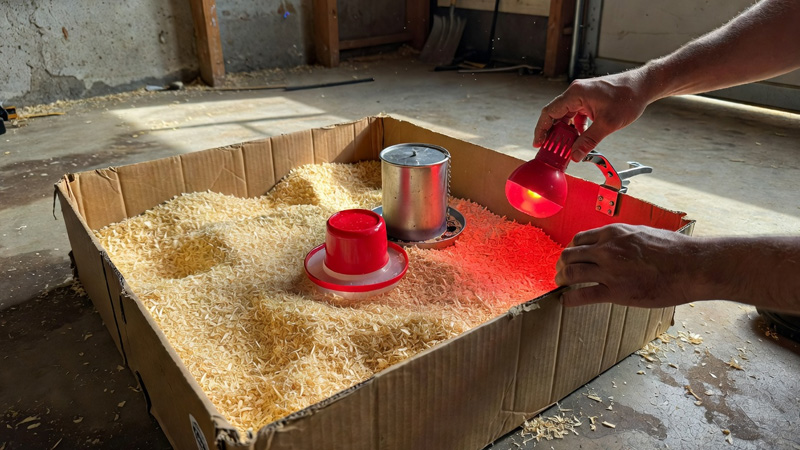
Bringing home baby chicks for the first time is exciting. Many new chicken keepers compare it to welcoming a new family member. At the same time, it’s normal to feel nervous. Chicks are tiny, delicate, and completely dependent on you during their first few weeks.
The good news is that most problems can be avoided with proper preparation. If everything is ready before the chicks arrive, you’ll have a much smoother experience and give them the best possible start in life.
Table of Contents
- Why Spring Is Often the Best Time to Order Baby Chicks
- Things to Prepare Before Your Baby Chicks Arrive
- 1. A Spacious Brooder Box
- 2. Safe and Comfortable Bedding
- 3. A Reliable Heat Source
- 4. Proper Brooder Temperature
- 5. Small Feeders and Quality Starter Feed
- 6. Safe Chick Waterers
- 7. A Chick First Aid Kit
- 8. A Spare Brooder
- Conclusion
Why Spring Is Often the Best Time to Order Baby Chicks
If you haven’t placed your order yet, spring is usually the most practical season to buy chicks. Young birds generally need around six weeks before they can safely join an existing flock, and warmer weather makes that transition easier.
1. More Chicken Breeds Are Available
Many hens lay eggs throughout the year, but egg production typically increases when daylight hours become longer. Since spring provides more natural daylight, hatcheries often have a wider selection of breeds available. This gives you more flexibility when choosing birds for eggs, meat, or backyard companionship.
2. Spring-Hatched Chicks Tend to Be Stronger
Cold weather can place additional stress on breeding hens. Because of this, chicks hatched during spring often come from healthier parent stock. Healthy chicks generally have a better start in life and may be less vulnerable to common poultry diseases.
3. Better Potential Winter Egg Production
Most hens begin laying eggs between four and eight months of age. Chicks hatched in spring usually reach laying age well before winter arrives. As a result, they may establish a steady laying pattern before cold weather slows production.
Things to Prepare Before Your Baby Chicks Arrive
No matter what time of year your chicks arrive, having the right equipment ready is essential. Double-check everything beforehand. A small issue with heat, food, or water can quickly become a serious problem for young chicks.
1. A Spacious Brooder Box
A brooder serves as the chicks’ temporary home during their first weeks. It should provide enough space for movement, feeding, and resting.
As a general guideline, each day-old chick should have about half a square foot of floor space. As they grow, their space requirements increase significantly. Crowding can lead to stress, pecking, and health issues.
You don’t need an expensive brooder. Many chicken keepers successfully use large cardboard boxes, plastic storage tubs, metal tubs, old aquariums, or kiddie pools. Whatever you choose, clean and disinfect it thoroughly before use. A wire cover on top helps protect chicks from pets and predators while allowing proper airflow.
2. Safe and Comfortable Bedding
Bedding helps keep chicks warm, dry, and comfortable. Slippery surfaces should be avoided because they can contribute to leg problems such as spraddle leg.
Pine shavings are one of the most popular bedding materials. Other suitable options include straw, hay, and coarse sand. Avoid cedar shavings, fine sawdust, and other dusty materials that may affect the chicks’ respiratory health.
Keep the bedding clean and dry. Replacing dirty bedding regularly reduces odors and helps maintain a healthier environment.
3. A Reliable Heat Source
Newly hatched chicks cannot regulate their body temperature effectively. They depend on an external heat source to stay warm.
Heat lamps remain a common option, although they must be secured properly to reduce fire hazards. Many poultry keepers now prefer brooder heating plates because they are safer and more energy efficient.
Regardless of the heating method, always keep backup equipment available in case something stops working unexpectedly.
4. Proper Brooder Temperature
Temperature management plays a major role in chick survival and growth.
For the first week, maintain a brooder temperature of about 95°F (35°C). Reduce the temperature by approximately 5°F each week until the chicks become fully feathered and capable of regulating their own body heat.
A thermometer provides accurate readings, but observing the chicks is equally important. Chicks that huddle together are often too cold, while chicks that stay far from the heat source may be too warm.
5. Small Feeders and Quality Starter Feed
Provide feed as soon as the chicks arrive. Chick starter feed contains the nutrients necessary for healthy growth and development.
Choose feeders designed for young chicks to minimize waste and prevent contamination. Avoid feeding treats, table scraps, or scratch grains during the first weeks.
Medicated vs. Non-Medicated Feed
Medicated chick starter contains Amprolium, which helps protect against coccidiosis. However, many hatcheries vaccinate chicks before shipping. Check with your hatchery before deciding which feed is most appropriate for your flock.
6. Safe Chick Waterers
Fresh, clean water should always be available. Chicks are often thirsty after transportation and need immediate access to water when they arrive.
Use shallow waterers designed specifically for chicks. Some keepers add clean pebbles during the first week to help prevent accidental drowning.
Inspect water containers frequently throughout the day and refill them as needed.
7. A Chick First Aid Kit
Preparing a basic first aid kit can save valuable time when emergencies occur.
- Electrolyte supplements
- Probiotics
- Paper towels
- Cotton swabs
- Small scissors or tweezers
- Droppers for weak chicks
- Poultry-safe wound care products
One common condition among shipped chicks is pasty butt, where droppings stick around the vent area. Early treatment with warm water and gentle cleaning usually resolves the issue.
8. A Spare Brooder
A second brooder can be extremely useful if a chick becomes ill or injured. Isolating affected birds allows for closer monitoring and may help prevent disease from spreading.
The spare brooder should include bedding, a heat source, food, and water so it is ready whenever needed.
Conclusion
Preparing for baby chicks requires more than simply buying feed and bringing them home. A proper brooder, reliable heat source, clean bedding, fresh water, quality feed, and emergency supplies all contribute to healthy chick development.
With careful planning and daily attention, your chicks can grow into strong, productive chickens that thrive for years to come.

