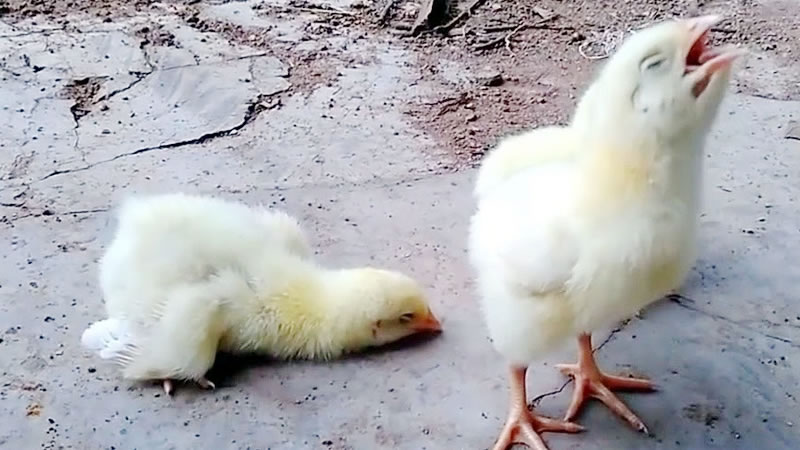
Bumblefoot in chickens (scientific name: ulcerative pododermatitis) is a bacterial foot infection that causes inflammation in poultry and can affect chickens, ducks, quails, and other domestic birds. It is most commonly seen in backyard chickens and commercial flocks where foot injuries are frequent.
This condition is primarily caused by Staphylococcus bacteria, which enter the body through small cuts, wounds, or abrasions on the chicken’s foot. If left untreated, bumblefoot can lead to severe infection, permanent lameness, and in extreme cases, death.
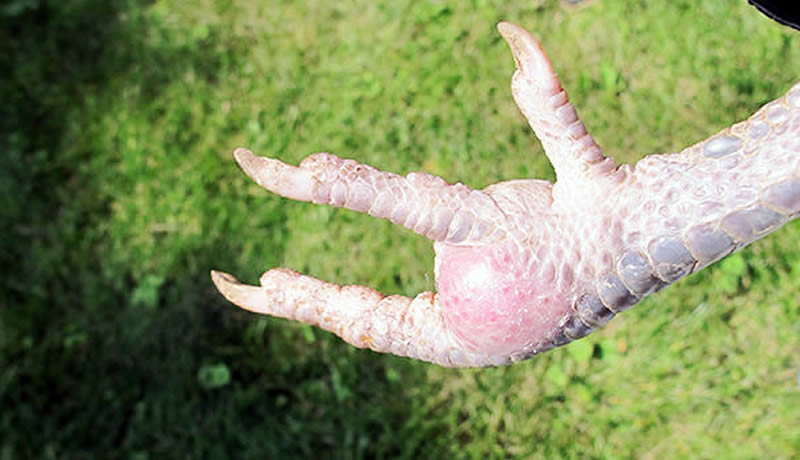
Bumblefoot is also referred to as plantar pododermatitis. Early signs often appear as a small red or swollen area on the bottom of the foot. As the infection progresses, a hard scab or lesion forms, making it painful for the chicken to walk.
Common signs of bumblefoot include limping, reluctance to move, swelling in the footpad, and difficulty perching or landing.
Several factors can contribute to the development of bumblefoot, including jumping from high perches, rough or dirty flooring, obesity, and repeated foot trauma. Fighting between chickens may also increase the risk of injury and infection.
Table of Contents
Symptoms of Bumblefoot in Chickens
- Limping or uneven walking
- Swollen or red footpad
- Black or brown scab on the foot
- Loss of appetite in severe cases
- Reluctance to perch or move
Treatment for Bumblefoot in Chickens
Treatment depends on the severity of the infection. Mild cases may be managed at home using antiseptic cleaning, topical treatments, and bandaging. Essential oils and antibacterial ointments may also help reduce inflammation.
In moderate cases, the scab may need to be carefully removed and the wound cleaned thoroughly before applying antibiotics prescribed for poultry use.
Severe cases of bumblefoot may require veterinary intervention, including surgical removal of infected tissue. In extreme situations, amputation may be necessary to prevent the infection from spreading.
How to Prevent Bumblefoot in Chickens
Prevention is the most effective strategy for controlling bumblefoot in poultry flocks. Proper housing design, hygiene, and flock management significantly reduce the risk of infection.
- Use low and safe perches (preferably under 18 inches in height)
- Avoid rough, sharp, or splintered roosting materials
- Maintain clean and dry coop flooring
- Reduce overcrowding to prevent fighting and injuries
- Provide a balanced diet to prevent obesity-related foot pressure
Regular inspection of your chickens’ feet is essential. Early detection allows for faster treatment and prevents the infection from progressing into a severe condition.
Conclusion
Bumblefoot is a preventable but serious bacterial infection that affects chicken foot health. With proper coop maintenance, safe perching structures, good nutrition, and routine health checks, you can significantly reduce the risk and keep your flock healthy and mobile.