If you are a beginner in raising chickens, you may already have a basic idea of what chickens eat. However, many poultry keepers still struggle with one key question: what should laying hens actually be fed for optimal health and egg production?
The answer does not depend only on breed, but more importantly on age, production stage, and nutritional requirements. Understanding this helps you build a balanced feeding system for your flock.
Table of Contents
What Do Chickens Eat Naturally?
Chickens are omnivores and opportunistic feeders. They naturally eat a wide variety of foods including insects, worms, seeds, grasses, and even small stones. You will often see them scratching the soil and pecking the ground in search of food.
Although chickens are relatively independent and can forage for food, they are not capable of identifying a fully balanced diet on their own. That is why proper feeding management is essential for maintaining their health and productivity.
What Should You Feed Laying Hens?
Laying hens require a carefully balanced diet to support consistent egg production. Proper nutrition should begin at the chick stage and continue through adulthood.
Newly hatched chicks can survive up to 48 hours using nutrients stored from the egg yolk. After this period, they should be introduced to a starter feed with high protein content to support early growth.
As hens mature and begin laying eggs, their nutritional needs change significantly. At this stage, they require:
- High-quality layer feed (balanced protein and energy)
- Calcium for strong eggshell formation
- Vitamins and minerals for overall health
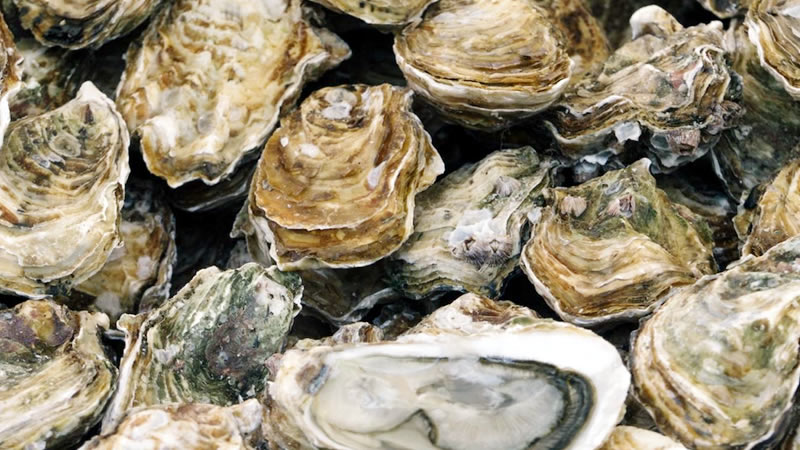
One of the most important minerals for laying hens is calcium. The best natural source is oyster shell, which contains a high concentration of calcium carbonate.
Other calcium sources include limestone, leafy greens, seaweed, and yogurt. However, excess calcium can lead to kidney stress and other health issues, so supplementation should only be provided when needed.
Signs of calcium deficiency in laying hens include:
- Soft or thin eggshells
- Reduced egg production
- Weakness or lethargy
Can Laying Hens Eat Chicken Scratch and Treats?
Yes, laying hens can eat chicken scratch and treats, but only in moderation. These should not replace a balanced diet.
Healthy treat options include:
- Leafy greens (kale, lettuce, spinach)
- Broccoli
- Bananas
- Mealworms (occasional protein supplement)
Foods that should be avoided include avocado skins, apple seeds, and raw chicken meat, as these may be toxic or harmful to chickens.
Treats should make up no more than 10% of the daily diet to ensure nutritional balance and prevent deficiencies.
Is Chicken Grit Part of the Diet?
Chicken grit is not a food source but plays an essential role in digestion. Chickens do not have teeth, so they rely on grit to help grind food in the gizzard, a muscular part of their digestive system.
There are two main types of grit: insoluble grit (stones and gravel) for grinding food, and soluble grit (such as oyster shell) for calcium supplementation.
Conclusion
Understanding what laying hens eat is essential for maintaining a healthy and productive flock. A balanced diet that includes high-quality feed, proper calcium supplementation, and controlled treats will ensure strong egg production and overall flock health.