
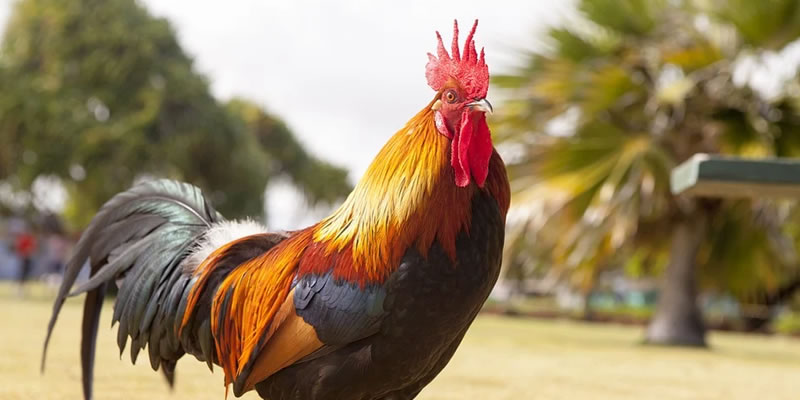
A rooster does not lay eggs, which leads many poultry keepers to assume it has no value in a backyard flock. However, a rooster plays several important roles that can significantly improve flock productivity, breeding potential, and overall protection. Understanding its purpose helps you decide whether adding a rooster is right for your setup.
In this guide, you will learn the real benefits of keeping a rooster, including breeding, flock protection, and long-term sustainability. You will also understand the practical considerations before introducing one to your chickens.
Table of Contents
What is the Role of a Rooster in a Chicken Flock?
A rooster is the male chicken responsible for fertilizing eggs. While hens are responsible for egg production, a rooster ensures those eggs can develop into chicks. This is essential if you want to expand your flock naturally without relying on incubators or purchased chicks.
With a rooster present, fertilized eggs can hatch into chicks that may later be raised as egg-laying hens, meat birds, or dual-purpose chickens. This makes roosters valuable for long-term flock growth and sustainability.
Rooster Benefits in Poultry Keeping
1. Natural Flock Breeding
A rooster enables natural reproduction within your flock. This reduces dependency on external chick sources and allows you to expand your flock organically over time.
2. Protection Against Predators
Roosters are naturally alert and territorial. They often act as flock protectors by warning hens of danger and confronting small predators. This behavior helps improve overall flock safety, especially in free-range environments.
3. Social Structure and Flock Stability
A rooster helps maintain order within the flock. It establishes hierarchy, reduces chaos during feeding, and guides hens during movement and foraging. This can lead to a more organized and stable chicken environment.
4. Meat Source (Optional Benefit)
In backyard poultry systems, roosters can also be used as a source of meat when they are no longer needed for breeding. This makes them a practical dual-purpose asset in small-scale farming setups.
Are Roosters Always Necessary?
A rooster is not required if your goal is only egg production for consumption. Hens will still lay eggs without a rooster, but those eggs will not be fertilized. This means they cannot hatch into chicks.
If you are focused on continuous egg supply without breeding, a rooster may not be essential. However, if you plan to grow your flock naturally, its presence becomes highly beneficial.
Considerations Before Adding a Rooster
- Roosters can be noisy, especially in urban areas.
- Some roosters may become aggressive depending on breed and handling.
- You need enough space to maintain flock balance.
- Not all hens require a rooster for egg production.
Conclusion
A rooster is more than just a male chicken in a flock. While it does not contribute directly to egg production, it plays a key role in fertilization, flock protection, and natural breeding. Whether or not you need one depends on your poultry goals, space, and management style.
For backyard chicken keepers aiming for self-sustaining flocks, a rooster can be a valuable addition. However, for simple egg production systems, hens alone are sufficient.

