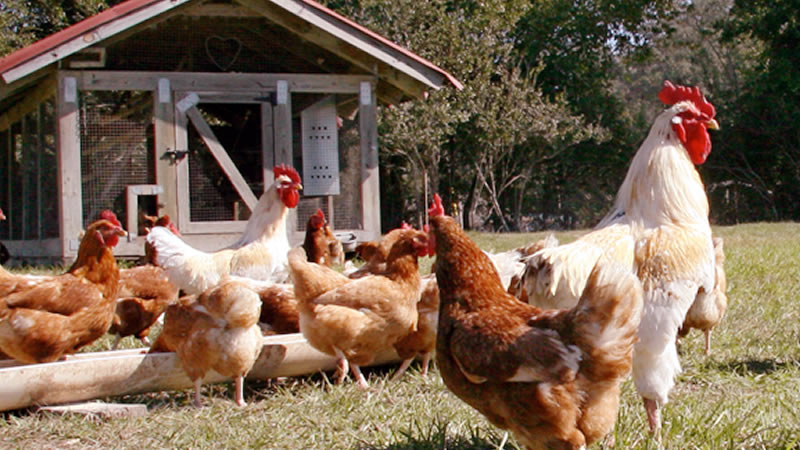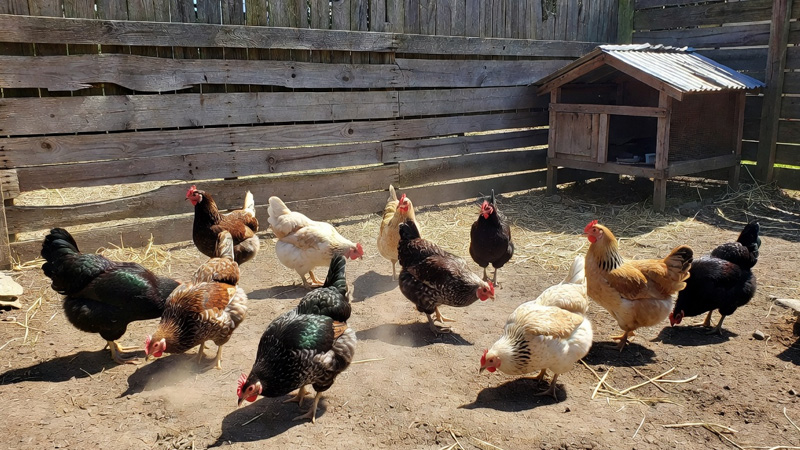
If you are planning to raise chickens, one of the first questions you will probably ask is simple: how much space do chickens need?
It sounds easy enough to answer. You can search online, ask another chicken keeper, or follow a standard measurement guide. But the better question is this: why do chickens need that amount of space in the first place?
Chickens do not only need space to stand around. They need room to eat, drink, sleep, scratch, dust bathe, lay eggs, escape bullying, and behave like normal chickens.
When space is too limited, problems appear quickly. Stress, fighting, disease, poor egg production, and dirty living conditions can all become part of your daily routine.
This guide explains the main factors that affect chicken space requirements and how beginners can plan a better coop and run setup from the start.
Table of Contents
- Why Chicken Space Requirements Matter
- 1. Consider the Size of Your Chickens
- 2. How Much Coop Space Do Chickens Need?
- 3. Roosting Space Inside the Coop
- 4. How Much Outdoor Run Space Do Chickens Need?
- 5. Space and the Pecking Order
- 6. Breed Temperament Affects Space Needs
- 7. How Many Nesting Boxes Do Chickens Need?
- 8. Broody Hens Need Extra Space
- 9. Weather Affects Space Requirements
- What Happens When Chickens Do Not Have Enough Space?
- How to Save Space Without Hurting Chicken Welfare
- Conclusion
Why Chicken Space Requirements Matter
Space affects almost every part of chicken health and behavior.
A flock with enough room is usually calmer, cleaner, and easier to manage. Chickens can move naturally, avoid aggressive flock mates, and access feeders or waterers without constant competition.
On the other hand, overcrowded chickens become stressed. And when stress builds up, egg production can drop, bullying can increase, and diseases can spread more easily.
That is why space should never be treated as an afterthought.
1. Consider the Size of Your Chickens
Chicken size is one of the biggest factors when planning space.
In general, chickens fall into three size categories:
- Large chicken breeds
- Medium-sized chicken breeds
- Bantam chickens
Larger breeds naturally need more room because they have bigger bodies, longer wings, and heavier movement. Bantams need less space, but they still need enough room to stay active and healthy.
As a rough outdoor space guide:
- Large breeds may need around 8 square feet per chicken
- Medium breeds may need around 4 square feet per chicken
- Bantams may need around 2 square feet per chicken
These numbers are useful starting points, but they should not be treated as the final answer for every flock.
Breed temperament, weather, flock size, and management style can all increase the amount of space your chickens actually need.
2. How Much Coop Space Do Chickens Need?
A chicken coop is the main house of your flock. It is where chickens sleep, shelter from bad weather, eat, drink, and sometimes lay eggs.
The coop must be large enough for the chickens and all important equipment inside it.
This includes:
- Feeders
- Waterers
- Roosting bars
- Nesting boxes
- Walking space
For medium-sized chickens, a common guideline is around 4 square feet per bird inside the coop. That means six chickens would need at least 24 square feet of coop area.
But that is only the minimum.
If your chickens will spend long hours inside the coop during winter or bad weather, giving them extra room is much better.
3. Roosting Space Inside the Coop
Chickens naturally prefer sleeping on roosting bars instead of sleeping on the ground.
Roosts should be high enough to make chickens feel secure, but not so high that heavy breeds injure themselves when jumping down.
A good rule is to provide around 12 inches of roosting space per chicken.
Some calm breeds can share roosting space peacefully, while more territorial birds may need extra room to avoid nighttime pecking.
Try not to place feeders, waterers, or nesting boxes directly under roosting bars because chickens poop a lot while sleeping.
If space is limited, use a droppings board or poop hammock beneath the roost. This makes cleaning easier and helps keep the coop more hygienic.
4. How Much Outdoor Run Space Do Chickens Need?
The chicken run is the enclosed outdoor area where your flock can walk, scratch, forage, and enjoy fresh air safely.
Chickens are active animals. They love digging soil, chasing insects, eating weeds, and exploring new corners of the yard.
As a general rule, the outside run should be at least double the coop space.
For medium-sized chickens, aim for at least 8 square feet per bird in the run. More is always better, especially if your flock will not be fully free-range.
A small run quickly becomes bare, muddy, smelly, and stressful. A larger run gives chickens more chances to behave naturally and stay healthier.
5. Space and the Pecking Order
The pecking order is the social ranking system inside a flock.
Every flock has dominant birds and lower-ranking birds. Some pecking is normal because chickens use it to establish status.
However, lack of space can make the pecking order much more aggressive.
If weaker chickens cannot escape from dominant birds, bullying becomes a serious issue. This is especially common when new chickens are introduced to an existing flock.
Extra space gives lower-ranking chickens room to move away, eat safely, and avoid repeated attacks.
6. Breed Temperament Affects Space Needs
Not all chicken breeds behave the same way.
Some breeds are calm and friendly, while others are more aggressive, territorial, or highly active.
Breeds known for being more assertive may need more space to avoid conflicts. Meanwhile, gentle breeds may tolerate closer living conditions better, although they still should not be overcrowded.
Before mixing different breeds, learn their usual temperament first.
For example, large friendly breeds such as Brahmas, Cochins, and Jersey Giants are usually easier to manage in mixed flocks. More aggressive or game-type breeds may require separate housing or larger areas.
7. How Many Nesting Boxes Do Chickens Need?
Nesting boxes are where hens lay eggs.
They should be placed in a quiet, dark, safe area where hens feel comfortable and protected.
A standard nesting box should be around 12 x 12 inches for most regular-sized hens.
You do not need one nesting box for every hen. In most cases, one nesting box for every 4 to 6 laying hens is enough.
Too many nesting boxes can create another problem. Some hens may sleep and poop inside unused boxes, making eggs dirty and increasing the chance of broken shells.
8. Broody Hens Need Extra Space
A broody hen is a hen that wants to sit on eggs until they hatch.
Broodiness is natural and can be very useful if you want chicks without using an incubator.
However, broody hens often become protective and aggressive around the nest.
They may peck your hand, chase other hens away, or block nesting boxes for long periods.
If you have a broody hen, giving her a separate nesting area can prevent fights and reduce stress for the rest of the flock.
9. Weather Affects Space Requirements
Your local climate should also influence how much space you provide.
During winter, chickens may spend much more time inside the coop. If the coop is too small, boredom and bullying can increase quickly.
Cold-hardy breeds may handle winter well, but chickens with large combs or feathered legs may be more prone to frostbite and may need extra protection.
During summer, chickens need enough outdoor space, shade, airflow, and dust bathing areas.
A dust bath should be large enough for birds to roll, scratch, and cover their feathers with dry soil or sand. A space around 15 x 24 inches and about 12 inches deep works well for many backyard flocks.
What Happens When Chickens Do Not Have Enough Space?
Overcrowding affects chickens more seriously than many beginners expect.
At first, the problem may look small. Maybe one hen gets chased away from the feeder, or the coop smells worse than usual.
But over time, lack of space can cause real damage.
Chicken Bullying Becomes More Common
Overcrowded chickens have fewer ways to escape conflict.
Dominant birds may repeatedly peck weaker birds, block them from food, or attack them near roosts and nesting boxes.
Once bullying becomes a habit, it can be hard to stop.
Disease Risk Increases
Cramped spaces become dirty faster.
Droppings build up, bedding stays wet, and feeders or waterers may become contaminated more often.
These conditions increase the risk of diseases such as coccidiosis, salmonellosis, and other infections.
Good space management makes cleaning easier and helps keep the flock healthier.
Egg Production Can Drop
Stressed hens often lay fewer eggs.
When hens feel crowded, unsafe, bullied, or uncomfortable, their bodies may slow down or stop egg production temporarily.
Some hens may also begin laying eggs in hidden places if nesting boxes are overcrowded or stressful.
How to Save Space Without Hurting Chicken Welfare
Not everyone has a huge backyard, and that is understandable.
The goal is not always to build the biggest coop possible. Sometimes, the goal is to use space smarter.
1. Use a Vertical Chicken Coop
A vertical coop places the chicken house above the run instead of beside it.
This setup saves ground space while still giving chickens access to an outdoor area below.
You can add a secure ladder or ramp so chickens can move between the coop and run easily.
Just make sure the structure is strong, predator-proof, and easy to clean.
2. Use Hanging or Gravity Feeders
Trough feeders can take up a lot of space and create mess.
Hanging feeders or gravity feeders are often better for small coops because they reduce waste and keep feed cleaner.
PVC gravity feeders are also popular among DIY chicken keepers.
Just be careful with wet feed because it can clog the feeder and spoil quickly.
3. Install a Droppings Board or Poop Hammock
Since chickens poop while roosting, the area under roosting bars can become dirty fast.
A droppings board or poop hammock catches manure before it spreads through the bedding.
This helps keep the coop cleaner and allows you to use nearby space more efficiently.
4. Raise Bantam Chickens
Bantam chickens are smaller than standard breeds and need less space.
They are a good option for people with limited backyard areas.
However, bantams also have tradeoffs. They lay smaller eggs and are usually not ideal for meat production.
Some popular bantam choices include bantam Brahmas, bantam Leghorns, and other small backyard-friendly varieties.
Conclusion
Chicken space requirements are not just about measurements. They are about comfort, safety, health, and natural behavior.
The minimum numbers can help you start planning, but they should not be your final limit. In chicken keeping, more space almost always means fewer problems.
A roomy coop and run reduce bullying, improve sanitation, support better egg production, and make daily management easier for you.
Before building your setup, think about breed size, flock temperament, nesting boxes, roosts, weather, and your future plans.
After all, many chicken keepers eventually add more birds. Starting with extra space now can save you time, money, and frustration later.