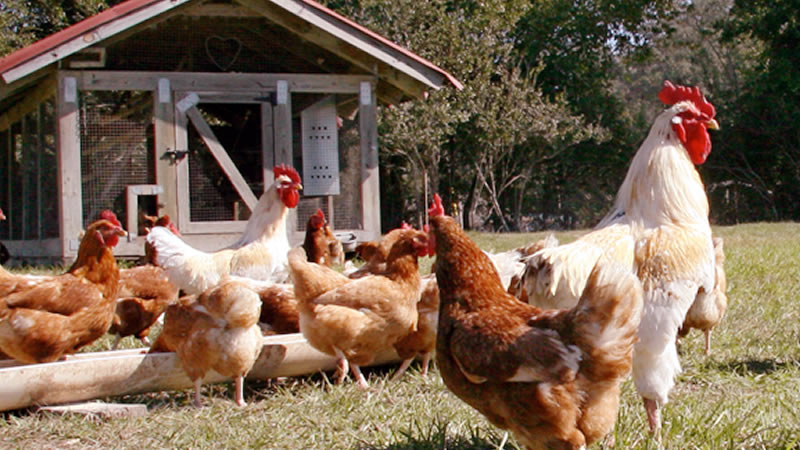
Egg eating in chickens is a serious behavioral problem in backyard poultry farming. Chickens are omnivores, meaning they will eat almost anything available—including their own eggs if the habit develops. Once this behavior starts, it can quickly spread within the flock and become difficult to control. Understanding the causes and applying the right prevention methods is essential to protect your egg production and maintain a healthy flock.
Table of Contents
Why Do Chickens Eat Their Eggs?
Egg-eating behavior in chickens is usually triggered by environmental, nutritional, or behavioral factors. One of the most common causes is calcium deficiency. Since eggshells are rich in calcium, hens may instinctively consume broken eggs to replenish their mineral needs.
Another frequent cause is accidental egg breakage. When eggs crack inside a cramped or overcrowded coop, chickens may discover the taste and begin associating eggs with food. Once this association is formed, the behavior can spread quickly to other hens.
Boredom and stress also play a significant role. Chickens that lack stimulation or space may develop destructive habits, including pecking and eating eggs. Poor nesting conditions and insufficient laying boxes further increase the risk.
How to Stop Chickens from Eating Their Eggs
The most effective strategy is prevention—stopping eggs from breaking and ensuring hens do not develop access to cracked shells. Once the habit starts, breaking it requires consistency and environmental correction.
1. Collect Eggs Frequently
Collect eggs at least twice daily. Frequent collection reduces the chances of egg breakage and prevents hens from discovering and pecking at exposed eggs.
2. Improve Nesting Box Design
Provide enough nesting boxes to reduce competition. A recommended ratio is one nesting box for every four hens. Comfortable, dark, and secure nesting areas encourage hens to lay eggs safely without stress or crowding.
3. Increase Calcium Intake
Ensure hens receive adequate calcium by supplementing their diet with crushed oyster shells or calcium-rich feed. Strong eggshells are less likely to crack, reducing the opportunity for egg eating behavior to begin.
4. Maintain Clean and Dry Bedding
Dirty or poorly maintained nesting areas increase egg breakage. Regular cleaning and proper bedding help protect eggs and discourage unwanted pecking behavior.
5. Reduce Visibility of Eggs
Dim lighting or covered nesting boxes can reduce egg visibility. Chickens are less likely to peck at eggs they cannot clearly see.
6. Use Fake or Dummy Eggs
Placing fake eggs or golf balls in nesting boxes can discourage egg pecking. When hens repeatedly peck at hard objects without reward, they often lose interest in eggs.
7. Prevent Overcrowding
Overcrowding increases stress, competition, and egg damage. Ensure adequate space for movement and nesting to maintain calm flock behavior.
Egg Production and Why This Problem Matters
A healthy laying hen typically reaches peak production around 33 weeks of age. During this stage, each hen may produce an average of up to 216 eggs per year under proper conditions.
For a flock of 15 productive hens, this can translate into approximately 9 eggs per day. However, if egg-eating behavior develops, a significant portion of this production can be lost daily, directly affecting farm efficiency and profitability.
Preventing egg eating is therefore not only about behavior correction—it is a critical part of maintaining consistent egg yield and maximizing flock performance.
Conclusion
Stopping chickens from eating their eggs requires a combination of proper nutrition, good housing design, frequent egg collection, and behavioral management. Once the root cause is identified and corrected, most flocks can return to normal laying behavior. Consistent management is key to preventing recurrence and protecting your egg production.