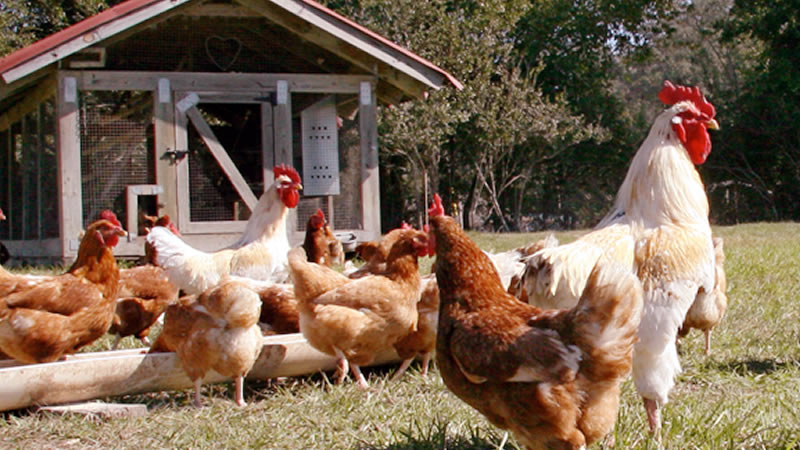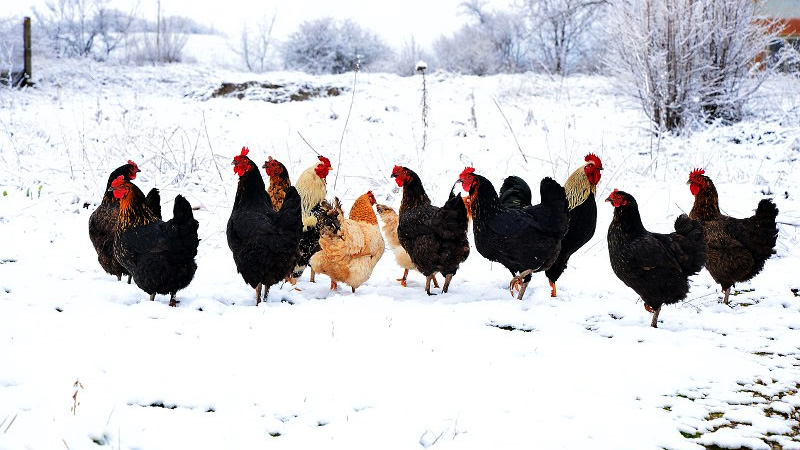
Taking care of chickens in winter is essential for maintaining flock health, egg production, and overall survival during cold weather conditions. While chickens are naturally resilient to low temperatures, they still require proper shelter, nutrition, and protection from harsh winter elements.
This complete guide explains how to care for chickens in winter, including coop preparation, feeding strategies, and frostbite prevention techniques.
Table of Contents
1. Provide Proper Winter Chicken Shelter
A well-designed chicken coop is the most important factor in winter care. Chickens need a dry, draft-protected, and insulated environment to stay warm during cold nights.
- Ensure the coop is well-insulated
- Prevent drafts while maintaining ventilation
- Keep bedding dry and clean (straw or wood shavings)
- Elevate roosting areas away from cold floors
Avoid excessive sealing of the coop, as proper airflow is necessary to prevent moisture buildup, which can lead to respiratory issues and frostbite.
2. Winter Feeding and Nutrition for Chickens
During winter, chickens are less active but require more energy to maintain body heat. A high-quality, nutrient-rich diet is essential.
- Provide consistent access to balanced feed
- Increase calorie-rich grains (corn, wheat, oats)
- Ensure clean, unfrozen water at all times
- Consider calcium supplements for laying hens
Warm water and slightly increased feed portions help chickens maintain energy levels during colder months.
3. Protect Chickens from Cold Weather Elements
Even though chickens tolerate cold temperatures, exposure to wind, rain, and snow can significantly impact their health.
- Position the coop away from strong winds
- Add windbreaks or barriers around the coop
- Keep outdoor runs covered when possible
- Ensure dry ground conditions to prevent chilling
Dryness is more important than heat—wet feathers combined with cold air can quickly lead to hypothermia in chickens.
4. Prevent Frostbite in Chickens
Frostbite is a common winter problem, especially on combs, wattles, and toes. Regular monitoring is essential during freezing temperatures.
- Check combs and wattles regularly
- Apply protective ointments if necessary
- Ensure proper ventilation to reduce humidity
- Avoid moisture buildup inside the coop
5. Maintain Clean and Dry Bedding
Clean bedding plays a major role in winter chicken health. Wet bedding increases the risk of disease and cold stress.
- Replace wet bedding immediately
- Use deep litter method for added insulation
- Keep nesting boxes clean and dry
6. Ensure Access to Unfrozen Water
Water can freeze quickly in winter, so it is important to provide a reliable source of drinking water at all times.
- Use heated waterers if available
- Check water multiple times per day
- Prevent ice buildup in containers
Conclusion
Winter chicken care requires proper shelter, nutrition, and protection from harsh weather conditions. By maintaining a warm, dry coop, providing adequate feed and water, and monitoring for frostbite, you can ensure your flock stays healthy and productive throughout the cold season.